REVIEW · YOKOHAMA
Yokohama Ramen Adventure From a Local Noodle Factory to Home
Book on Viator →Operated by Akiko · Bookable on Viator
Ramen you shape with your own hands. I love the hands-on noodle-making at a family factory with three generations of makers, and I also love the cozy home dinner where you cook and eat together. One watch-out: there are two Toy Poodle dogs in the house, so dog allergies are a real concern.
At $165.13 per person for about 5 hours, this is not a quick street-food stop. You’re paying for time: time with the makers, time to make noodles, and time to sit down to a full meal that goes beyond tasting and actually teaches you how it’s built.
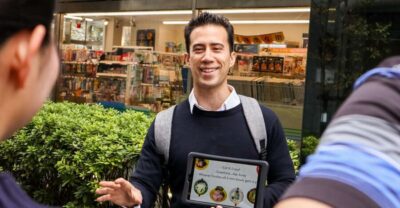
You’ll start near Kikuna Station and the day is timed for late-afternoon to evening. If you like food experiences that feel local and personal, this one has the right rhythm: maker in the factory, then cook at home, then eat what you made.
In This Review
- Key Highlights You’ll Actually Care About
- From Kikuna’s Noodle Factory to Your Cutting Blade
- Three Generations, One Table: How Your Custom Noodles Work
- Akiko’s Home Dinner: Sardine Salad, Gyoza, Chashu Ramen, Matcha
- The Plum Sake Toast and Why This Meal Feels Like Local Hosting
- Timing, Meeting Point, and Small-Group Pace
- Diet Requests and the Toy Poodle Factor
- Price and Value: What You’re Paying For at $165.13
- Who Should Book This Yokohama Ramen Adventure
- Should You Book the Yokohama Ramen Adventure?
- FAQ
- How long is the Yokohama Ramen Adventure?
- What time does the tour start, and where do I meet?
- Is transportation or hotel pickup included?
- What dinner and drinks are included?
- Can I request a vegetarian, vegan, or pescatarian menu?
- How many people are in the group?
- Is this experience suitable if I have a dog allergy?
- What happens if I cancel?
Key Highlights You’ll Actually Care About
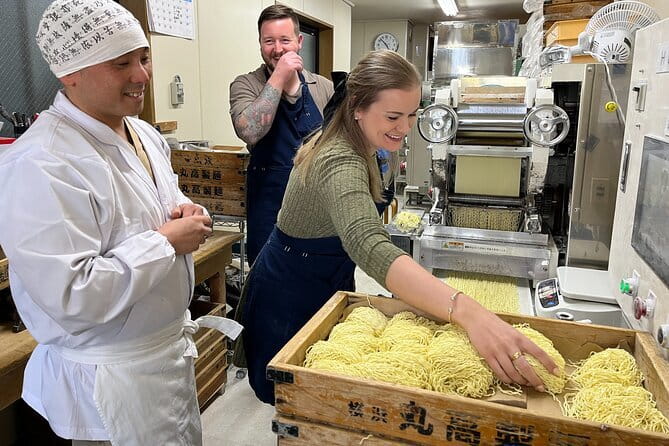
- Make custom ramen noodles by choosing dough and cutting blades, so texture is part of the design
- Three generations of ramen know-how led by Taka at the family noodle factory
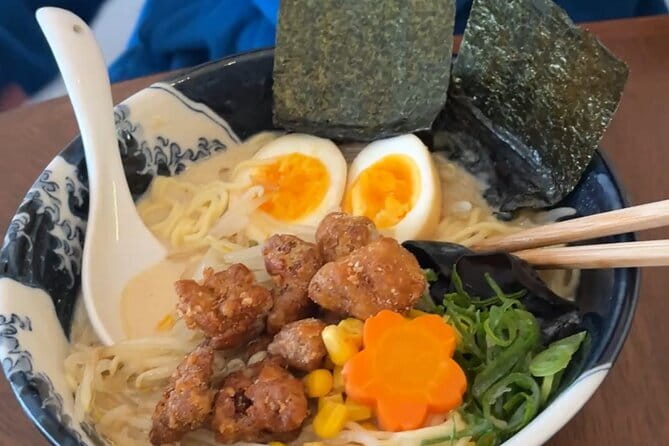
- Cook a full Japanese dinner at Akiko’s home: sardine-and-tofu salad, gyoza, ramen with chashu and a soft-boiled egg, plus matcha dessert
- Pre-prepared chashu means you focus on the dishes you’re learning rather than one long, complicated step
- Small group experience capped at a maximum of 5 travelers for a calmer pace
- Sparkling plum sake toast before the meal, with a non-alcoholic drink available too
From Kikuna’s Noodle Factory to Your Cutting Blade
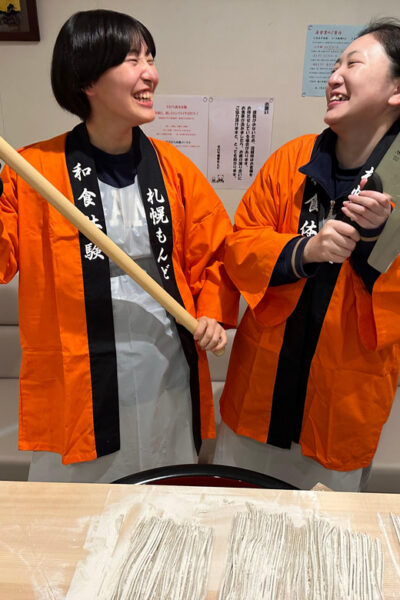
This starts where you’d want any good ramen lesson to start: at a real noodle factory, run by a small family business with a long track record. The meeting point is in Kikuna (near public transportation), and the session begins at 4:00 pm. From there, you get that rare feeling that you’re not just “doing ramen,” you’re learning a craft.
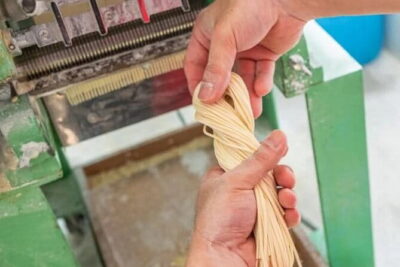
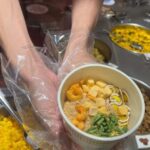
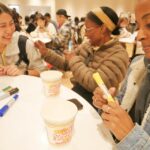
The first phase is guided and practical. You’ll learn how ramen noodles are made and how different choices affect the final result. Then comes the fun part: you create your own custom noodle. You don’t just pick something off a menu. You choose from different dough options and cutting blades, and those choices shape the noodle style.
The coolest part for me is that the instruction is tied to real technique, not vague “it tastes better” talk. The staff focus on what’s happening in the process and why it matters, and you can feel the maker mindset behind it.
You can also read our reviews of more tours and experiences in Yokohama.
Three Generations, One Table: How Your Custom Noodles Work
Ramen can feel mysterious until someone breaks it down in plain terms. Here, the guidance comes from Taka, who shares the history and the techniques of ramen noodle making. The key benefit for you is that you learn the thinking, not just the outcome.
Your noodle gets shaped through two main decisions:
- choosing the dough type
- choosing the cutting blade
Those sound simple, but they’re the heart of why noodles change from bowl to bowl. The thickness and shape influence how the noodles hold broth, how they feel when you bite, and how they behave as they cook. That’s what you’re training your eye for during the lesson.
You’ll also pick up context about ramen—where the craft comes from and how makers develop consistency. It’s the kind of background that helps you order better bowls later, because you’ll start noticing noodle differences right away.
One more practical detail: after the factory portion, you head to Akiko’s home cooking session. The day stays structured, so you won’t feel like you’re bouncing between unrelated steps.
Akiko’s Home Dinner: Sardine Salad, Gyoza, Chashu Ramen, Matcha
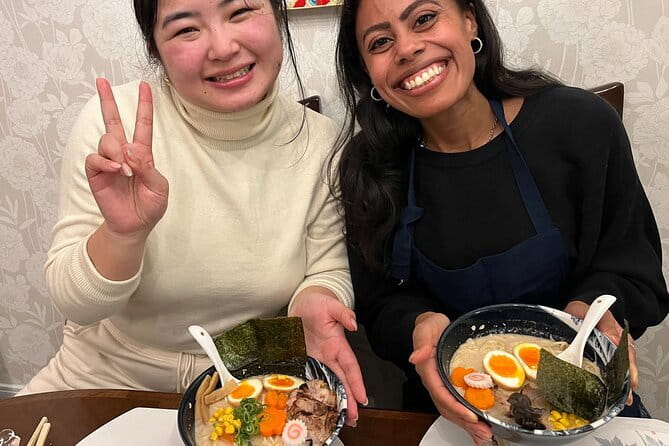
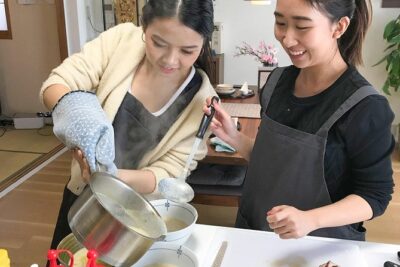
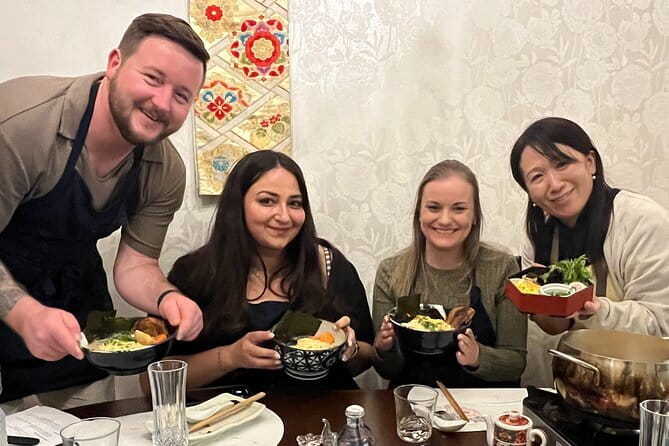
The second half is at a welcoming home setting where you do the cooking and then sit down to eat what you made. This is where the experience becomes more than a class. It becomes a shared meal with Japanese home cooking at the center.
Here’s what you’ll prepare and enjoy:
- a salad with crispy sardines and tofu
- handmade gyoza
- ramen topped with tender chashu and a soft-boiled egg
- a matcha dessert
A smart piece of planning is that the chashu is pre-prepared, so you’re not spending the whole evening wrestling with one slow step. That keeps the experience focused on the dishes you’re learning and still lets you taste the result.
The gyoza and salad are especially valuable for you if you want to recreate the meal later. They teach you practical textures—crispness, chew, and how to balance ingredients—rather than only boiling noodles and calling it dinner.
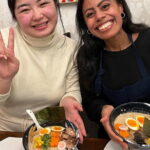
And yes, you eat together. You’ll gather around the dining table and the vibe is relaxed, with a host atmosphere that makes it feel less like a restaurant and more like being welcomed into a kitchen.
The Plum Sake Toast and Why This Meal Feels Like Local Hosting
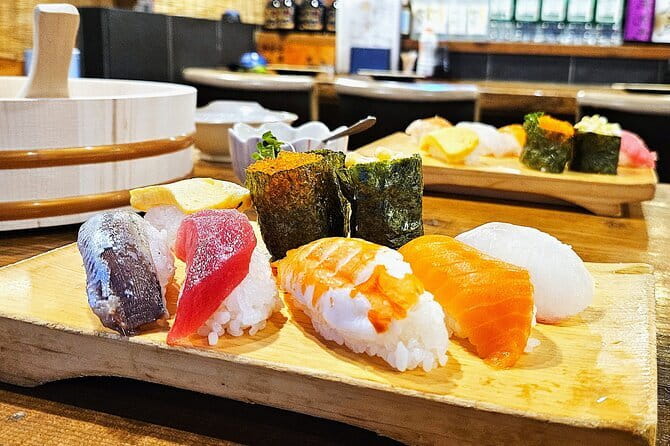
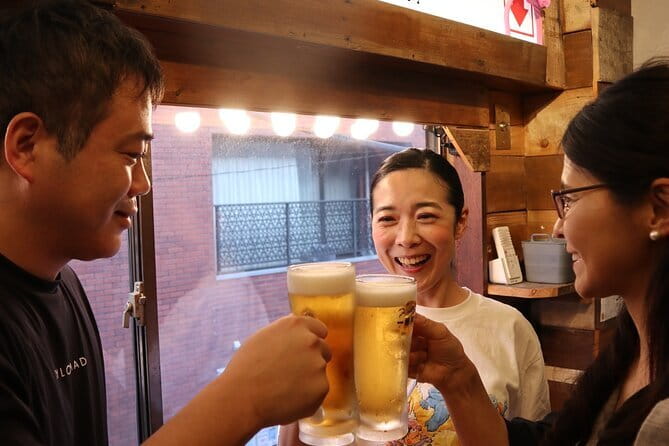
Before the meal, there’s a celebratory toast with sparkling plum sake. If you prefer not to drink alcohol, there’s a non-alcoholic option available too. Either way, the moment adds a little ceremony to what could otherwise be a standard cooking class.
This is more than a drink. It sets the tone for how you’re supposed to experience the home portion: talk, share, eat, and treat the evening like a proper meal, not a timed performance.
The experience also includes bottled water, which is helpful to keep you comfortable while you cook and taste. Small details like that matter when you’re in a real kitchen environment and not just watching from the sidelines.
I like this structure for couples and friends because it gives you shared moments: making noodles, cooking together, then clinking glasses and eating as a group.
Timing, Meeting Point, and Small-Group Pace
This runs for about 5 hours and starts at 4:00 pm. That timing works well because you avoid a rushed lunch crowd and you’re set up for dinner without having to find food afterward.
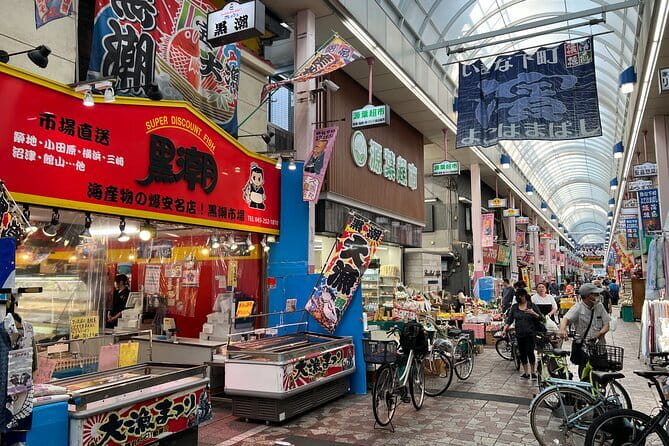
You meet at Kikuna Station (address: 7-chōme-1-1 Kikuna, Kohoku Ward, Yokohama). The tour ends back at the meeting point. No hotel pickup, and private transportation isn’t included, so you’ll want to plan to arrive using public transit.
Group size is a big deal here. It’s designed as an exclusively small group, with a maximum of 5 travelers (and described as up to 6 participants). In practice, that smaller cap is what makes it possible to give you hands-on attention during the noodle-making choices and the cooking steps.
Also note the format includes a mobile ticket. That’s one less thing to worry about when you’re navigating Yokohama.

Diet Requests and the Toy Poodle Factor
If you have specific dietary needs, this is one of the better structured parts of the experience. Pescatarian, vegan, and vegetarian options are available, and you just need to inform the operator at least three days in advance. That’s enough lead time for a cook to plan ingredients.
You should also plan around the home environment. The house has two Toy Poodles, and the experience may not be suitable if you have dog allergies. This isn’t a minor detail. It can affect comfort in a way that ruins an otherwise great evening, so take it seriously.
If you’re traveling with kids, the small-group, home-based structure can work well because it’s hands-on and social. Still, the experience lasts about five hours, so bring snacks if your child needs a break—nothing about that is listed as included, so it’s smart to plan for real life.
Price and Value: What You’re Paying For at $165.13
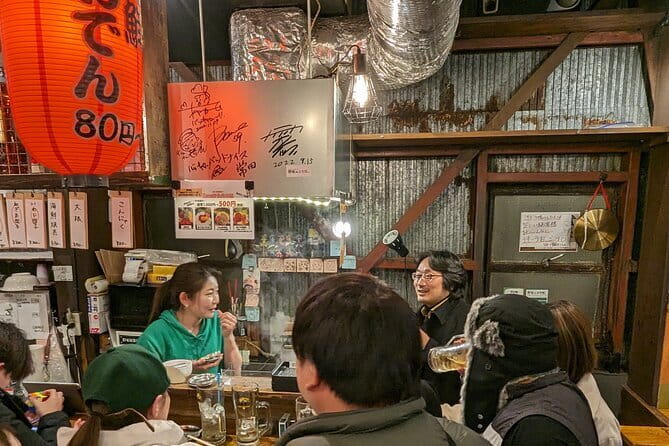
Let’s talk money in a realistic way. At $165.13 per person, you might wonder if this is just “a ramen cooking class.” It isn’t. You’re buying three big things:
1) Direct access to a real noodle factory
You’re learning noodle-making choices at a family business with multi-generation expertise.
2) A full home-cooked dinner
Dinner is included, including the toast drink and bottled water.
3) Time for hands-on instruction
The custom noodle step is active, not passive. The same goes for making items like gyoza.
There’s also a practical efficiency built in: the chashu is pre-prepared, so you get the full menu without the experience stretching into a longer, more exhausting process.
Compared with paying for restaurant ramen alone, the value is that you leave with knowledge you can use. You’ll likely order ramen differently next time you’re in Japan, because you’ve practiced thinking about noodle style and how choices change the bowl.
Who Should Book This Yokohama Ramen Adventure
I’d point you to this tour if any of these are true:
- You love ramen and want more than tasting. You want the craft.
- You enjoy cooking experiences where you actually do the work.
- You want a meal with a host energy, not a lecture and not a cafeteria vibe.
- You prefer small groups, where you can ask questions and get guidance.
It also makes sense if you’re the kind of traveler who likes learning food basics that travel well. The salad and gyoza steps are the kind of skills you can reproduce at home. And the noodle-making knowledge gives you a lens for understanding ramen beyond the flavor label.
On the other hand, if you’re allergic to dogs, this is likely not the right fit. And if you’re looking for a quick, low-cost snack-style ramen stop, this is a bigger commitment than that.
Should You Book the Yokohama Ramen Adventure?
Yes, if you want a ramen experience that treats food like craft. This is one of those setups where you go from flour-to-finished noodles, then keep going into a full home dinner at Akiko’s place. The hands-on noodle choices at Taka’s family factory are the standout, and the meal afterward makes it feel like you’re part of a real evening, not just a paid activity.
I’d say book it sooner rather than later if you can. It’s commonly booked around 70 days in advance, and that small-group format means seats can disappear.
If you’re traveling with dog allergies, double-check before you commit. If that’s not an issue, and you’re excited about making noodles and cooking familiar Japanese comfort dishes, this tour is a strong match for a memorable Yokohama night.
FAQ
How long is the Yokohama Ramen Adventure?
The experience lasts about 5 hours.
What time does the tour start, and where do I meet?
It starts at 4:00 pm. You meet at Kikuna Station (7-chōme-1-1 Kikuna, Kohoku Ward, Yokohama, Kanagawa 222-0011, Japan).
Is transportation or hotel pickup included?
No. Private transportation and hotel pickups aren’t included. The meeting point is near public transportation.
What dinner and drinks are included?
Dinner is included, along with bottled water. A glass of sparkling plum sake is served before the meal as a toast. A non-alcoholic drink option is available.
Can I request a vegetarian, vegan, or pescatarian menu?
Yes. Pescatarian, vegan, and vegetarian options are available. You need to inform the operator at least three days in advance.
How many people are in the group?
It’s a small-group experience with a maximum of 5 travelers.
Is this experience suitable if I have a dog allergy?
There are two Toy Poodle dogs in the house, so it may not be suitable for those with dog allergies.
What happens if I cancel?
Free cancellation is available. You can cancel up to 24 hours in advance for a full refund. If you cancel less than 24 hours before the start time, the amount paid isn’t refunded.