REVIEW · HO CHI MINH CITY
Grandma Noodles, Good Coffee, Exotic Fruits & Little History
Book on GetYourGuide →Operated by Spring Saigon Tours · Bookable on GetYourGuide
Breakfast Saigon, before the city wakes. This 3-hour walk with Hieu and Spring Saigon Tours trades crowds for steaming bowls and quiet alleys.
I’ll admit I love tours that feel local from the first steps, and this one stays soft: broth smells, wet concrete, and stories you don’t hear from a bus window.
I like the noodle dumplings soup stop with grandma-style comfort, where you focus on the bowl and not the performance. I also enjoy the Vietnamese coffee moment, made by a local expert with condensed milk, and the option to add lime if you want to taste something bold.
One thing to consider: you walk through narrow alleys and busy market lanes, so comfortable shoes are a must, and it’s not suited to mobility impairments.
In This Review
- Key points that make this tour worth your morning
- Saigon before the rush: a 3-hour, small-group rhythm
- Finding the meeting spot: in front of a monk monument
- Grandma Noodles in a hidden alley: dumplings soup as a morning reset
- The chessboard market fruit safari: names, flavors, and questions you can taste
- War lessons in a historic area: learning without turning it into a slideshow
- Local coffee that ruins the big-city chains
- Ginger tofu pudding: the soft landing after a full sensory morning
- Backstreet wander and open chat: where the tour turns into conversation
- Price and value: what you’re really paying for at about $40
- Practical tips so the day feels easy
- Who should book this tour?
- Should you book this tour?
- FAQ
- What is the duration of the tour?
- How much does it cost?
- Where do we meet?
- What language is the tour guide?
- How big is the group?
- Is transportation included?
- What’s included in the price?
- Is the tour suitable for people with mobility impairments?
- What food and drinks are part of the tour?
- Can I cancel for a refund, and can I pay later?
Key points that make this tour worth your morning
- Grandma-stall noodle dumplings soup that feels like breakfast for locals, not a show
- Saigon’s second-largest local market nicknamed the chessboard for tropical fruit tasting
- Vietnam War education from a local perspective in a historic neighborhood area
- Cà phê sữa đá coffee setup with a slow drip into sweetened condensed milk, plus a lime option
- Warm silken tofu in ginger syrup to end on something gentle
- Small group capped at 6 people with an English-speaking guide for questions and chat
Saigon before the rush: a 3-hour, small-group rhythm
This tour is built for the calmer side of Saigon. Not the crowded cafes you see when the sun is high and the motorbikes are loud. Instead, you start while the city is still half-awake, when mornings smell like broth and steam and people are simply doing their day.
You’ll join a small group limited to 6. That matters because you can actually ask questions and hear the answers. The guide, in English (and sometimes with extra languages too), keeps the pace human—walk, taste, listen, then talk again.
You should expect a real walking route. It’s narrow alleyways and market lanes, with short stops that let you sample, pause, and watch how locals eat. If you like your travel experiences quiet and practical, this one fits.
You can also read our reviews of more tours and experiences in Ho Chi Minh City.
Finding the meeting spot: in front of a monk monument
Your day starts in front of a monument of a monk. It’s an easy landmark, but do arrive a little early so you’re not rushing while you’re trying to match faces.
From there, the tour moves on foot. Transportation to and from your home isn’t included, so plan to reach the meeting point on your own. Once you’re with the group, you’ll follow your guide into the city’s smaller streets, where the sights and smells shift fast—from everyday stalls to thicker market energy.
Grandma Noodles in a hidden alley: dumplings soup as a morning reset
The first big food moment is noodles in a tucked-away setting, the kind of place without flashy signage. The focus is a Vietnamese noodle dumplings soup served at a grandma-style stall. This is not about fancy plating. It’s about the bowl: warm broth, dumplings you eat carefully, and the simple satisfaction of breakfast done right.
In one version of the start, you may also begin with a classic Vietnamese comfort dish like bo kho at a tiny local restaurant. It’s the kind of spot that doesn’t feel designed for visitors, which is exactly why it’s valuable. You get a taste of what people actually eat when they’re hungry, not what’s marketed as food tourism.
Then it’s onward—still on foot—to keep your morning flowing. If you like street food, you’ll appreciate the way this is paced: one solid bowl moment, then a change of scenery before you get overloaded. And since it’s limited to 3 hours, you won’t feel dragged through stop after stop.
A practical note: this is breakfast-style food. Don’t plan to carry your full day’s schedule right after. Keep the next hour open so you can keep enjoying the city while you’re still in that local-meal mindset.
The chessboard market fruit safari: names, flavors, and questions you can taste
One of the best parts is the fruit tasting in Saigon’s second-largest local market. It has a nickname that locals use, and the market layout can feel like a maze. That’s the point. You’ll walk in and you’ll get to sample tropical fruits you might only recognize by sight—or not at all.
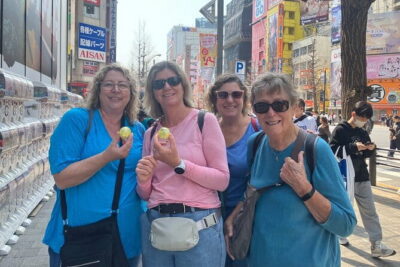
This isn’t a lecture. You’ll try fruits with playful names and big flavor profiles, including rambutan and mangosteen, plus lesser-known ones like breast milk fruit and sapodilla. You’ll also likely encounter fruit you’ve never bought before, which is where this stops being “just food” and becomes real learning.
In a market setting like this, I like that you can ask quick questions and get fast answers. Why does one fruit taste like perfume while another tastes like caramel? How should you cut it? When is it at its best? With a guide who talks in plain English, you can turn tasting into understanding.
If you’re worried about variety feeling chaotic, don’t be. The group is small, and the tasting style is simple: try, react, move on. In one tour experience, a fun sweet snack like deep-fried bananas was part of the fruit stop too, so you might get that extra bite while you’re already in sampling mode.
Food notes for sensitive eaters: one participant mentioned they don’t eat beef or pork and still got a vegan option at a stop where beef showed up. That tells me the guide is paying attention to needs. If you have dietary limits, mention them when you book so the tour can steer you toward something that works for you.
War lessons in a historic area: learning without turning it into a slideshow
Not every walking tour includes context that stays with you. This one does, and it’s handled with care.
You’ll spend time in a historic area where you learn about the Vietnam War from a local perspective. The style is short on dates and long on lived understanding. Instead of turning history into trivia, the tour connects it to the physical place—an old housing block area, the kind of neighborhood where history feels close because people kept living through it.
I like that the tour doesn’t treat war as a distant headline. You get a sense of resilience and daily life continuing around major events. It’s the sort of learning that lands in your body, not just your brain.
Also, it makes the day feel balanced. You get broth and fruit, then you get a context reset. By the time you get to coffee, your brain is awake in a calmer way, ready to absorb.
Local coffee that ruins the big-city chains
Saigon coffee is a whole culture, and you’ll get it from a local expert. The setup is classic: you watch the coffee drip slowly and steadily into a glass with sweetened condensed milk, creating that signature cà phê sữa đá style.
This is one of those travel moments that’s both simple and oddly mesmerizing. The slow drip gives you time to look around and notice what’s happening around you: how locals order, how the cup arrives, how people move through the shop like they’ve done it a thousand times.
There’s also an optional twist for the curious: cà phê chanh, coffee with lime. If you’re the type who likes experimenting, ask for it. If you’re not, stick to the standard sweet condensed milk version and enjoy it as intended.
One key detail from the tour experience: you may visit one of Saigon’s older coffee shops, the kind with history and charm that feels older than the furniture. That adds meaning without making it overly serious.
Ginger tofu pudding: the soft landing after a full sensory morning
After walking and tasting, you finish with something gentle: a dessert of warm silken tofu served with ginger syrup. It’s sweet, smooth, and comforting in a way that doesn’t feel heavy.
You might also get coconut milk as part of the serving, which makes the dessert feel round and soothing rather than sharp. In spirit, this is the kind of treat Vietnamese grandmas might offer when someone is tired or needing comfort.
I like desserts like this at the end of a walking tour because it signals closure. Your stomach is satisfied, and your brain is ready for conversation, not another bite.
Backstreet wander and open chat: where the tour turns into conversation
The day doesn’t rush to the finish line. After dessert, you slide into more backstreet walking through the hẻm, the alleys where Saigon really lives.
You’ll end in a quiet spot with space to ask questions and talk. The tour guide leaves you breathing room to connect the dots from earlier stops—history questions, food questions, or just what to eat next. If you want a recommendation for lunch afterward, this is the time to ask.
This open-chat style is a quiet luxury. It’s how you get better answers than what you’d get from a single Google search.
Price and value: what you’re really paying for at about $40
At $40 per person for a 3-hour, small-group tour, you’re paying for more than “a guide.” You’re paying for access: people who know where locals eat, how the market works, and how to translate history without turning it into a lecture.
You’re also getting multiple food and drink moments, not just one snack. That includes noodle dumplings soup in a local grandma-stall setting, fruit tasting in the market, Vietnamese coffee (cà phê sữa đá), and the ginger tofu pudding dessert. With everything included, your biggest extra cost is usually how you reach the meeting point.
Is it cheap? No. But it’s fair for the amount of walking, tasting, and guided context you get in a short window. If you’re the type who values small-group access and doesn’t want to spend your whole morning navigating markets alone, the value is strong.
Practical tips so the day feels easy
Here’s how to make this tour comfortable instead of stressful:
- Wear comfortable shoes. You’ll be on foot through narrow alleys and market areas.
- Dress for warm conditions and plan for changing light. Market mornings can feel humid and close.
- Bring a little patience. This is not a speed-walk. The pace is designed for tasting and listening.
- If you have dietary limits, tell the guide. The tour has included vegan options when beef appeared, which suggests they can adjust when possible.
If you’re expecting a big scripted show, you might feel slightly underwhelmed. This tour is quiet by design. It’s for people who enjoy normal life as much as landmarks.
Also, note that the tour isn’t suitable for people with mobility impairments due to walking conditions.
Who should book this tour?
This tour is a great fit if you want:
- A morning in Saigon that feels local, before the city gets loud
- Food moments that come with explanation and context, not just samples
- Tropical fruit tasting at a real market, with a guide to help you understand what you’re eating
- Vietnam War learning that feels tied to place and everyday life
- A small group (up to 6) so your questions don’t get lost
It’s less ideal if you want a high-energy, attraction-hopping itinerary, or if you need minimal walking in tight spaces.
Should you book this tour?
I’d book it if your ideal morning looks like broth smells, fruit you can’t spell but can taste, and coffee that makes you rethink what you’re used to. The mix is the real strength: noodles and markets for sensory fun, history for perspective, then coffee and dessert to finish calmly.
I would skip it if walking through narrow alleys and market lanes won’t work for you, or if you need lots of major monuments and photo stops. This experience is about everyday Saigon—quiet, practical, and surprisingly memorable.
If that sounds like your kind of travel morning, this one is worth your time.
FAQ
What is the duration of the tour?
The tour runs for 3 hours.
How much does it cost?
The price is $40 per person.
Where do we meet?
You meet in front of a monument of a monk.
What language is the tour guide?
The tour is guided in English.
How big is the group?
It’s a small group limited to 6 participants.
Is transportation included?
No. Transportation to the meeting point and back home is not included.
What’s included in the price?
Everything is included.
Is the tour suitable for people with mobility impairments?
No. It is not suitable for people with mobility impairments due to walking through narrow alleys and markets.
What food and drinks are part of the tour?
You’ll have Vietnamese noodle dumplings soup, tropical fruit tastings, Vietnamese coffee, and a sweet finish of silken tofu in warm ginger syrup.
Can I cancel for a refund, and can I pay later?
Yes. There is free cancellation up to 24 hours in advance for a full refund, and you can reserve now and pay later.