REVIEW · TOKYO PREFECTURE
Tokyo: Mt. Takao Tour with Ramen and Tattoo-Okay Hot Spring
Book on Viator →Operated by Irie Tokyo Tours · Bookable on Viator
Mt. Takao is Tokyo’s quick mountain fix. This day tour mixes historic temple stops with big views and ends with a tattoo-friendly hot spring that feels like a proper reset. I especially like how the guide stays relaxed and friendly while still keeping things moving, and I like that lunch is handled for you with Hachioji ramen or soba.
There is one catch: you really want good weather. If skies are cloudy, the Mt. Fuji view from the peak can be a letdown, and the operator may offer a different date or a full refund if conditions are poor.
In This Review
- Key points you’ll care about
- Mt. Takao: the easy way to get a real mountain day near Tokyo
- Getting started at Takaosanguchi Station (and why the setup matters)
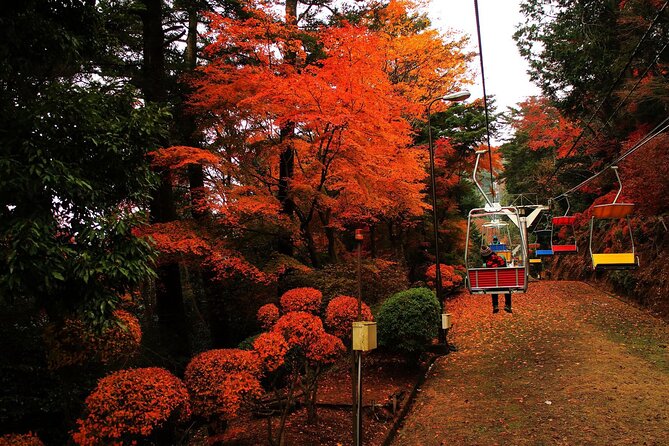
- Cable car or chair lift: you’re not here to suffer
- Takao 599 Museum: a quick primer before the climb
- Takosugi and the sacred tree walk: small stop, big meaning
- Monkey Park and the Wild Grass Garden: nature breaks the rhythm
- Gomadokoro Gongen Chaya lunch: Hachioji ramen or soba, handled for you
- Yakuo-in Yuki-ji Temple and the sacred route to the top
- Mt. Fuji from the peak: the view you’re timing your day for
- The suspension bridge on the way down
- Keio Takaosan Onsen Gokurakuyu: tattoo-friendly, with real bath variety
- Price and value: what $120 buys you (and what it doesn’t)
- What to pack and how to pace yourself (so the hot spring feels deserved)
- Is this tour for you? Who it fits best
- Should you book this Mt. Takao ramen + tattoo-okay hot spring tour?
- FAQ
- FAQ
- How long is the Mt. Takao tour?
- What does the $120 price include?
- Where does the tour start and end?
- Is the hot spring tattoo-friendly?
- Are hot springs clothing optional?
- What kind of food do I get for lunch?
- Do I need to bring snacks and drinks?
- Do I need to buy cable car or chair lift tickets separately?
- What happens if the weather is poor?
Key points you’ll care about
- Small group (max 7 people) means a calmer pace and more time for questions
- Cable car or chair lift saves your legs and gets you up fast
- Sacred route highlights include Takosugi (Octopus Cedar) and Yakuo-in Yuki-ji Temple
- Lunch is included at Gomadokoro Gongen Chaya with Hachioji ramen or soba
- Tattoo-friendly hot spring stop with indoor/outdoor baths, cold bath, and sauna
Mt. Takao: the easy way to get a real mountain day near Tokyo
Mt. Takao is a sacred mountain tied to the biggest mountain temple area in Tokyo, so you’re not just doing a random hike. You’ll walk through meaningful spots on the way up, and that context changes the tone of the day. Instead of racing through photo stops, you get a guided sense of why these places matter.
What I like most is that the experience doesn’t feel like a grind. You get help with the climb via the cable car or chair lift halfway up, then you finish with walking segments that are manageable for most people. You also get time at viewpoints, including a shot at seeing Mt. Fuji on clear days.
You can also read our reviews of more tours and experiences in Tokyo Prefecture.
Getting started at Takaosanguchi Station (and why the setup matters)
The tour meets at Takaosanguchi Station (2241 Takaomachi, Hachioji). Starting from a transit point keeps you from wasting your morning on transfers, and the route is designed to run as a single, connected day.
The tour uses a mobile ticket, which is convenient if you hate paper. It also helps that the plan ends at JR Hachioji Station after the hot spring, which is only about a 38-minute ride from Shinjuku. That matters because you’re not stuck trying to figure out transport while your legs are tired and your brain wants to go home.
Cable car or chair lift: you’re not here to suffer
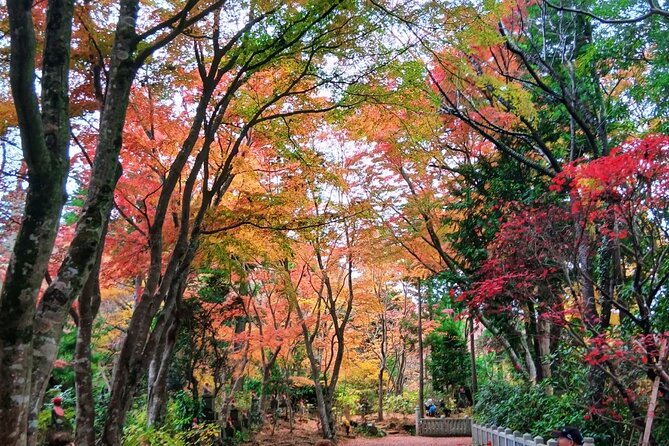
One of the best value parts of this tour is that the cable car and/or chair lift fees are included. You’ll ride up partway, then continue on foot from there. For most people, that is the difference between Mt. Takao being fun versus Mt. Takao being a long workout you didn’t plan.
This mid-mountain ride is also a smart way to get your bearings. You’ll be looking out at the city and the surrounding hills while you’re still fresh, instead of waiting until you’re exhausted to appreciate the views. If you’re traveling with limited time in Tokyo, this kind of partial lift is a very practical win.
Takao 599 Museum: a quick primer before the climb
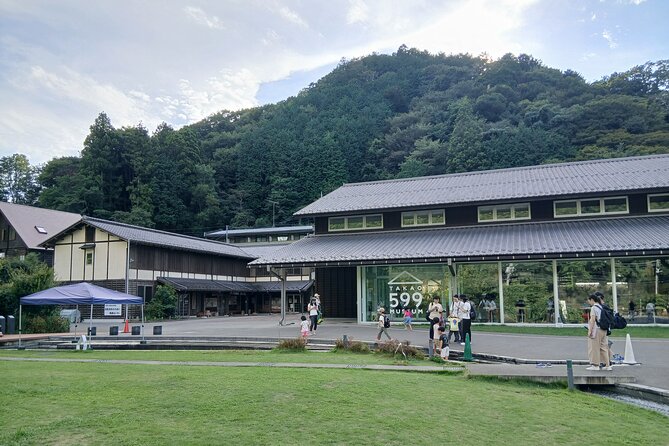
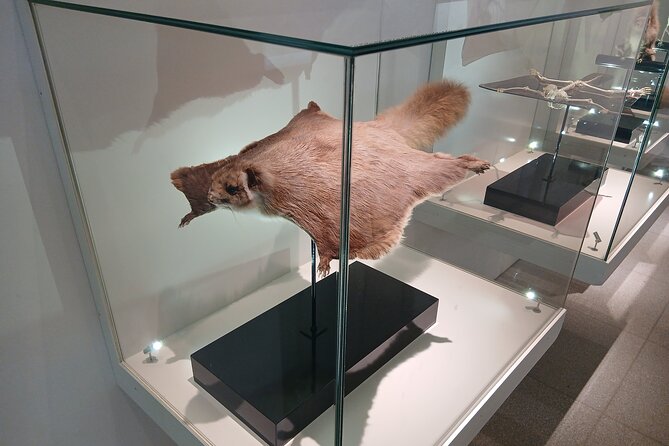
Before you head deeper into the mountain route, you’ll stop at Takao 599 Museum. The visit is short and admission is free, so think of it as a warm-up. You’ll learn what the mountain has to offer and get a framework for what you’ll see next—temple spaces, sacred trees, and viewpoints.
I like this approach because it prevents the usual problem: you arrive, you see things, you take photos, and you leave not knowing why any of it matters. This is a low-effort way to fix that.
Takosugi and the sacred tree walk: small stop, big meaning
Along the way you’ll see Takosugi, the Octopus Cedar Tree—one of the sacred trees on the route to the peak. It’s a brief stop, but it’s the kind of detail that makes a mountain feel like a place with identity, not just scenery.
Stops like this are why I’d choose a guided day here instead of DIY. Even if you’re moving fast, the guide can point out what you’re looking at and why people treat these spots with respect. It’s not heavy lecturing, either. The vibe stays friendly and conversational.
Monkey Park and the Wild Grass Garden: nature breaks the rhythm
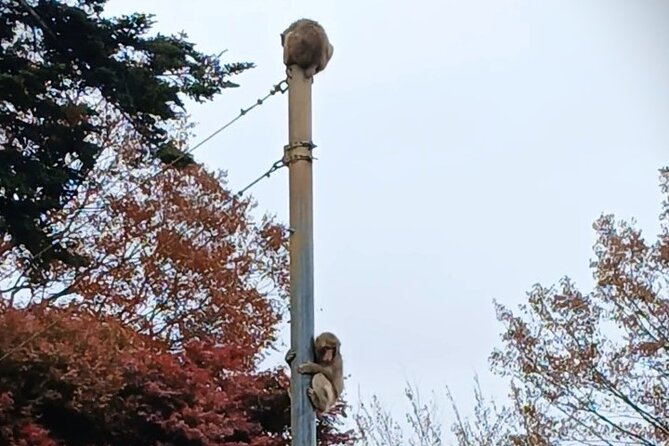
As you go up, you’ll reach an area with monkeys at Mt. Takao, including the Monkey Park and Wild Grass Garden area. You’ll get a chunk of time here, and it works like a reset. The mountain route can be a steady flow of stone paths and temple structures, and then suddenly you get movement, chatter, and that very human urge to stare at the animals.
This is also a good place to breathe. You’ll catch a bit of shade, you can take photos, and you can refocus before the peak portion of the route. If you prefer calm sightseeing, just remember to keep your distance and don’t try to “manage” the monkeys like they’re a display.
Gomadokoro Gongen Chaya lunch: Hachioji ramen or soba, handled for you
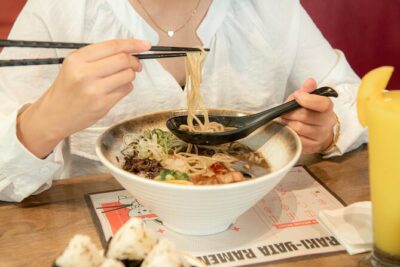
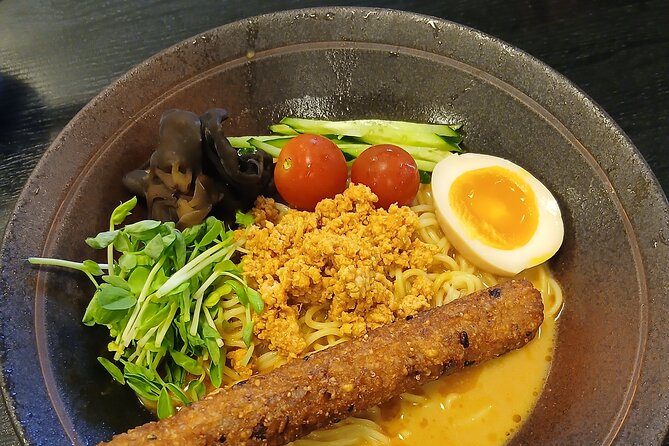
A day tour is only as good as its food planning, and this one includes lunch at Gomadokoro Gongen Chaya. You can choose Hachioji ramen or soba, both local favorites. This saves you from hunting for a meal while your schedule is moving.
I also like that lunch is timed as a real break, not a rushed stop. You’ll have enough time to eat and settle, which matters because the hot spring at the end will feel even better if you’re not running on empty. If you’re picky about spice or broth strength, just be ready to make your choice confidently at the start of lunch.
Yakuo-in Yuki-ji Temple and the sacred route to the top
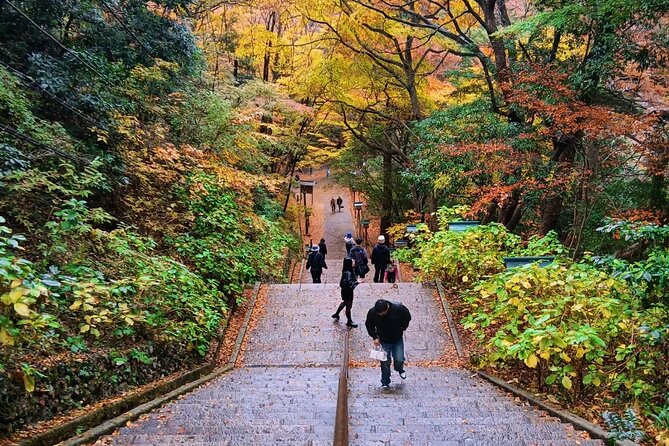
Near the climb’s more spiritual section, you’ll walk through Takaosan Yakuo-in Yuki-ji Temple. This is one of those stops where a guide helps you slow down without telling you to slow down.
You’ll get time to move through the temple grounds and understand what you’re seeing—again, the key value is context. Even if you’ve visited temples in other cities, this route gives you a mountain-temple feel that’s different from flat-city shrines.
And yes, you’ll want good shoes here. Temple paths can be uneven, and you’ll be on your feet in multiple segments.
Mt. Fuji from the peak: the view you’re timing your day for
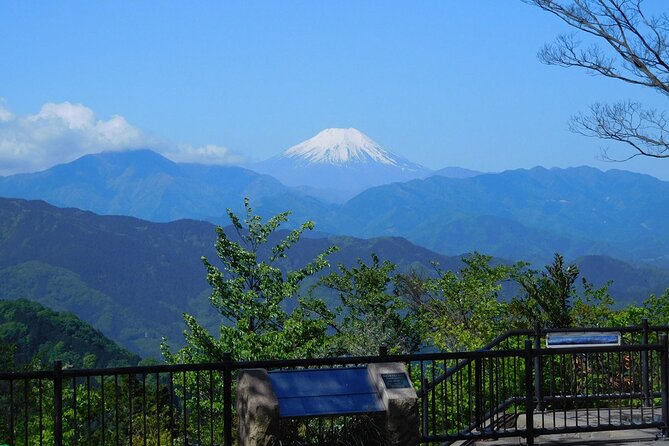
At the peak, you’ll get time at Mount Fuji viewpoints. This is where weather matters most. On a clear day, you get the chance to see Mt. Fuji as the mountain’s big reward; on a cloudy day, you might not get the full payoff.
That’s also why this tour tends to make sense for people who can be flexible. If conditions aren’t good enough, the operator may offer another date or a full refund. In other words: you’re paying for an experience built around the possibility of a signature view, and the tour plan is designed to handle that reality.
The suspension bridge on the way down
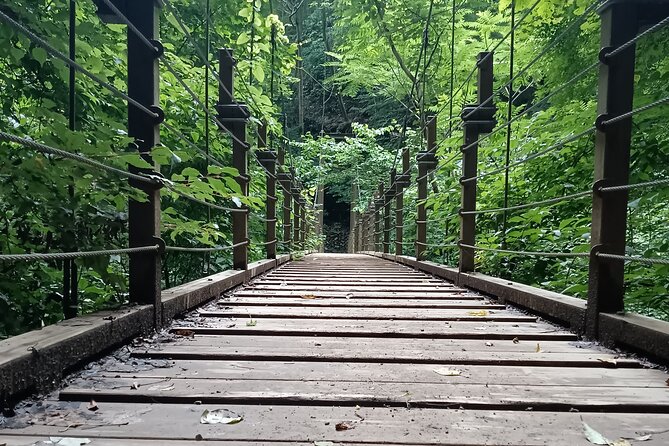
On the descent, you’ll cross a suspension bridge. This stop is short, but it adds variety. You go from steep-ish mountain walking to a different kind of crossing, with views that shift quickly as you move.
It also helps that the bridge comes before the hot spring. It’s a satisfying “still moving” activity that doesn’t demand a full extra commitment of climbing. Your legs get the mental break that keeps the last part of the day from feeling too long.
Keio Takaosan Onsen Gokurakuyu: tattoo-friendly, with real bath variety
After the walking, you’ll end at Keio Takaosan Onsen Gokurakuyu for about 1 hour 30 minutes. This is the tour’s headline for a lot of people, because tattoo concerns are handled. The tour description notes that you can go to a hot spring facility that allows tattoos, and that is a big deal in Japan.
Important note: hot springs in Japan are nude and separated by gender. That’s not the kind of detail you want to discover on arrival, so plan mentally and practically. Bring a change of clothes if you want to swap out after the soak.
What you’ll get once you’re inside is variety: indoor and outdoor baths, a cold bath, and a sauna. The cold bath is the classic “cool down” step, and the sauna gives you an extra heat cycle if you like that. Even if you only use one or two options, the range helps you tailor the experience to your body.
Price and value: what $120 buys you (and what it doesn’t)
At $120 per person, this is not a budget stick-and-go hike. But the value is pretty clear because the price covers key costs you’d otherwise have to piece together: cable car or chair lift admission, monkey park access, lunch, and hot spring entrance.
That bundling matters when you’re short on time in Tokyo. You spend less energy figuring out tickets and more energy enjoying the day. Also, the group size is capped at 7 travelers, so you’re not packed in like a bus tour, and the guide can keep the pace human.
Not included: snacks and drinks along the way. If you know you get snacky while walking, grab a few items before you start or plan to buy small extras during the day.
What to pack and how to pace yourself (so the hot spring feels deserved)
Wear comfortable shoes. You’ll be walking multiple segments, including the temple route and the suspension bridge section. If you have hiking shoes or supportive sneakers, this is a good day to use them.
Bring a change of clothes if you want it for after the hot spring. The tour notes it’s an option, and it’s one of those small comforts that makes the last transfer easier.
Also, plan for a day that runs about 7 to 8 hours. That’s long enough to need proper pacing, but short enough that you’re not losing a whole second day to travel.
Is this tour for you? Who it fits best
This tour is a strong match if you want:
- a guided day up Mt. Takao with meaningful stops, not just photos
- a lift-assisted climb so you’re not doing it all on foot
- included lunch in the middle of the mountain day
- a hot spring stop that works even if you have tattoos
It may be less ideal if you’re very weather-dependent and you need guaranteed views. Since the schedule relies on conditions (especially for Mt. Fuji viewpoints), keep a flexible mindset.
Should you book this Mt. Takao ramen + tattoo-okay hot spring tour?
I’d book it if you want a day that feels both structured and relaxed. The small group size, the friendly local style of guiding, and the fact that the pricey pieces are handled for you make it a practical way to see more than you could easily manage on your own.
Skip it only if nude-separated hot spring rules are a dealbreaker for you or if you know you won’t handle weather changes well. Otherwise, this is one of those Tokyo-area days where you end with warm water, good food, and a mountain view you’ll remember long after the train ride back to Hachioji.
FAQ
FAQ
How long is the Mt. Takao tour?
It runs about 7 to 8 hours.
What does the $120 price include?
It includes lunch (Hachioji ramen or soba), admission fees for the cable car and chair lift, admission for the monkey park area, and entrance to the hot spring.
Where does the tour start and end?
It starts at Takaosanguchi Station in Hachioji and ends at JR Hachioji Station.
Is the hot spring tattoo-friendly?
Yes. The tour goes to a hot spring facility that allows tattoos.
Are hot springs clothing optional?
No. Hot springs in Japan are nude, and baths are separated by gender.
What kind of food do I get for lunch?
You can choose Hachioji ramen or soba at Gomadokoro Gongen Chaya.
Do I need to bring snacks and drinks?
Snacks and drinks are not included, so you’ll want to buy what you need along the way.
Do I need to buy cable car or chair lift tickets separately?
No. Cable car and chair lift fees are included.
What happens if the weather is poor?
If the experience is canceled due to poor weather, you’ll be offered a different date or a full refund.