REVIEW · TOKYO
RAMEN Noodle Making Experience! Made from flour in 30min!
Book on Viator →Operated by Sobagiri Rakujyo · Bookable on Viator
Your noodles start with a knife. In Tokyo’s Kappabashi, this class teaches you ramen noodles using a specially designed cutting knife and a noodle-thin slicing method with no machinery. I love the way it turns a normally passive meal into a hands-on food skill, and I also love that you finish by choosing your flavor and toppings at your seat. One thing to consider: if you have a buckwheat allergy, entry isn’t allowed, so you’ll want to plan your swap options carefully.
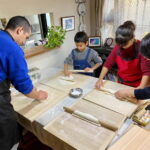
The format is quick and clear: you’ll work one person per table, with an instructor guiding you step-by-step. You get practical practice with the full ramen process—adding water, kneading, rolling, and cutting—then the staff boils your noodles and serves them for you.
The possible drawback isn’t the teaching—it’s the ingredient reality. This experience is built around wheat ramen flour or 100% buckwheat soba flour, so if you need a strict avoidance beyond those categories, you’ll want to double-check before you book.
In This Review
- Key points before you go
- Why Kappabashi makes this ramen class feel different
- The 50-minute flow: dough to bowl, without the waiting spiral
- Ramen noodles taught with a noodle-cutting knife (no machinery)
- Choose your bowl: flavors, toppings, and that included drink
- Wheat vs soba: how the class handles different ingredient needs
- Price and value: what $51.64 buys you (and what it doesn’t)
- Language support: English guidance and how to make it smoother
- Who should book this ramen noodle-making experience?
- Quick planning tips (so you enjoy the class more)
- Should you book this ramen noodle-making class?
- FAQ
- How long is the ramen noodle making experience?
- How many people can participate at once?
- Do I make the noodles myself, or is it mostly watching?
- Is there an option for people who do not want wheat flour?
- What flavors and toppings can I choose?
- Is a drink included?
- What is the cancellation policy?
Key points before you go
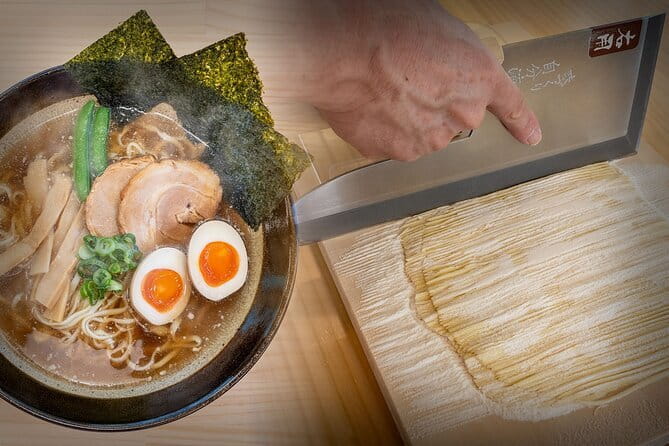
- Knife-only noodle slicing taught without machinery, using a traditional soba-soba style
- 30 minutes of making, then staff boil and serve your noodles
- Choose from 6 ramen flavors, including soy sauce, miso, and vegan options
- Soba option for wheat-free preferences (100% buckwheat flour), but buckwheat allergy means no entry
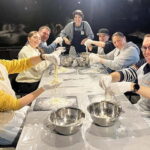
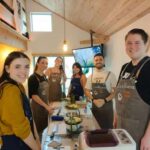
- Small class size (max about 15–16 at a time) for better attention
Why Kappabashi makes this ramen class feel different
Kappabashi (Tokyo’s knife-and-kitchenware neighborhood) is exactly the place where a noodle class makes sense. You’re not just learning a recipe—you’re learning technique in a setting where people truly care about tools, cutting, and how food is shaped.
I like that the shop leans into this. The experience uses a large noodle-making knife and a slicing method designed for thin noodles, so it feels more like learning a craft than following a worksheet. If your Tokyo trip includes any time around cookware shops, you can tie this into your day in a natural way.
Another plus: the studio sits in a busy area with public transportation nearby. That means you can fit it into the end of your trip without feeling stuck in “one more thing” logistics.
You can also read our reviews of more tours and experiences in Tokyo.


The 50-minute flow: dough to bowl, without the waiting spiral
Plan on about 50 minutes total. The making portion is about 30 minutes, and then the staff takes over for boiling and serving so you’re not standing around waiting with raw dough.
Here’s the rhythm you should expect:
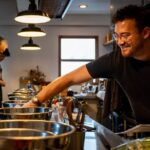
- You start at the studio and get set up at your own table.
- You follow four steps to build the noodles: adding water, kneading, rolling, and cutting.
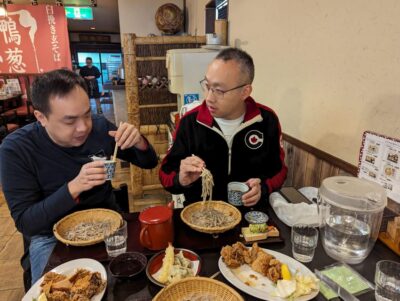
- Once your noodles are done, staff boil them and bring your meal to your seat.
- Then you pick your flavor and handle toppings while you eat.
This structure is helpful for two reasons. First, you get real time with the process. Second, you avoid the common cooking-class problem where the class stretches long while everyone waits for one big pot.
Ramen noodles taught with a noodle-cutting knife (no machinery)
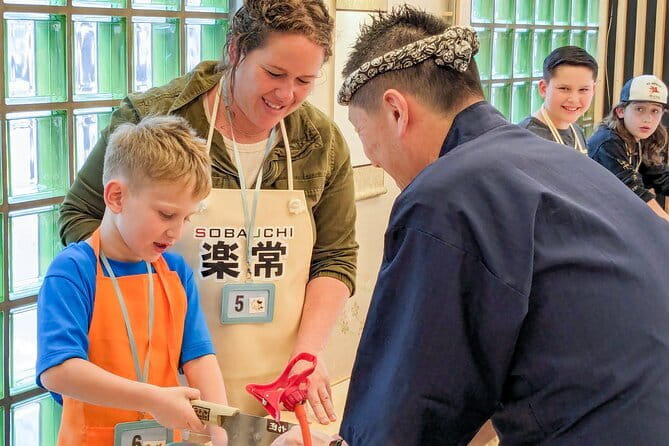
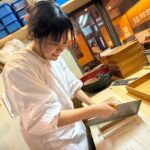
This class is all about cutting. The experience uses a knife specially designed for noodle making, and you practice slicing thin noodles without machines. That means you’ll learn how pressure, angle, and consistency matter—things you never notice when you just buy fresh noodles.
You’ll also learn the soba-soba slicing technique, described as a method used since the Edo period. Whether you care about history or not, the practical takeaway is clear: this is a method that expects hands-on practice and repetition, not passive watching.
One smart detail: there’s an original system and tool setup that helps complete the traditional process within that tight time window. So you’re not fighting a slow “authentic only” schedule.
When you’re done, the staff boils and serves your noodles. That keeps the outcome reliable, especially if you’re new to dough work. It also means you can focus on tasting and topping choices rather than troubleshooting boiling times.
Choose your bowl: flavors, toppings, and that included drink
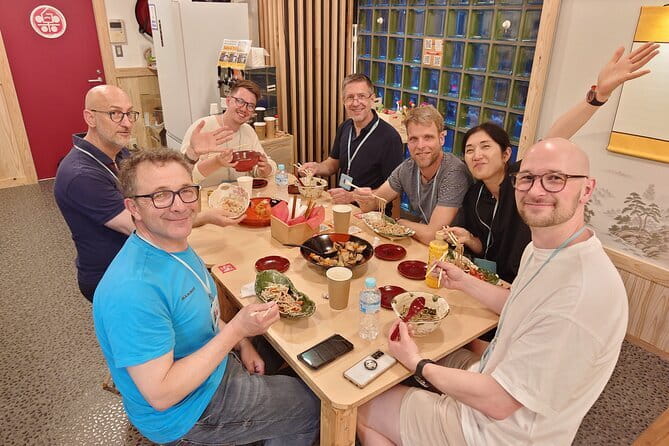
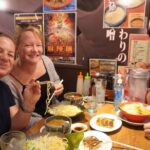
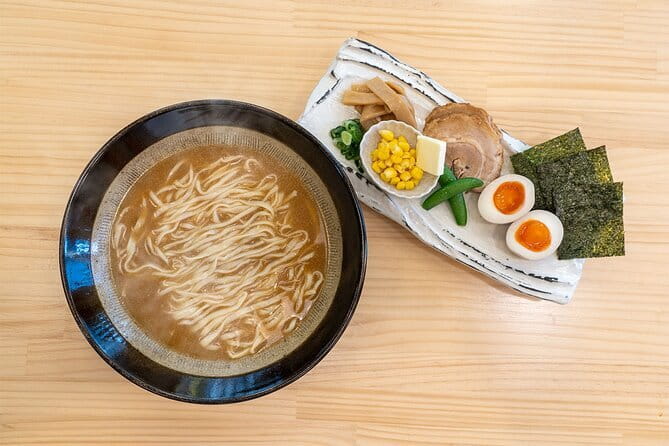
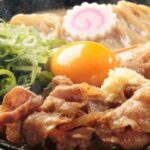
After the noodles are made, you sit down and build your bowl experience. The shop lets you choose from six ramen flavors, including soy sauce ramen, miso ramen, and a vegan ramen option.
You’ll also do the topping portion right at your seat. That matters because it makes the class feel less like a demo and more like your meal. You’re not just receiving a dish—you’re customizing it.
A drink is included once you’re seated, which is a small detail but a real comfort factor. It gives you something to sip while you get your toppings sorted and enjoy the meal right away.
If you’re traveling with picky eaters, this part is a lifesaver. Everyone can end up with a bowl they actually want, even if their noodle shape came out different than the person next to them.
Wheat vs soba: how the class handles different ingredient needs
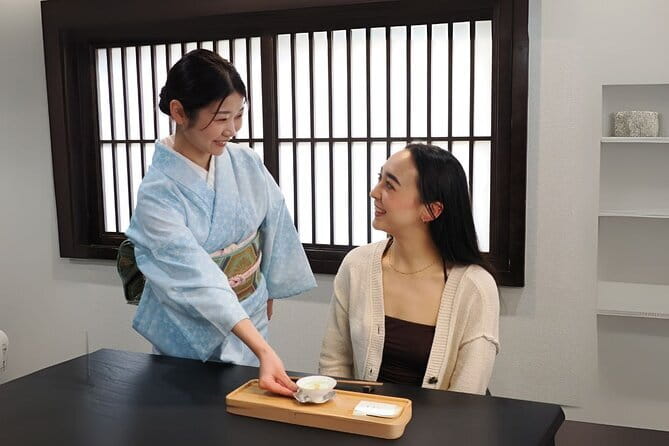
Here’s the deal: the shop offers both ramen and soba noodle-making. So if someone in your group doesn’t like wheat flour, you may be able to switch to a soba-making experience using 100% buckwheat flour.
That flexibility is genuinely useful in Japan, where many noodle options are wheat-based and “asking for a swap” can be hit-or-miss. In this case, the menu approach is built into the experience structure.
The caution is important: buckwheat allergies are not allowed to enter. That’s not a small footnote—so if anyone in your group has a buckwheat allergy, this is an automatic no.
If you’re simply avoiding wheat by preference, you likely have a better path here. If you’re avoiding it for allergies, you’ll want to confirm the right option and any ingredient cross-contact expectations with the provider before you commit.

Price and value: what $51.64 buys you (and what it doesn’t)
At $51.64 per person, this isn’t a bargain-basement cooking class. You’re paying for a few things that are harder to replicate cheaply:
- A dedicated knife-based noodle-making method (not just mixing bottled ingredients)
- Step-by-step instruction using a dedicated English setup
- One-person-per-table time so you’re not sharing workspace
- Noodles being boiled and served for you, then a choice of flavors and toppings
- A included drink
So the value isn’t just the food at the end. It’s the skill element plus the experience design that keeps the result edible and enjoyable.
Also consider timing. If you book about 45 days in advance on average, you’ll probably have an easier time choosing a slot that fits your schedule. This kind of class tends to sell out when people plan “Tokyo must-dos” tightly.
In short: you’re paying for technique, not just dinner. If you’re the kind of traveler who enjoys learning how something is made, the price makes sense.
Language support: English guidance and how to make it smoother
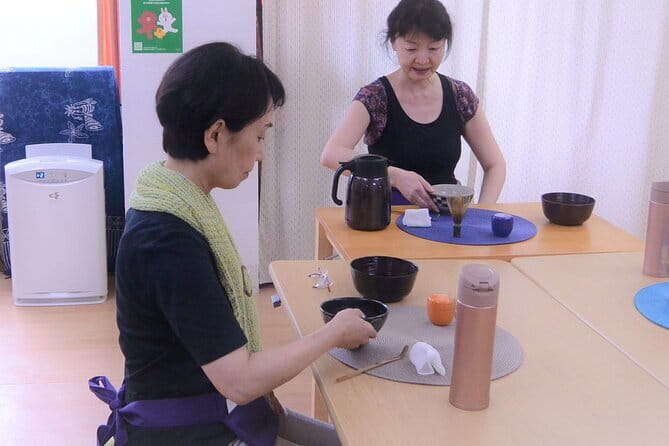
The instructor is supported by a dedicated English application, which helps keep the process understandable. You’ll still be doing the hands-on work, but the steps should stay clear even if your Japanese is limited.
There’s also an option for extra support: if you bring an interpreter who can speak Japanese, the shop may offer a discount for the number of guides. That’s helpful for larger groups where someone is leading translations.
What you can do as a solo traveler or small party: go in with a basic attitude of curiosity. Even with limited language, the physical steps are easy to follow because you can copy what you see at your table.
Who should book this ramen noodle-making experience?
This is a great fit if you want something interactive, not just scenic. I’d especially recommend it for:
- Families who want a hands-on activity that lands on the “fun” side of cooking
- Food lovers who like learning technique, not only eating
- Travelers who want a shorter commitment than a full-day cooking course
- Anyone planning time in Kappabashi and wanting a food-focused counterpart to kitchenware shopping
It’s also a smart pick for your last day. The shop even suggests this approach—partly because it’s a contained time block and partly because finishing in the knife district pairs nicely with a final round of shopping.
Quick planning tips (so you enjoy the class more)
- Wear something comfortable for kneading and rolling. You’ll be using your hands a lot.
- Expect the cutting part to be the most challenging at first. That’s normal. The pace is designed for learning, not perfection.
- If your group needs ingredient flexibility, decide early between ramen flour and the 100% buckwheat soba option.
- Come hungry in a good way. The class ends with noodles you made, plus a chosen bowl setup and toppings.
And if you like to shop, plan extra time after. Kappabashi is ideal for finding Japanese kitchenware, tableware, and knives—and you can match the tools you see in stores with the skills you just tried.
Should you book this ramen noodle-making class?
If you want a Tokyo experience that’s hands-on, short, and ends with a bowl you helped create, this is an easy yes. The combination of knife-only noodle making, guided steps, and then your own flavor/topping choices makes it feel complete, not like a brief stunt.
Skip it only if buckwheat is off-limits for anyone in your group, or if you know you strongly prefer food experiences that don’t involve dough and cutting. Otherwise, this is one of those classes that turns “I ate ramen in Tokyo” into a story with actual technique behind it.
FAQ
How long is the ramen noodle making experience?
The activity runs for about 50 minutes. The noodle making portion is guided through steps that take roughly 30 minutes, and staff boil and serve the noodles after.
How many people can participate at once?
The experience has a maximum of about 15 travelers (and it can run up to 16 people at the same time in a single session).
Do I make the noodles myself, or is it mostly watching?
You make the noodles yourself at a dedicated table. The instructor guides you through adding water, kneading, rolling, and cutting, using a large knife designed for noodle making.
Is there an option for people who do not want wheat flour?
Yes. The shop also offers a soba making option using 100% buckwheat flour, which can work for people who prefer to avoid wheat flour.
What flavors and toppings can I choose?
Once seated, you can choose from six flavors, including soy sauce ramen, miso ramen, and vegan ramen. You also experience toppings at your seat.
Is a drink included?
Yes. A drink is included after you are seated while you choose flavors and enjoy the toppings.
What is the cancellation policy?
You can cancel for a full refund if you cancel at least 24 hours before the experience starts. If you cancel less than 24 hours before, the amount paid is not refunded.