REVIEW · KYOTO
Home style Ramen and Homemade Gyoza in Kyoto
Book on Viator →Operated by Nariko's Kitchen · Bookable on Viator
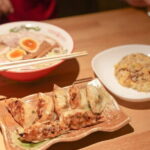
Dumplings beat souvenir hunting. In Kyoto at Nariko’s Kitchen, you’ll learn home-style ramen soup and make gyoza wrappers and dumplings from scratch in a real home kitchen. It’s the kind of hands-on class where the end goal is clear: you taste what you cooked.
I especially like that the lesson focuses on real technique, not just assembling pre-made components. And I love the satisfaction of making your own gyoza skins and then eating the results right away, in a small group setting.
One thing to weigh first: this class is not vegetarian because the ramen broth uses dried fish, and you also won’t make ramen noodles (only the soup). If you’re hunting a noodle-making class, you’ll want a different option.
In This Review
- Key Things You’ll Remember from This Kyoto Cooking Class
- A Kyoto Home Kitchen Where You Make Ramen Broth and Gyoza Wrappers
- What You Actually Cook in 3.5 Hours (and What You Skip)
- Ramen Soup Lesson: Simple Ingredients, Dried Fish, and Clear Flavor
- Gyoza From Scratch: Wrappers, Knives, and Pan-Fried Success
- Cucumber Pickles: The Crunch That Makes the Whole Meal Work
- The Classroom Feel: Small Groups, Step-by-Step Pace, and a Spotless Home Setup
- Mobile Ticket and Real-Life Timing: Make This Your Best Morning Slot
- Price and Value: $118.92 for Technique, Meal, and Take-Home Recipes
- Who Should Book This Kyoto Ramen and Gyoza Class
- Practical Tips Before You Go
- Should You Book Nariko’s Kitchen Home-Style Ramen and Gyoza?
- FAQ
- Is this class vegetarian?
- Do you make ramen noodles in the class?
- What do you make besides ramen and gyoza?
- How old do kids need to be?
- How many people are in the class?
- Where do you meet and what time does it start?
- Can non-participants watch?
Key Things You’ll Remember from This Kyoto Cooking Class
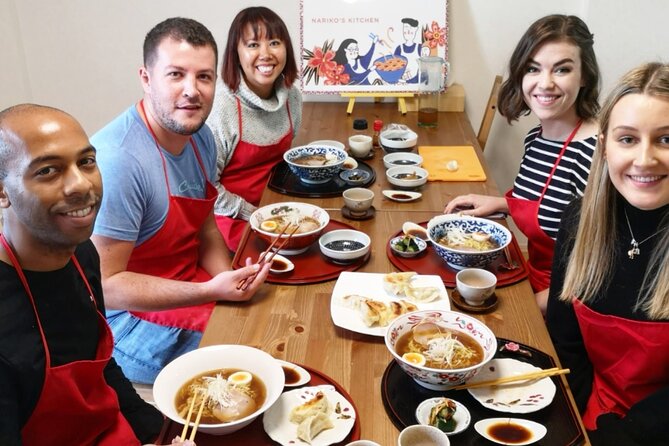
- Small group max of 8 means more hands-on help and calmer pacing
- Ramen soup uses Nariko’s mother-style recipe and relies on dried fish
- Gyoza wrapper making is from scratch (knife skills required)
- You also make cucumber pickles as part of the meal
- Recipes are shared after the class, so you can cook again at home
A Kyoto Home Kitchen Where You Make Ramen Broth and Gyoza Wrappers
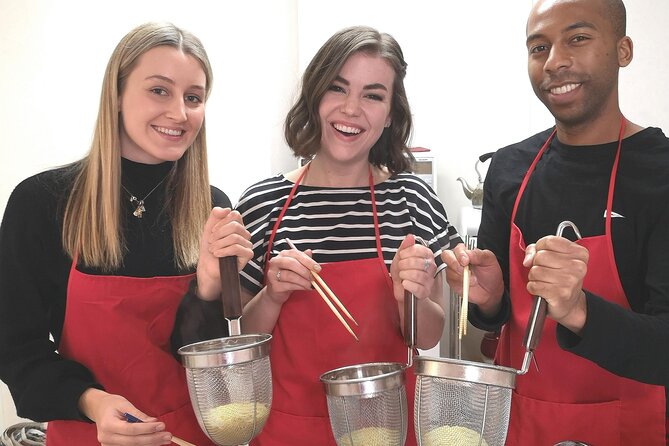
If you’ve ever watched someone fold gyoza and thought, I could never do that, this class is a friendly reality check—in a good way. You’ll be in a home environment in Kyoto, learning from Nariko in a kitchen built for teaching. With a maximum of 8 people, it stays personal, and you’re not stuck standing around hoping you’ll get a turn.
The heart of the experience is simple: you make home-style ramen soup and homemade gyoza, then you eat them as a complete meal. That’s what turns it from a cooking demonstration into something you can actually repeat later.
The other big win is confidence. Once you’ve rolled wrappers, shaped dumplings, and learned how the broth comes together, you’re not just tasting Japan—you’re practicing it.
You can also read our reviews of more tours and experiences in Kyoto.
What You Actually Cook in 3.5 Hours (and What You Skip)
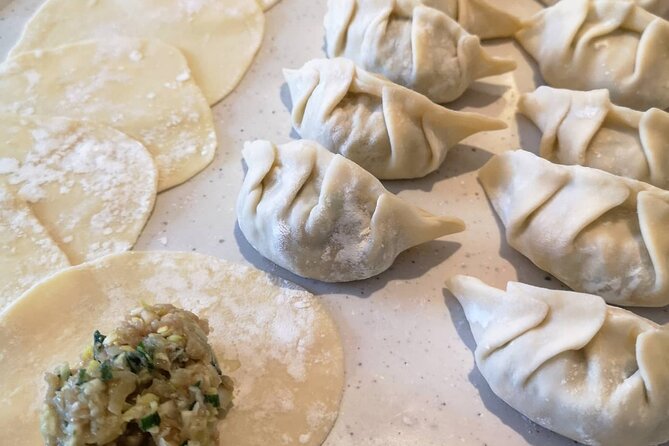
This is a 3 hour 30 minute class, starting at 10:00 am, and it’s designed to fit into a morning/early afternoon rhythm. You’ll cover several parts of the meal:
- Ramen soup (broth only)
- Gyoza (including wrappers/skins from scratch)
- Cucumber pickles to balance the meal
- Tasting everything you make afterward
Two limitations matter. First, this class does not make ramen noodles. If you’re dreaming of cooking noodles from scratch, treat this as a broth-and-dumpling class. Second, it is not vegetarian due to dried fish used in the soup.
That sounds restrictive on paper, but it also makes the class more realistic for a single sitting. You get to focus on the techniques that change the flavor: broth and dumpling craft.
Ramen Soup Lesson: Simple Ingredients, Dried Fish, and Clear Flavor
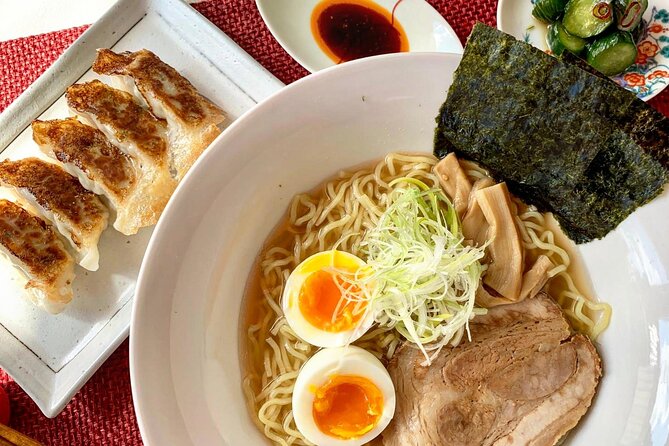
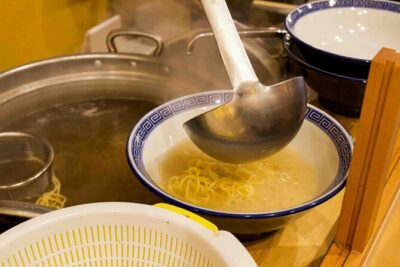
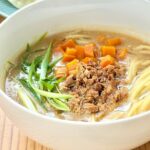
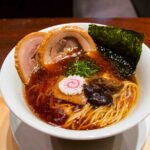
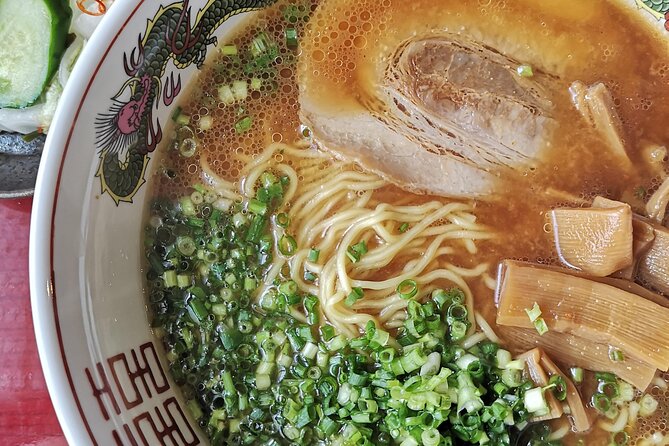
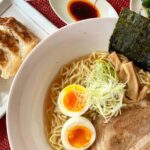
The ramen portion centers on broth. Nariko uses her mother’s recipe for the soup, and the method relies on dried fish, which is very common for ramen. Translation for you: expect a broth with that classic savory depth that comes from dried seafood-based stock.
This detail is the main fork in the road. If you’re vegetarian or you avoid fish/seafood, you should skip this class, because there’s no fish-free alternative offered here. If you’re not restricted, you’ll likely find this part surprisingly approachable. Many people assume ramen broth requires complicated steps and hours you can’t replicate at home. In this class, the approach is taught in a way that makes it feel doable.
A practical tip for how to think about the broth: taste and adjust your expectations. Ramen soup isn’t just salty or just rich. It’s layered. As you work, you’ll learn what contributes that depth and how home ingredients can still produce something genuinely Japanese.
Gyoza From Scratch: Wrappers, Knives, and Pan-Fried Success
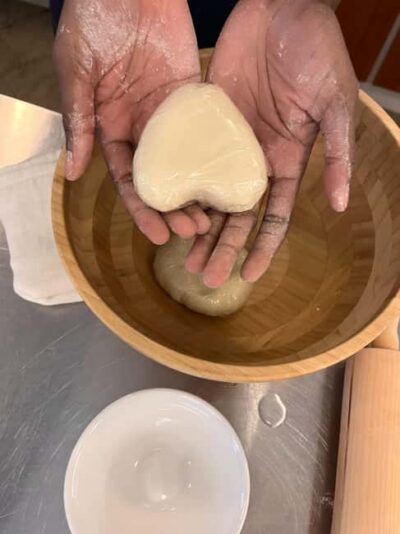
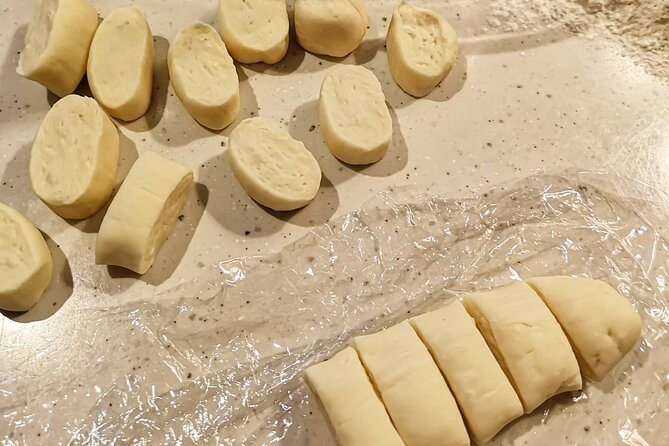
Gyoza is where the class gets hands-on, fast. You’ll make the gyoza wrappers from scratch, which means dough work and rolling/handling until it behaves the way you need. This is also the reason there’s an age requirement: participants must be older than 10 and able to use a knife, because the class includes knife tasks.
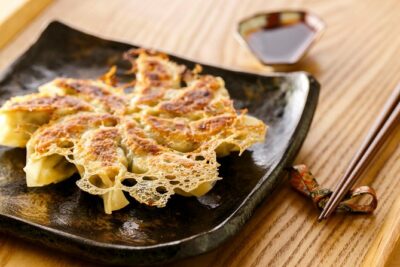
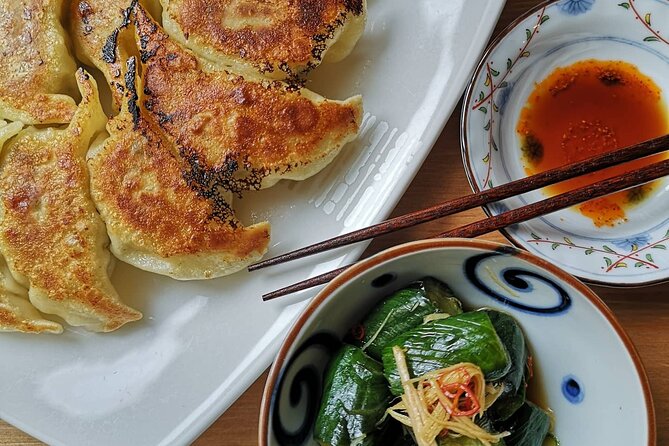
Then comes the shaping. The dumpling-making portion is a real skill moment: filling goes in, wrappers get folded, and you learn how to seal so you don’t end up with open dumplings when it’s time to cook. One review specifically called out pan-fried gyoza (not boiled), and that matches the goal of getting a dumpling with that cooked exterior you can taste in one bite.
Here’s what I think makes this gyoza lesson valuable for you: it’s not just eating dumplings. It’s learning the build order and the handling. Once you understand how wrappers behave and how sealing works, you’re no longer intimidated by the idea of homemade gyoza back home.
Cucumber Pickles: The Crunch That Makes the Whole Meal Work
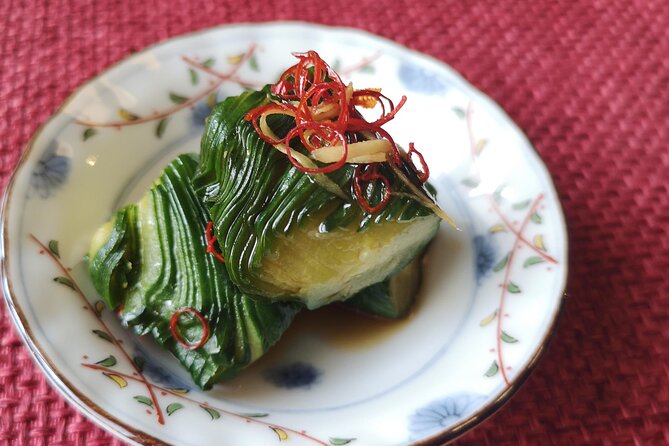
A lot of cooking classes only cover the main dish and call it done. This one adds cucumber pickles, and that small side does real work on your palate. Pickles bring acidity and crunch, which helps cut through the richness of ramen broth and the savory weight of pan-fried dumplings.
In other words, it’s not filler. It’s balance.
You’ll likely notice the meal feels more complete because of this. Even if you’re the kind of eater who usually skips side dishes, pickles are the part that makes the rest of the flavors pop.

The Classroom Feel: Small Groups, Step-by-Step Pace, and a Spotless Home Setup
You’ll meet at 5-6 Matsugasaki Rokunotsubochō, Sakyo Ward, Kyoto, 606-0915, Japan, and you’ll start at 10:00 am. The class runs about 3 hours 30 minutes, and it ends back at the meeting point.
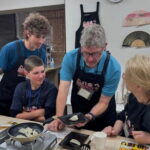
A practical advantage here is the class size. The cap is 8 travelers, and the reviews point to that small, intimate setup where everyone gets included in the steps. That matters because dumpling and dough work isn’t a spectator sport. If you end up in a class where only one or two people handle ingredients, the experience can feel thin. In this setup, the teaching style is designed for hands-on learning.
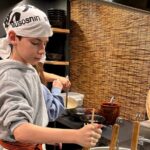
You’ll also be in an actual home kitchen. Reviews describe it as charming and very clean, and you’ll probably feel the difference right away: it’s not a classroom lab. It’s a real space that’s been organized for teaching.
Mobile Ticket and Real-Life Timing: Make This Your Best Morning Slot
This experience uses a mobile ticket, which is usually easier on travel days than paper vouchers. It’s also located near public transportation, so you’re not stuck with a taxi-only plan.
Start time is 10:00 am, so this is a great fit for travelers who want to do something active before the rest of Kyoto steals the day—especially if your afternoons are already full. In terms of pacing, plan for a satisfying meal at the end. This isn’t a snack class.
Also, the average booking window is about 24 days in advance. That’s your clue to plan ahead. Small groups sell out, and kitchen classes are popular in Kyoto during peak seasons.
Price and Value: $118.92 for Technique, Meal, and Take-Home Recipes
At $118.92 per person, this isn’t the cheapest activity in Kyoto. But it’s also not just paying for ingredients. You’re paying for:
- A structured cooking lesson in ramen broth and gyoza making
- Knife work and guided steps in a small group
- A full meal that includes what you cook
- Recipes shared after the class, so you can reproduce it later
That recipe part is the big value lever. If you just want to eat, there are plenty of ramen shops. If you want to bring something home—skills and a repeatable process—this price starts to make sense.
Think of it as a pay-once class that keeps giving. Even if your gyoza shapes look a little rough the first time, you’ll know why they’re not perfect, and you’ll know how to adjust.
Who Should Book This Kyoto Ramen and Gyoza Class
This class is a strong match if you want a home-style meal, not a performance. It’s also ideal if you enjoy tactile cooking: rolling dough, shaping dumplings, and building flavor from broth.
You’ll likely be happiest here if:
- You like ramen and gyoza and want to understand how they’re made
- You’re comfortable using a knife (and you’re booking for kids age 10+ who can handle it)
- You’re okay with non-vegetarian broth made with dried fish
- You prefer a small-group, patient teaching environment
It may feel like the wrong choice if:
- You’re vegetarian or need a fish-free broth (this class can’t do that)
- You specifically want to make ramen noodles (this class makes broth only)
- You want to watch without participating (only participants can attend due to limited space)
Practical Tips Before You Go
A few smart moves can make the day smoother:
- Tell Nariko about dietary needs before booking. The class uses dried fish and can’t convert to vegetarian.
- Plan your morning. You’ll be cooking and then eating, so keep the rest of your day flexible.
- Wear comfortable clothes. Dough and dumplings mean you’re working with your hands.
- Bring your appetite and patience. Gyoza takes practice, and the best results come from doing the steps exactly as shown.
If you’re the type who loves learning how recipes work, not just eating the outcome, you’ll get a lot out of this class.
Should You Book Nariko’s Kitchen Home-Style Ramen and Gyoza?
Yes, if you want hands-on Japanese cooking in a small Kyoto home kitchen, and you’re excited by the idea of making ramen soup (broth) plus gyoza wrappers from scratch. It’s not a vegetarian class, and it’s not a ramen noodle-making class—but if those points don’t affect you, the payoff is real: you’ll leave with techniques you can repeat and recipes you can use at home.
FAQ
Is this class vegetarian?
No. The ramen soup uses dried fish, and the class cannot be made vegetarian.
Do you make ramen noodles in the class?
No. This class makes the ramen soup, but it does not make ramen noodles.
What do you make besides ramen and gyoza?
You also make cucumber pickles, and you eat everything you cook.
How old do kids need to be?
Participants must be older than 10, because the class requires knife use. Children should be able to use a knife.
How many people are in the class?
The class has a maximum of 8 travelers.
Where do you meet and what time does it start?
You meet at 5-6 Matsugasaki Rokunotsubochō, Sakyo Ward, Kyoto, 606-0915, Japan, and it starts at 10:00 am.
Can non-participants watch?
No spectators are allowed. Only people participating in the class may attend due to limited space.