REVIEW · OSAKA
Ramen and Gyoza Cooking Class in Osaka Dotonbori
Book on Viator →Operated by Cooking Sun · Bookable on Viator
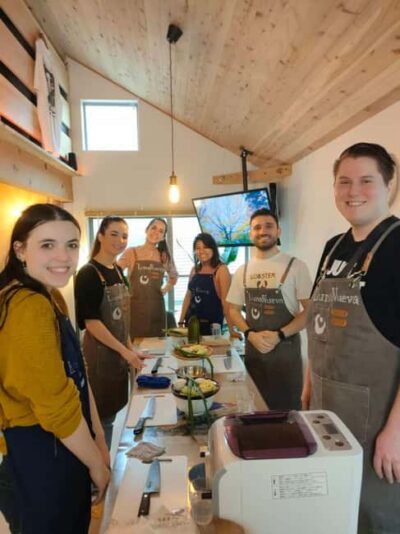
Ramen and gyoza class in Osaka can feel like magic. What makes this one especially fun is that you make ramen noodles and broth from scratch and fold gyoza by hand, right in the heart of Dotonbori. The class is small, paced for learning, and run by an English-speaking team like Miki and Jun.
I really like the hands-on structure. You don’t just watch. You knead, prep, and build your bowl the way you’d do it at home—then you get a recipe handout to actually repeat it later.
One thing to think about: gluten-free isn’t available. Also, the standard ramen base includes fish/chicken notes, so you’ll want to flag your needs (vegetarian, pescatarian, or no-fish) when booking.
In This Review
- Key Things I’d Focus On
- A 3-Hour Ramen and Gyoza Lesson in Dotonbori
- Price and What You Actually Get for $71.35
- Finding Cooking Sun: Apartment-Style Venue, Real-Life Directions
- Inside the Class: How the Lesson Feels (and Why It Works)
- Ramen from Scratch: Noodles, Broth, and Your Toppings
- Gyoza Workshop: Filling, Wrapping, and the Restaurant-Style Finish
- The Teaching Style: English Help, Step-by-Step Support, and Real Patience
- Timing: What to Do Before 1:30 pm and What to Expect After
- Dietary Notes: Vegetarian, Pescatarian, No-Fish, and the Gluten Line
- Who This Is Best For (and Who Might Want to Skip It)
- Should You Book This Ramen and Gyoza Class?
- FAQ
- How long is the cooking class?
- What time does the class start?
- Where do I meet for the class?
- What is the group size?
- Is an English-speaking instructor included?
- What dishes will I make?
- Are dietary options available?
- Is there a gluten-free option?
- What’s included in the price?
Key Things I’d Focus On

- Handmade ramen noodles you knead yourself, plus broth-making for real flavor control
- Small class size (max 8) so you get help instead of getting lost in a crowd
- Custom ramen toppings and gyoza filling so your bowl matches your taste, not the instructor’s
- English-speaking instruction with step-by-step guidance, even if you’re not a cook
- Dietary flexibility with advance notes for vegetarian/pescatarian/no-fish options
- Location in a residential building that can be confusing on maps unless you use the address
A 3-Hour Ramen and Gyoza Lesson in Dotonbori
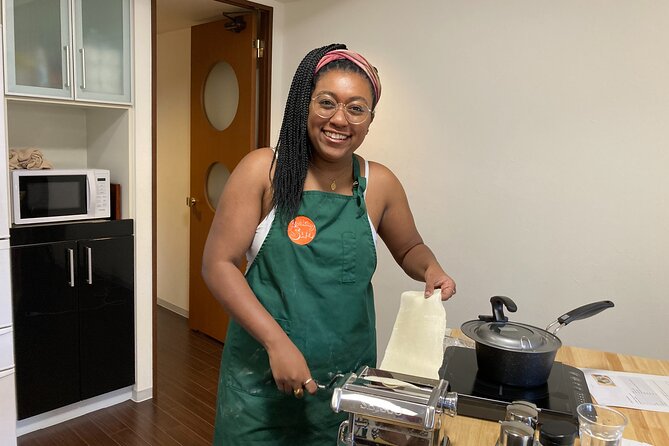
Osaka is the place to fall back in love with food, and this class keeps you close to why. You’re in Dotonbori, so the energy of street food culture is around you—even though your work happens in a clean, modern kitchen setup.
The big draw is that you’re learning process, not just recipes. You’ll tackle noodles and broth from scratch, then move to gyoza filling and wrapping. That combination teaches you how Japanese comfort food is built: layers of flavor, small technique choices, and timing.
I also like that this doesn’t pretend you need special skills. Multiple people in the feedback were with teens or non-cooks, and the instructors stayed patient through mistakes. If you’ve never cooked ramen before, you’re still in the right room.
You can also read our reviews of more tours and experiences in Osaka.

Price and What You Actually Get for $71.35
$71.35 sounds like a “foodie experience,” but the value comes from what’s included. You get all ingredients and utensils, hands-on instruction, English support, and recipes to take home, plus all fees and taxes.
What you don’t get is extra food or beverages beyond what’s part of the class. That matters because ramen + gyoza is filling, so you may not need to add much anyway. It’s the kind of meal where you’ll probably be happy to stop after you eat what you make.
Also note the schedule: it runs about 3 hours, starting at 1:30 pm and typically finishing around 3:30 pm. If you usually eat late, consider a small lunch first so you’re not starving while you’re still kneading noodles.
Finding Cooking Sun: Apartment-Style Venue, Real-Life Directions
The meeting point is Cooking Sun at the provided Osaka address in Chuo Ward, Shimanouchi, in a building at Shimanouchi 2-chome. In the reviews, people mentioned the venue is in an apartment-style building and you use an elevator—then head to the room on the 8th floor.
Maps can be tricky here. One person said Google Maps sent them to the wrong place, and they ended up walking roughly eight blocks after asking a local for help. So I recommend you plug in the full address, not just the business name, before you go.
Once you’re there, the tone is relaxed. The kitchen is described as clean and well organized, and the instructors explain what you’re doing and why, not just what to do next.
Inside the Class: How the Lesson Feels (and Why It Works)
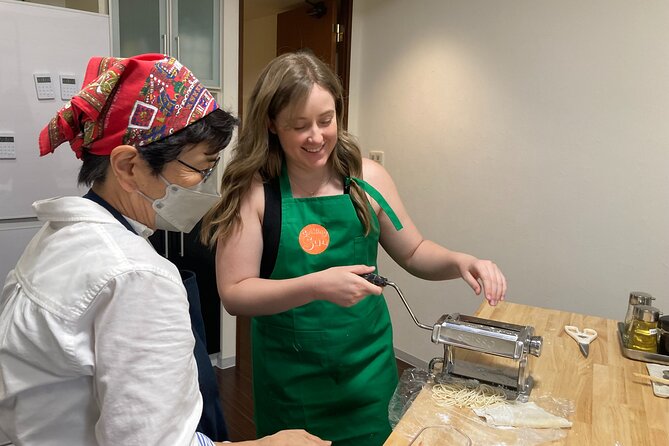
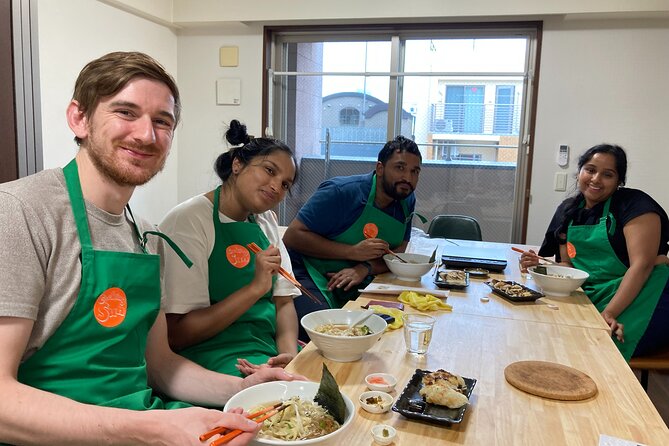
This is a maximum of 8 travelers, which is a big deal. You can actually see what your instructor is doing. You can ask questions without shouting. And when someone needs help—folding gyoza, correcting a dough issue, or adjusting seasonings—there’s time.
Expect a lot of step-by-step guidance. Reviews mention clear instructions through the whole process, plus patience when things didn’t go perfectly. One helpful detail: instructors didn’t just teach technique; they also explained cultural context and the reasoning behind certain steps.
If you’ve got dietary needs, this is where the class stands out. There’s a clear instruction to add a note upon booking for vegetarian, pescatarian, or no-fish options. Gluten-free is not offered, so plan accordingly if wheat is a deal-breaker.
Ramen from Scratch: Noodles, Broth, and Your Toppings
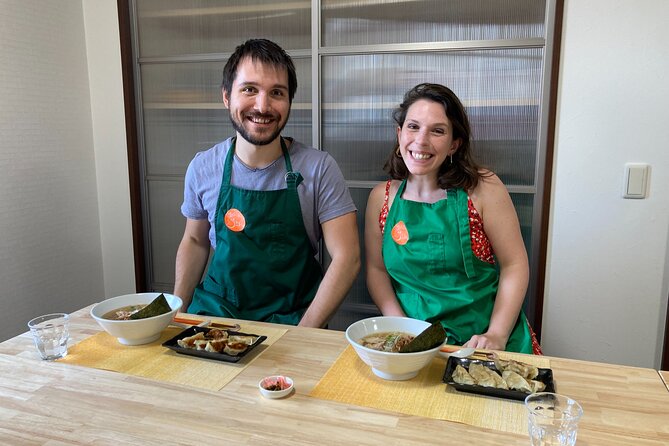
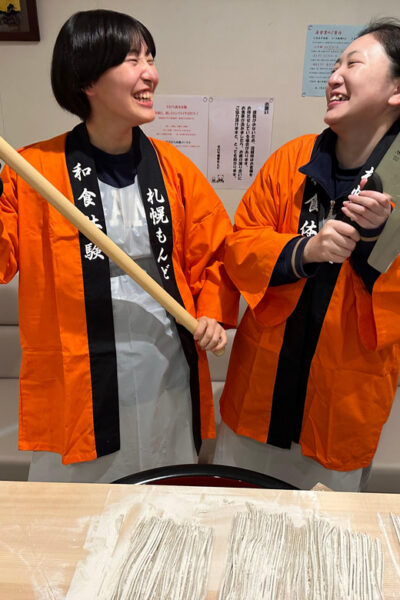
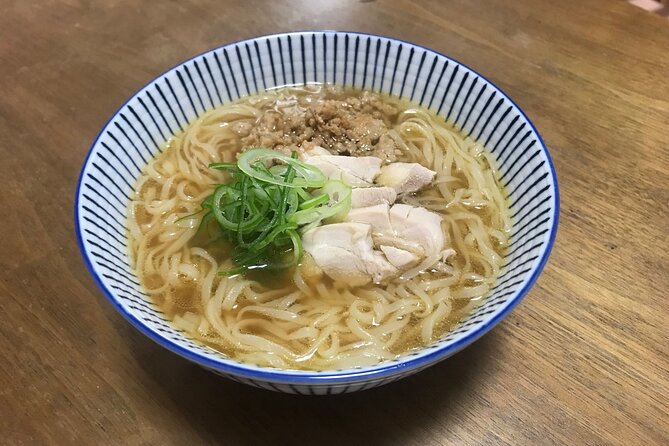
Ramen is the centerpiece here, and you’ll make key parts yourself. The course covers ramen noodles and soup made from scratch, including kneading the noodles by hand.
Kneading noodles is one of those tasks that looks simple on video but teaches you a lot in real life. You learn what the dough feels like as it comes together and why texture matters for springy noodles. The payoff is huge: when your noodles go into the soup, you can taste the difference.
Broth-making is the other big lesson. The standard base includes fish/chicken, and at least one non-fish-eater said the base was still enjoyable. If fish isn’t your thing, you’ll want to request the no-fish option when booking so the class can adapt your broth.
One especially useful learning moment from the feedback: instructors explained differences between fish flakes (like bento-style fish flakes), and they talked through differences between soy sauces and miso types. Even if you never use those exact ingredients at home, it gives you a framework for swapping flavors intelligently.
Then comes the fun part: building your bowl. You’ll be able to customize ramen toppings based on your tastes. That’s more than decoration. Toppings teach you how ramen changes with texture—something crunchy, something savory, something aromatic—depending on what you add.




Gyoza Workshop: Filling, Wrapping, and the Restaurant-Style Finish
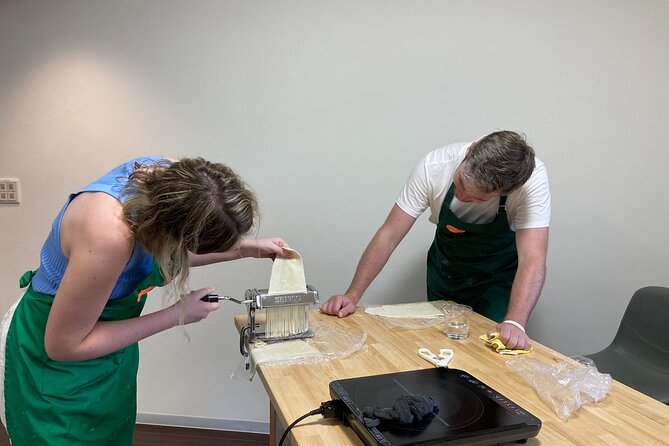
After ramen noodles and broth, you’ll shift to gyoza. This is hands-on in a way that feels oddly satisfying: prep the filling, chop ingredients, and assemble dumplings.
The class covers customizing your gyoza filling. That means you can tune flavors and ingredients to what you like. One review praised that their gyoza came out just like restaurant versions—so don’t worry that you’re doing “amateur dumplings.” The structure is there to help you get it right.
You’ll also fold the gyoza using wrappers. The feedback specifically notes premade wrappers, which makes the technique more about shaping and stuffing rather than forcing you to make wrappers from scratch. That’s a smart choice for a 3-hour class.
Gyoza is one of those dishes where tiny differences matter. If your filling is too wet, it’s harder to fold. If your fold isn’t tight, you risk it opening. The instructors guide you through so you learn the technique, not just the outcome.
And then you eat what you made. That moment is part of the value: you immediately taste your decisions—broth style, noodle texture, dumpling filling, and toppings.
The Teaching Style: English Help, Step-by-Step Support, and Real Patience
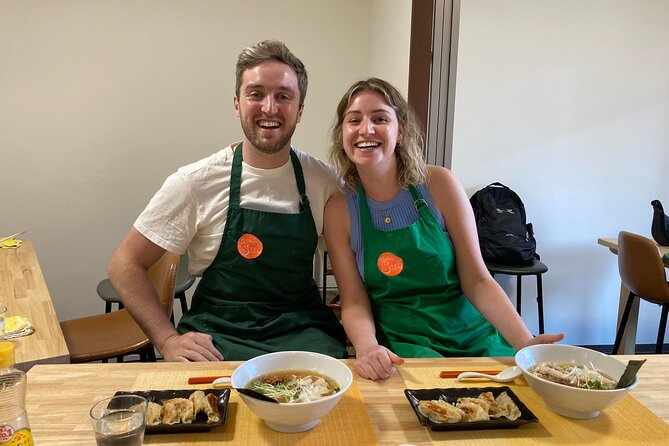
One repeated theme in the feedback is how the instructors teach. English is clear, and the guidance is detailed enough that even people without cooking experience can keep up.
People also mentioned that instructors explained customs and the rationale for steps—so you’re not stuck memorizing without understanding. If you want to recreate ramen at home, that reasoning makes a difference.
It also helps that the class is intimate. When someone struggles with a step, there’s time to fix it. One review mentioned allergy accommodation, and the instructors made sure the participant didn’t have to miss out.
If you’re traveling as a family, this kind of structure is a win. Reviews included teenagers who enjoyed the class, plus parents who liked that it wasn’t just “a meal.” It’s activity with real skills behind it.
Timing: What to Do Before 1:30 pm and What to Expect After
The class starts at 1:30 pm and runs about 3 hours. If you tend to get hungry mid-afternoon, plan a small lunch beforehand. One review explicitly said finishing is around 3:30, so you’ll likely eat your meal during the class and still want something light before you begin.
The class ends back at the meeting point. That means no awkward “where do we go next?” moments. You’ll leave with recipes and a full stomach, which is exactly what you want on an Osaka day.
For the rest of your evening, you’ll probably be in an eating mood. Dotonbori is right there, so it’s an easy match for continuing the food adventure—just don’t plan on going super heavy right after your own ramen and gyoza.
Dietary Notes: Vegetarian, Pescatarian, No-Fish, and the Gluten Line
This class is flexible if you communicate early. You’re asked to add a note upon booking for vegetarian, pescatarian, or no-fish options. That’s important because ramen broth and gyoza filling can depend on fish-based ingredients, and the instructors need advance time to adjust.
However, there’s a clear limitation: gluten-free option is not available. Also, it’s not recommended for travelers with gluten intolerance. If gluten is a medical issue for you, don’t gamble with a “maybe it’ll work.” Plan for another experience or another dish plan.
If your issue is fish rather than gluten, you can still enjoy the class by choosing the no-fish option. One feedback story said even fish-avoiders found the fish/chicken base acceptable, but that’s personal. Request the option that matches your comfort level.
Who This Is Best For (and Who Might Want to Skip It)
Book this if you want more than a tasting. You want to learn the mechanics of making ramen noodles and broth and the technique of gyoza stuffing and folding. If you like eating at ramen shops and you’ve wondered what’s going on inside the bowl, this is the fastest way to find out.
It also suits groups and families because the class stays small and the instructors provide step-by-step help. If you’re traveling with a teen, this kind of “do it yourself” activity often works better than a pure museum stop.
Skip it if you need gluten-free. Also skip it if you’re the type who hates hands-on cooking and prefers watching from a distance. This class is built for doing.
Should You Book This Ramen and Gyoza Class?
Yes, I think you should book it if you’re visiting Osaka for food and you want skills you can use later. Handmade noodles and broth are the standout value because they’re the hardest parts—and you’re not stuck with pre-made shortcuts. The small group size and patient teaching style are what make the experience feel worth your time, even if you’re a first-time cook.
If you’re gluten intolerant, don’t book. If you’re avoiding fish, book and add the note early so the team can adapt your meal. And if you’re worried about finding the building, use the full address in your map app and plan for a quick elevator-and-8th-floor moment.
FAQ
How long is the cooking class?
The class runs about 3 hours (approximately).
What time does the class start?
Start time is 1:30 pm.
Where do I meet for the class?
Meet at Cooking Sun, 542-0082 Osaka, Chuo Ward, Shimanouchi, 2-chōme 9-14 807号室.
What is the group size?
The class has a maximum of 8 travelers.
Is an English-speaking instructor included?
Yes. An English-speaking instructor is included.
What dishes will I make?
You’ll make ramen and gyoza from scratch, including hand-kneading noodles and making ramen broth.
Are dietary options available?
You can request vegetarian, pescatarian, or no-fish by adding a note when booking.
Is there a gluten-free option?
No. Gluten-free option is not available.
What’s included in the price?
All ingredients and utensils, the hands-on class, English instruction, recipes to take home, and all fees and taxes are included.