REVIEW · OSAKA
Okonomiyaki or Ramen&Gyoza Class with Local Shop Tour
Book on GetYourGuide →Operated by Osaka Cooking Base · Bookable on GetYourGuide
Japanese cooking gets real fast. You don’t just watch. You shop, you cook, and you talk your way through Osaka food with a small English-led group. I love the step-by-step techniques that make the final dishes feel doable back home, and I love the market-to-kitchen flow, where you understand ingredients before the first pan even heats up.
One thing to consider: the class focuses on one option (either Okonomiyaki & Yakisoba or Takoyaki), so you may finish full—but not making both dishes in the same session.
In This Review
- Key Things You’ll Enjoy Most
- Entering Osaka Tenmangu Shrine: the calm start before you cook
- The local shop tour: why ingredients matter more than you think
- What to pay attention to while you’re walking
- From market to kitchen: small group learning that actually sticks
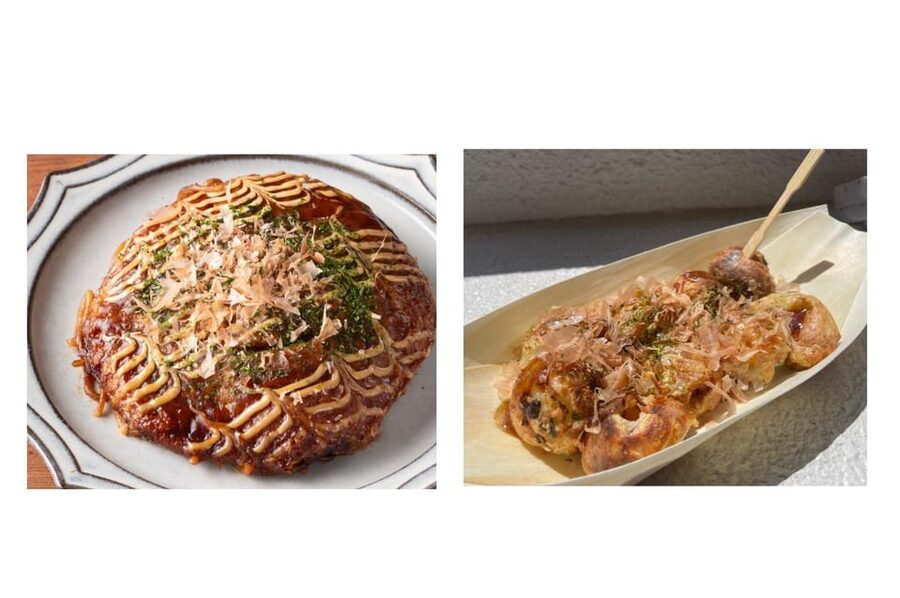
- Choose your menu: Okonomiyaki & Yakisoba or Takoyaki
- Osaka home cooking lesson: Okonomiyaki & Yakisoba basics
- The skill you’re really learning
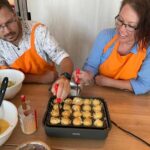
- Takoyaki technique: batter, fillings, and timing
- Cultural exchange that feels natural, not forced
- Price and value: is $83 fair for a 1-day Osaka class?
- Logistics that matter in real life
- Who should book this (and who may want to skip)
- Should you book Osaka Cooking Base?
- FAQ
- Where is the meeting point for the class?
- How long is the experience?
- What food will I cook?
- Is the class taught in English?
- What group size should I expect?
- Is there a requirement to book in advance?
- What is included in the price?
- Do I get to ask questions during the tour?
- What’s the cancellation and refund window?
Key Things You’ll Enjoy Most
- Osaka Tenmangu Shrine meetup that actually sets the tone for local, everyday culture
- Shop stops plus translation help so you can connect ingredients to meaning
- Small group size (max 8) for real conversation, not just polite nods
- Hands-on cooking with clear guidance so you learn the technique, not just the recipe
- Option A or B cooking menu based on what you choose when you book
- Questions welcome during the cooking process, including where to eat around Kansai
Entering Osaka Tenmangu Shrine: the calm start before you cook
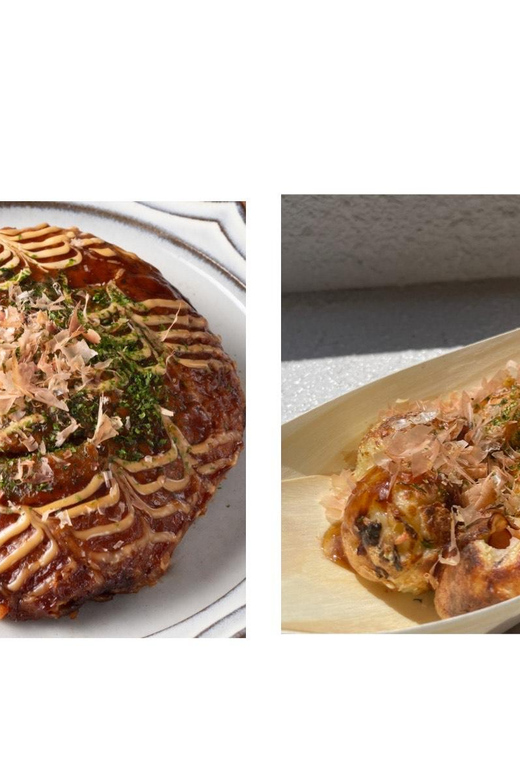
The day begins right by Osaka Tenmangu Shrine, in front of the large main gate. That small detail matters. Go to the main gate, not the back gate, because the meeting point is specific and easy to miss if you arrive without checking.
I like this start because it gives you a grounding moment before the food rush. You’re in a real neighborhood context, not a sterile studio classroom. And once you’re with the guide and your small group, the energy stays friendly and practical—no stiff lectures, no awkward waiting around.
If you want to photograph something, do it here. Later, you’ll be busy flipping, stirring, and tasting. This early stop helps you get your bearings in Osaka while you’re still fresh.
You can also read our reviews of more tours and experiences in Osaka.
The local shop tour: why ingredients matter more than you think
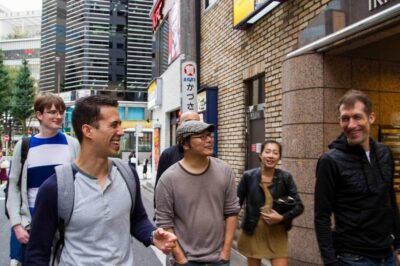
After meeting, you head out to local shops. This part is short (a few shops), but it’s designed to make you understand what you’re buying and why you’re buying it.
You’ll get translation assistance, so you’re not stuck reading labels like a mystery novel. You can ask what an ingredient does, how it’s used locally, and what makes it taste different in Osaka-style dishes. That’s where the experience becomes more than cooking. It turns into a mini cultural lesson.
One review specifically praised how guide Yumi knew a lot about Osaka-region products and even showed shops where you could try items. That’s a big deal for you if your goal is to recreate the dishes at home. You’re not just memorizing measurements. You’re learning what to look for next time you’re shopping.
What to pay attention to while you’re walking
Use the shop time like a scout mission. Look for:
- The key flavor ingredients that show up in Osaka comfort food
- Any differences in toppings, sauces, or preparation tools
- How locals talk about what they’re buying (your guide will help translate)
If you’re the type who enjoys food details, this section will feel like a cheat code.
From market to kitchen: small group learning that actually sticks
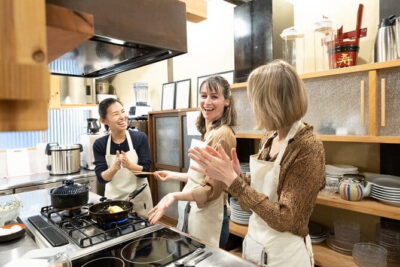
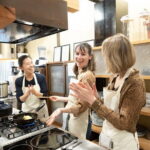
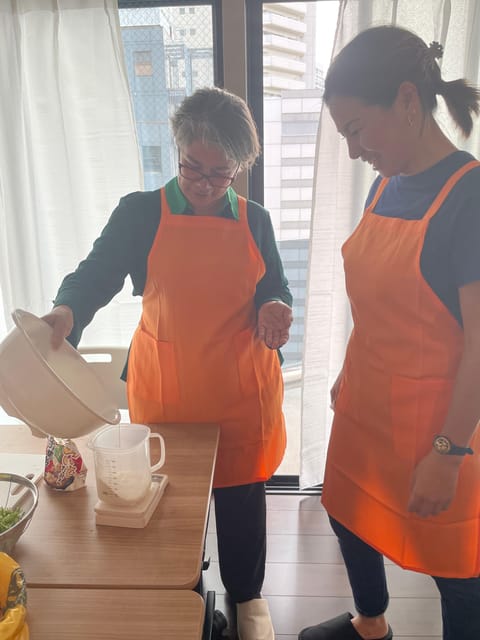
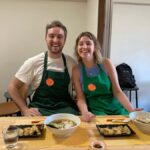
Once you reach the kitchen, the class shifts into true hands-on mode. The group is limited to 8 participants. That small size changes everything. You get help when you need it, and you can ask follow-up questions without feeling like you’re interrupting.
The instruction is in English, and you’ll have step-by-step guidance throughout. I like this structure because home cooking fails for two reasons: people rush and people guess. Here, you’re taught in stages, so you learn the sequence that makes the dish work.
Another thing I enjoyed from the reviews is the way hosts stayed engaged, not scripted. Guides like Yuki, Yumi, and others shared culture nuances alongside cooking tips and answered questions while teaching. One review even mentioned getting advice on places to eat around Osaka, Kyoto, and Nara. Even if you only remember one recommendation, that’s value you can use right away.
Choose your menu: Okonomiyaki & Yakisoba or Takoyaki
This is the fork in the road. When you book, you’ll choose between two cooking options:
- Option A: Okonomiyaki & Yakisoba
- Option B: Takoyaki
Either way, you’ll learn the technique behind the dish, and you’ll enjoy eating what you cook. But the menu choice affects what you leave with.
Here’s a practical way to decide:
- Pick Okonomiyaki & Yakisoba if you want a savory cabbage-forward pancake experience plus noodle comfort.
- Pick Takoyaki if you want the fun, tactile skills of batter, filling, and timing in a special pan.
If you’re the type who wants to cook more than one dish, plan for a second class later. This session is built to teach one full style well.

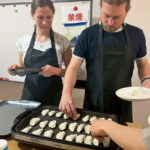
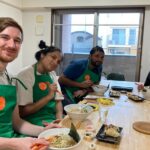
Osaka home cooking lesson: Okonomiyaki & Yakisoba basics
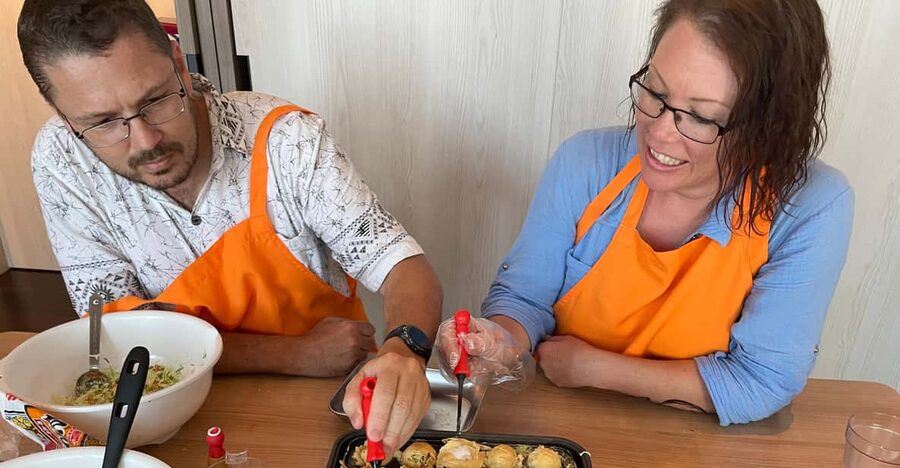
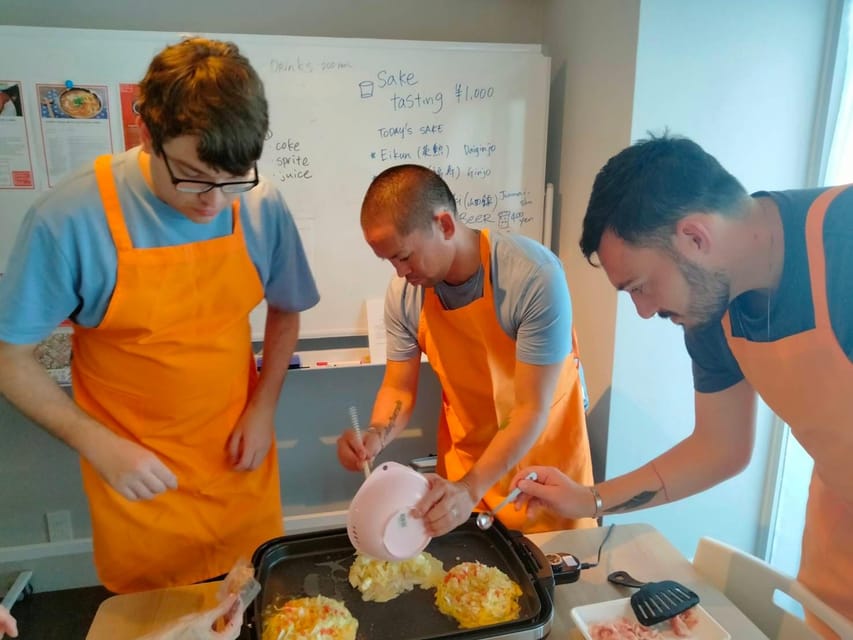
Okonomiyaki is often called a Japanese savory pancake, but that’s too simple. It’s really a layered routine: batter plus cabbage plus mix-ins, cooked until it holds together, then finished with the right flavors and toppings.
In this class, you’ll get step-by-step instruction so you know what to do at each stage. That matters for texture. Okonomiyaki can go wrong if the heat is too high, the batter ratio is off, or you rush the flip.
Yakisoba adds another layer of learning. The review feedback leaned strongly positive on taste and ease—one person said the okonomiyaki tasted so good and was easy to make. That matches the goal of the class: you should be able to replicate it at home without needing professional gear or magical ingredients.
The skill you’re really learning
You’re learning how to control:
- Heat level (so it sets instead of burning)
- Timing (especially around flipping and finishing)
- Mixing consistency (so everything binds)
If you go home and say, I made okonomiyaki, but it fell apart, the guide’s stage-by-stage teaching is exactly what you’ll want to remember.
And yes—you’ll eat it after. Cooking classes that skip tasting are missing the point. Here, you get the payoff.
Takoyaki technique: batter, fillings, and timing
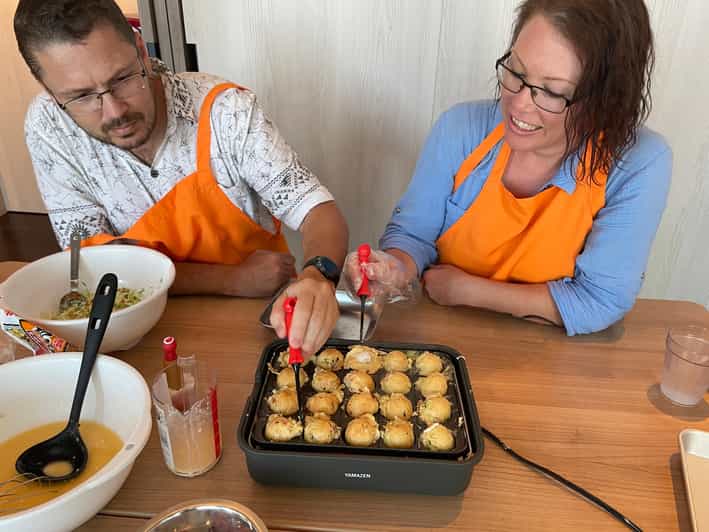
Takoyaki looks like snack food, but the technique is surprisingly precise. It’s a batter game with a timing bonus round. You need to know when to add filling, when to turn pieces, and how to get that rounded, crispy outside without ending up with mush.
In your session, you’ll follow a clear step-by-step process to make takoyaki. The guide’s role is to keep you from guessing. That’s what makes it practical. If you’ve ever tried to make takoyaki at home without guidance, you know the hardest part is knowing what stage you’re in.
I also like that takoyaki is social to make. You’ll be actively working the pan while chatting. And since the class is designed as a cultural exchange, the conversation doesn’t stop the moment you start cooking.
If you choose this option, you’ll leave with real confidence about how to handle the special pan and how to time each turn. That’s the kind of takeaway you can actually use again.
Cultural exchange that feels natural, not forced
This experience isn’t only about food technique. The class is also built around conversation and curiosity about Japan.
You’ll be encouraged to ask questions throughout. That can mean food questions, culture questions, or practical questions about daily life. One review highlighted how Yuki answered questions while teaching okonomiyaki making, and another emphasized lively exploration with extra cultural context.
This is why I think it works for mixed ages. The info says it’s engaging for children through seniors. In real life, that usually means the guide keeps things moving, explains clearly, and doesn’t assume you already know how Japanese kitchens work.
So if you’re traveling solo or you’re nervous about speaking Japanese, don’t worry. The guide provides English instruction, and translation support is part of the shop tour. You’ll still get that authentic feel—just without the language wall.
Price and value: is $83 fair for a 1-day Osaka class?
At $83 per person for a 1-day experience, the value depends on what you want from the day.
If you’re expecting a long guided tour with heavy sightseeing, you might find the price a bit steep for the time. But if you want skill-building, this price starts to make sense. You’re paying for:
- An instructor-led, hands-on cooking lesson
- Ingredient context during the shop portion
- Food made during the class (not just a tasting)
- A small group setting (max 8), which means more help and less waiting
You also get something hard to price: confidence. A good cooking class isn’t just about eating something once. It’s about letting you reproduce the dish later. The whole structure here—market stops, ingredient explanations, then step-by-step cooking—is designed for that.
If you’re a food traveler, that value is real. If you’re a strictly budget traveler who mainly wants to snack and wander, you might prefer buying street food and taking a DIY cooking video at home. But the skills here are the point, and the reviews back up that it’s both fun and effective.
Logistics that matter in real life
A few practical notes before you book:
- Meeting point is Osaka Tenmangu Shrine, and you should find the large main gate
- The class is small group with a limit of 8 participants
- The instructor is English
- You’ll cook either Okonomiyaki & Yakisoba or Takoyaki depending on your choice
- Plan for about a 2.5-hour session during the day
Also, bring curiosity. This class works best when you ask questions during the conversations. If you prefer to be silent and only watch, you’ll still learn, but you’ll miss some of the cultural exchange that makes it feel special.
Who should book this (and who may want to skip)
This class is ideal if:
- You want to learn Osaka comfort-food techniques you can recreate
- You like food and culture mixed together
- You enjoy markets and ingredient stories, not only cooking steps
- You want a small group experience with real Q&A
You might not love it if:
- You expect to cook both menus in one session
- You’re looking for major sightseeing stops beyond a few shop visits
- You prefer fully self-guided time with zero conversation
It’s a smart choice for couples, friends, and solo travelers who want to come home with a skill, not just photos.
Should you book Osaka Cooking Base?
I think you should book it if you want practical Osaka cooking you can repeat. The biggest strength is the combination of shop context + step-by-step cooking. You’re not thrown into the kitchen with vague instructions. You learn the sequence and the why behind the ingredients.
Also, the class seems to shine because guides like Yuki and Yumi (and others such as Rie and Tomo) bring both cooking know-how and cultural explanation. That’s what turns the day from food activity into a real exchange.
Only make sure you choose the right menu option for your taste. If you’re torn between okonomiyaki and takoyaki, pick the one you’d most want to make again at home. Then plan a second session later if you still want the other dish.
FAQ
Where is the meeting point for the class?
You meet in front of the large main gate of Osaka Tenmangu Shrine. Make sure you find the large main gate, not the small back gate.
How long is the experience?
The session runs for about 2.5 hours.
What food will I cook?
You’ll cook either Okonomiyaki & Yakisoba or Takoyaki, depending on the option you choose when booking.
Is the class taught in English?
Yes. The instructor provides English instruction, and translation assistance is also provided during the shop portion.
What group size should I expect?
It’s a small group experience limited to 8 participants.
Is there a requirement to book in advance?
Yes. You need to make your reservation at least 24 hours in advance.
What is included in the price?
The price includes the local shop tour (a few shops) and the food you cook (Okonomiyaki & Yakisoba or Takoyaki).
Do I get to ask questions during the tour?
Yes. The format includes lively conversation during the cooking process, and you can ask questions about Japan and the food.
What’s the cancellation and refund window?
You can cancel up to 24 hours in advance for a full refund.
If you tell me which option you’re considering (Okonomiyaki & Yakisoba or Takoyaki) and when you’re going, I can help you pick the better fit for your Osaka food goals.