REVIEW · OSAKA
Cooking Class for Ramen and Gyoza in a Quiet Old Osaka House
Book on Viator →Operated by JP tourism · Bookable on Viator
Ramen gets better when you cook it. In Osaka, this ramen-and-gyoza class turns a 90-year-old renovated house kitchen into a relaxed place to learn real Japanese home cooking with English support. You’ll be eating what you make, in a setting that feels more like visiting than taking a tour.
I especially liked the hands-on cooking focus and the way the session starts with an ingredient-and-condiment intro, not just a grab-and-go recipe. Second, I liked how the class is built for conversation, so you’re not only learning technique, you’re also trading food habits with the people around you.
One thing to think about: if you have food allergies or specific restrictions, make sure you mention them at booking. The host says they’ll do their best, but your final options may depend on what’s already planned for the class.
In This Review
- Key highlights worth your time
- A quiet Osaka house kitchen, not a loud food show
- Where you start: Tanimachi meeting point and a small-group schedule
- The first step: ingredients and condiments you can actually use later
- Cooking ramen: soy sauce soup and pork toppings
- Making gyoza: homemade wraps plus pork and beef with vegetables
- Lunch together: eating what you made, and trading food culture
- Ayumi as a teacher: warm, organized, and surprisingly practical
- Price and value: what $93.44 buys you (and why it may be fair)
- Shared class vs private: who should choose which
- Who this Osaka class suits best (and who might want a different plan)
- FAQ
- FAQ
- Is the ramen and gyoza class taught in English?
- How long is the class?
- What food is included in the lunch?
- What is the group size?
- Can they accommodate allergies or dietary restrictions?
- Does the class include cooking and eating together?
- Are private classes available?
- What about children under 6 years old?
- Where is the meeting point?
- Is transportation included?
- Final call: should you book this ramen and gyoza class?
Key highlights worth your time
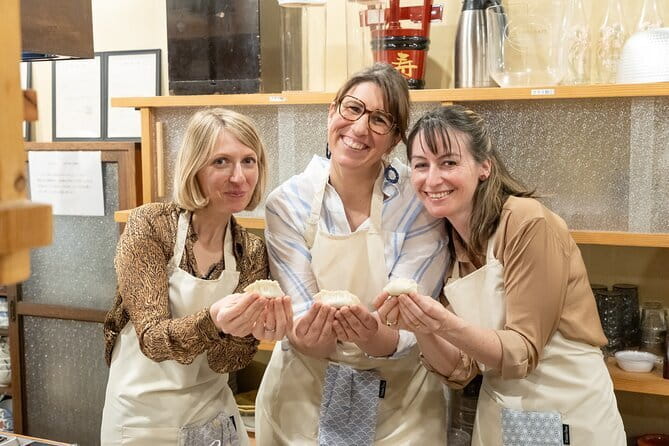
- A renovated 90-year-old house kitchen that feels calm and local, not like a classroom
- English instruction with a teacher who’s used to explaining to home cooks
- Ramen basics in soy sauce style, plus pork toppings for your lunch
- Gyoza made with homemade wraps and pork/beef-vegetable fillings
- Origami chopsticks holders and chopsticks included for every participant
- Small group size (max 6), so questions stay easy to ask
A quiet Osaka house kitchen, not a loud food show
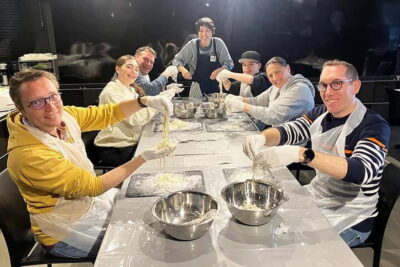
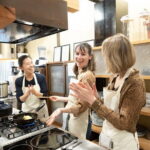
Osaka has plenty of food experiences that are fun and fast. This one slows things down. You’re cooking in a kitchen studio that’s inside a renovated 90-year-old house, which changes the whole mood. The room feels more like a lived-in home than a staged venue, and that makes it easier to focus on what you’re learning.
The class is led by Ayumi, a local teacher who grew up eating Japanese home cooking every day. She’s also certified in dietary education and has taught cooking classes for more than five years. In practice, that means you get both flavor technique and a sensible approach to ingredients.
You’re also given a small but charming welcome: Japanese-made chopsticks in holders made with origami and cute decorations. It’s the kind of detail that makes the day feel thought-through, not generic.
You can also read our reviews of more tours and experiences in Osaka.

Where you start: Tanimachi meeting point and a small-group schedule
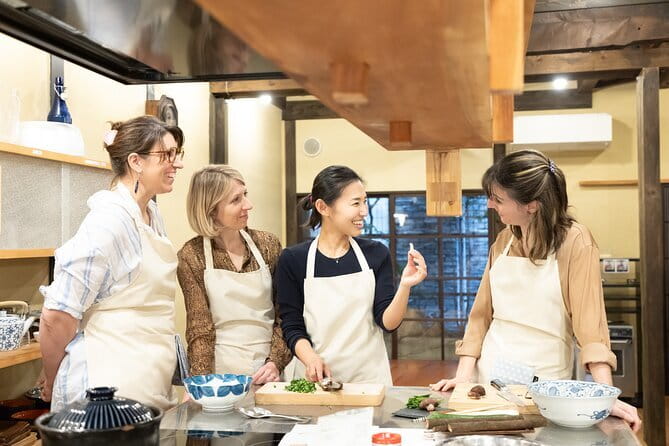
The class starts at 10:30 am in Chuo Ward, Tanimachi (6 Chome-13 Tanimachi, Osaka, 542-0012). It ends back at the same meeting point, so you’re not left figuring out a second meetup.
The group is kept small, with a maximum of 6 travelers. That matters more than it sounds. When you’re rolling gyoza or assembling ramen, you want enough space to work, and you want the instructor to be able to correct what you’re doing without crowding you.
You’ll also get a mobile ticket, and the meeting area is near public transportation. And the whole experience runs about 2 hours 45 minutes. So plan on a solid late-morning chunk that still leaves you time afterward for normal Osaka wandering.
The first step: ingredients and condiments you can actually use later
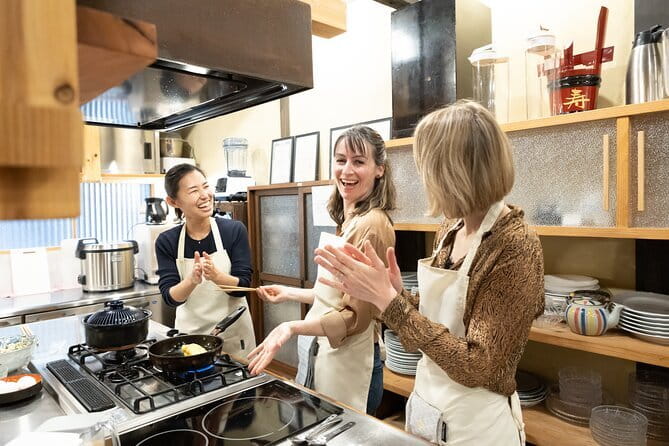
Before you start cooking, you get an introduction to ingredients and condiments that are common in Japanese kitchens. This isn’t filler. It’s the difference between memorizing a recipe and understanding what makes Japanese flavors work.
If you’re anything like me, you’ll recognize some items and then hit a moment of confusion on the rest. The point of the intro is that you learn what each condiment does in real cooking. You also get a baseline for taste and timing, so when you later cook ramen or gyoza at home, you’re not guessing every single step.
Because the class is offered in English, you should feel comfortable following along and asking questions. In the reviews, people specifically highlighted how organized the class is and how strong the English explanation is. That matches what you want for hands-on food learning: clarity, not guesswork.
Cooking ramen: soy sauce soup and pork toppings
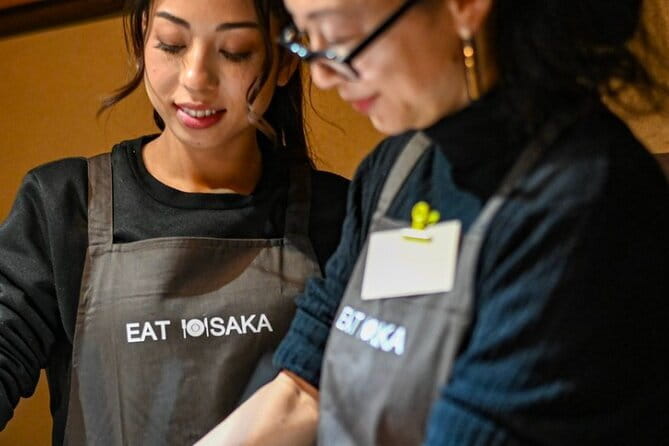
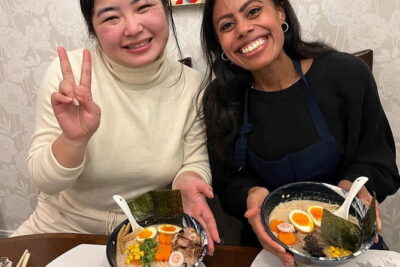
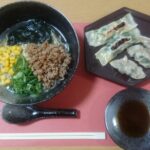
Your included lunch features ramen in a soy sauce-based soup with pork toppings. In the class setting, the ramen portion isn’t just about assembling a bowl. It’s about understanding the flavor foundation and how the toppings fit into the final taste.
You’ll cook together as a group with Ayumi guiding you through the process. Even if you’ve eaten ramen a hundred times, learning it this way usually hits a different nerve: you start to notice how seasoning builds, how the soup is balanced, and how the topping changes the overall bite.
A practical tip for you: try to pay attention to the moment you taste during prep. That’s when the class becomes useful beyond eating. If you can remember what the soup tastes like before it’s finished, you’ll be much more likely to reproduce it later instead of just following a printed recipe.
Making gyoza: homemade wraps plus pork and beef with vegetables
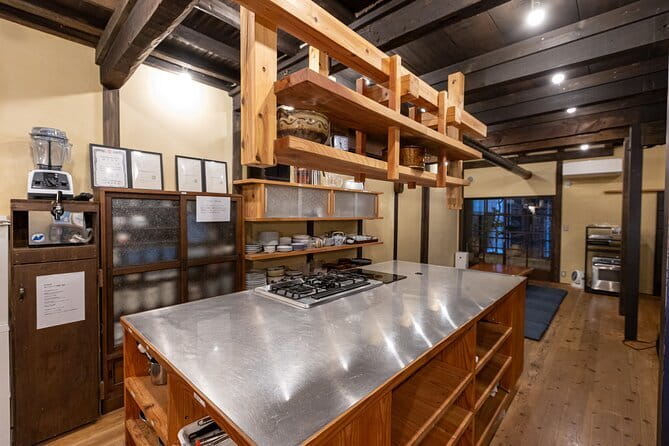
Next comes the gyoza. This part of the meal is the star for a lot of people, because you’re making something that’s easy to buy but harder to truly replicate.
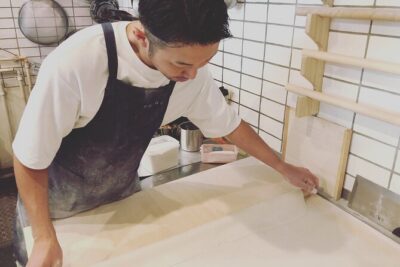
You’ll learn how to make homemade wrap gyoza and fill them with a mix that includes pork/beef and vegetables. Working with the dough and shaping the dumplings is where the “hands-on” part really earns its keep. You feel the texture, see how the filling holds, and learn the practical handling that makes gyoza nicer at home.
There’s also a social side to this. Because the class is small, you can often compare your technique with others. One person might fold faster, another might get the pleats a little neater. That exchange turns the cooking into a shared experience instead of a solo task.
Even if you don’t want to become a gyoza chef, you’ll likely leave with the key mental model: how to build a dumpling that tastes good and cooks properly. That’s what makes this class worth doing even if you’re not a confident cook.




Lunch together: eating what you made, and trading food culture

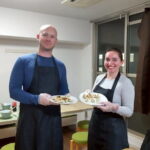
The class wraps with you eating together. You’ll have ramen and gyoza that are part of the plan from the start, so you’re not waiting around while someone else cooks for you. This is one of the best ways to learn, because tasting immediately after cooking makes the lessons stick.
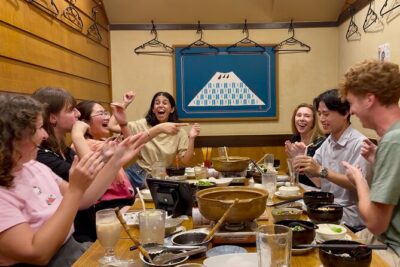
Ayumi also encourages exchanging food cultures and customs while you cook and eat. That may sound like “nice talk,” but it’s actually helpful. When people share what they grew up eating, you hear which flavors they recognize instantly, and which ones they had to learn. That can guide how you remember the technique later.
It’s also a good moment to ask follow-up questions. If you’re already thinking about cooking at home, this is when you’ll get the most useful answers. For example, you can ask about ingredient substitutions when something is hard to find in your country. (You just need to be clear about what you’re trying to replace.)
The origami chopstick set is handed out for all participants, and it’s a small reward that also reminds you this wasn’t just a meal. It’s a skill-building session with a thoughtful finish.
Ayumi as a teacher: warm, organized, and surprisingly practical
In the reviews, Ayumi comes up again and again as warm and friendly, with English that people described as perfect. The vibe is not stiff. It feels like hanging out with someone who genuinely likes cooking and genuinely likes sharing it.
But warmth alone doesn’t make a class useful. The practical value is that she’s organized, and she teaches in a way that helps you leave knowing you can repeat what you learned. One reviewer put it simply: they went home able to make everything for friends.
Ayumi’s background in home cooking also matters. She teaches from lived experience, not just from a cookbook. And her dietary education certification signals she’s paying attention to how ingredients work in the body, not only how they taste.
If you have dietary restrictions, you should use that info proactively. Tell Ayumi at booking what you need to avoid. The class states they’ll do their best to accommodate, but you’ll get the best results when you communicate clearly early.
Price and value: what $93.44 buys you (and why it may be fair)
At $93.44 per person, this isn’t a cheap snack-and-chat. But you are paying for several things that usually cost more separately:
- Instruction from a trained local teacher who guides you while you cook
- Lunch included, made from what you prepare: soy sauce ramen with pork toppings, plus gyoza with homemade wraps and pork/beef-vegetable filling
- A small group size that helps you learn instead of just watch
- A venue with a renovated 90-year-old house atmosphere, which is part of the experience quality
Also note the demand indicator: on average, it’s booked about 38 days in advance. That suggests slots can fill, so if you’re serious about doing it, don’t wait until the last week of your trip.
If you compare the cost to paying for ramen and gyoza plus a separate cooking workshop, the value often gets easier to justify. Here, you’re getting both the eating and the skill-building in one package.
Shared class vs private: who should choose which
You can book a shared class or a private class. Private classes aren’t offered through the standard booking flow; you’ll need to contact the provider directly for a private booking.
There’s one key detail for families: children under 6 should book a private class. That’s practical. A private session gives the flexibility a young child may need and avoids disrupting group pacing.
If you’re traveling solo or with a partner and you like meeting people, the shared class makes sense. With the group capped at 6, it doesn’t feel awkwardly crowded.
If your needs are specific—dietary restrictions that require careful planning, or you just prefer one-on-one attention—then private is the safer choice.
Who this Osaka class suits best (and who might want a different plan)
This experience is a strong fit if you want:
- A hands-on cooking skill in Osaka, not just a tasting walk
- An English-friendly class with organized guidance
- A calmer, more home-like setting in a renovated old house
- Lunch that’s included and made from scratch in the session
It may be less ideal if:
- You’re mainly interested in big-ticket sights and want minimal time in one place
- You need an exact menu that matches a strict diet, and you’re not comfortable confirming details during booking
- You want a very short event; this is nearly three hours
If you have allergies, don’t assume “best effort” means full certainty. Communicate early and clearly. Also keep your own safety in mind as you decide what to eat.
FAQ
FAQ
Is the ramen and gyoza class taught in English?
Yes. The cooking class is offered in English.
How long is the class?
It runs for about 2 hours 45 minutes.
What food is included in the lunch?
You’ll have ramen in a soy sauce-based soup with pork toppings, and gyoza with homemade wrap and pork/beef and vegetable fillings.
What is the group size?
The class has a maximum of 6 travelers.
Can they accommodate allergies or dietary restrictions?
You should tell them about food allergies or restrictions when booking. They will try their best to accommodate.
Does the class include cooking and eating together?
Yes. You’ll cook together with the instructor and then enjoy the meal together.
Are private classes available?
Private classes are available, but you need to contact the provider directly to book.
What about children under 6 years old?
Children under 6 should book a private class.
Where is the meeting point?
The meeting point is 6 Chome-13 Tanimachi, Chuo Ward, Osaka, 542-0012, Japan.
Is transportation included?
No, private transportation is not included.
Final call: should you book this ramen and gyoza class?
If you want a memorable Osaka food experience that teaches you real technique, I’d book this. The small group size, English instruction, and the fact that you make both ramen and gyoza (then eat them) is a winning mix. Add in Ayumi’s warm, organized teaching style and the quiet renovated 90-year-old house setting, and you get a day that feels special without feeling complicated.
I’d think twice only if you’re very short on time, or if your dietary needs are complex enough that you’re unsure they can accommodate. If that’s your situation, send your details at booking and get clarity early.