REVIEW · OSAKA
Ramen-Making Experience in the Osaka Castle Area with Souvenir
Book on Viator →Operated by Ramen Making Studio · Bookable on Viator
Ramen starts with flour, not packets. In this small-group class near Osaka Castle, you make ramen from scratch—noodles, chashu, and soup base—with English-speaking instructors in about two hours. I especially like the chance to pick your flavor base (tonkotsu, shoyu, or miso) and the fact that you get truly hands-on with key steps. The main thing to consider is the price: at $85.39, you should treat this as a full experience (not a quick snack stop), and plan your day around the two-hour session.
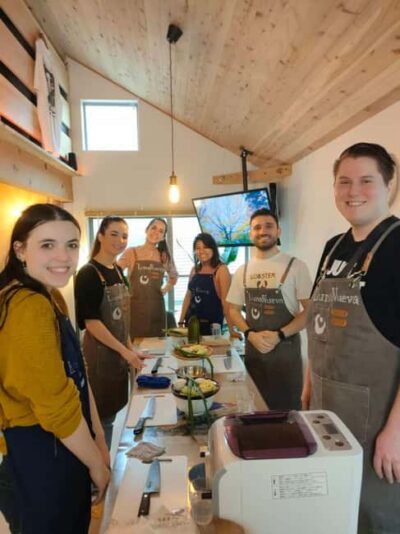
This one works well even if your cooking skills are rusty. It’s family-friendly, open to all skill levels, and capped at a maximum of 8 people, so you’re not lost in a crowd. It also has a mobile ticket and a meeting point that’s easy to reach from multiple stations, plus a walking option from the Osaka Castle area.
In This Review
- Key Highlights You Should Know
- Osaka Castle Area: Getting to the Ramen Studio Without Stress
- The 2-Hour Flow: What You Actually Do in Class
- Choosing Tonkotsu, Shoyu, or Miso: A Real Flavor Decision
- Noodle Pulling and Chewy Texture: The Technique Lesson You’ll Remember
- Chashu: Why This Step Makes the Bowl Feel Complete
- The Studio Experience: Ramen-Themed Photos and Real Japanese Touches
- Price and Value: Is $85.39 Worth It?
- When to Go: Morning vs Late Afternoon Classes
- Who This Class Is Best For (And Who Might Skip It)
- Quick FAQ for Planning Your Ramen Day
- FAQ
- How long is the ramen-making class?
- How many people are in the group?
- What soup bases can I choose from?
- Is the class family-friendly?
- Are the instructors able to communicate in English?
- Where is the meeting point, and how far is it from Osaka Castle?
- Will I get a digital ticket?
- Is there a souvenir included?
- Should You Book This Ramen-Making Class Near Osaka Castle?
Key Highlights You Should Know

- Make ramen from scratch: noodles, chashu, and the soup base are part of the lesson
- Choose your soup style: tonkotsu, shoyu, or miso based on well-known ramen shop recipes
- English-speaking, real-time help: instructors answer questions as you cook
- Small group (max 8): more attention during noodle pulling and sauce choices
- You get a take-home souvenir at the end of class
Osaka Castle Area: Getting to the Ramen Studio Without Stress

The big advantage here is location. The studio sits within walking distance of Osaka Castle, roughly a 20-minute walk. If you’d rather avoid a longer stroll, you’ve got several nearby train options, all listed as under 10 minutes:
- Tenmabashi Station, Exit 13 (about 10 minutes)
- Minamimorimachi Station, Exit 6 (about 10 minutes)
- Tenmangu Station, Exit 7 (about 5 minutes)
That matters because Osaka can move fast. If you build your day with this class in mind, you’ll spend less energy figuring out transit and more time enjoying the cooking and the area itself.
Also, the meeting point is the same place you return to after class. That keeps things simple: you’re not sent across town at the end, and you can plan dinner around where you started.
You can also read our reviews of more tours and experiences in Osaka.

The 2-Hour Flow: What You Actually Do in Class
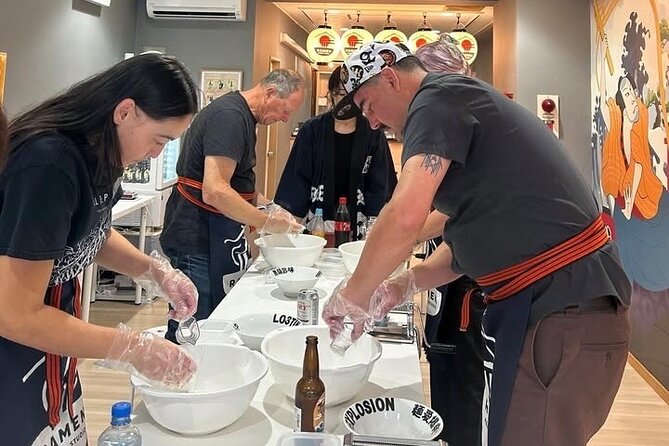
This is not a watch-and-clip-your-coupons type of experience. You get hands-on practice making ramen from scratch, and the lesson covers the main building blocks that make ramen feel like ramen.
Here’s the core sequence you should expect:
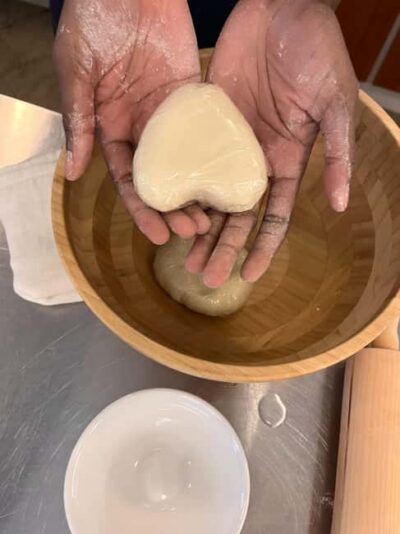
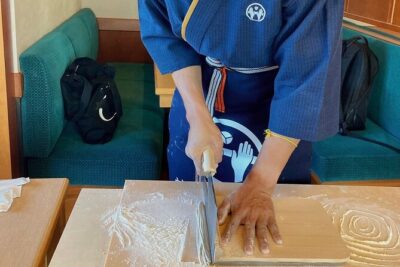
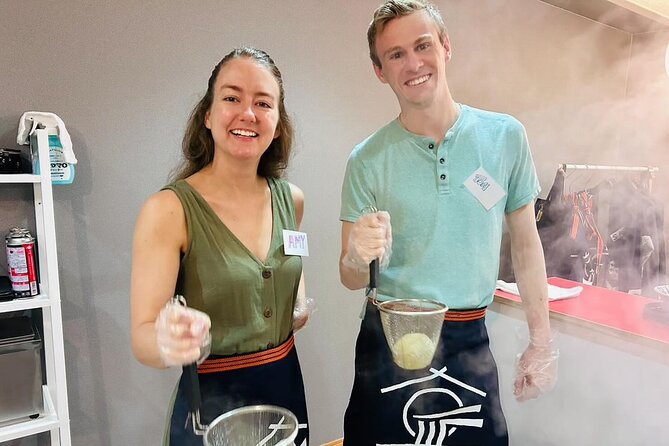
First, you work on noodle making. You use Japanese wheat flour made specially for ramen to create your own noodles. The class focuses on freshness and texture, and the goal is chewy noodles—not something you’d get from a store packet.
Next comes chashu making. You prepare tender, juicy chashu using chicken simmered in an original broth. This part is useful even if you’re not trying to recreate ramen at home perfectly. You’ll learn how slow simmering changes texture, and what “tender” actually looks like as you go.
Then you make the soup base and choose your flavor. You’ll pick from tonkotsu, shoyu, or miso, using secret recipes inspired by well-known ramen shops. This is where you start thinking like a ramen cook: broth style isn’t a small preference. It changes the whole feel of the bowl.
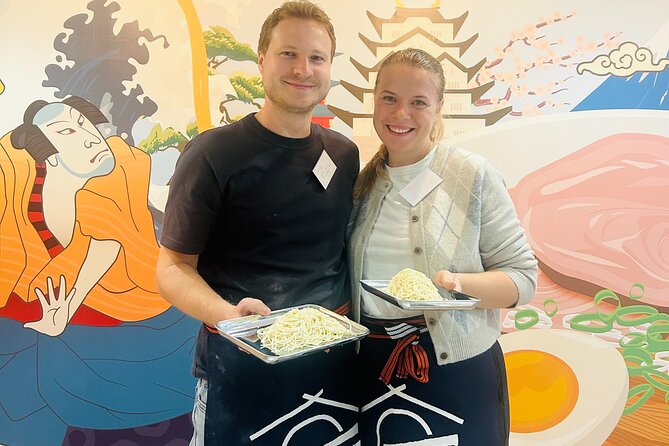
Finally, you get to enjoy the finished ramen—your own bowl made through the steps above. The class is designed so the work you do doesn’t just disappear into the kitchen. You get to taste what you made.
Choosing Tonkotsu, Shoyu, or Miso: A Real Flavor Decision
One of my favorite parts of this class is that you don’t just pick an add-on at the end. You choose a soup base early enough that it affects the way you experience the entire bowl.
You can select:
- Tonkotsu: creamy, rich style
- Shoyu: soy sauce based
- Miso: savory and hearty
Because each base follows secret recipes attributed to ramen shops, it’s not just generic home-cooking. You’re learning how cooks build distinct character. If you’re the type who normally orders ramen by vibe—rich versus light, hearty versus sharp—this choice turns that into a hands-on experiment.
Practical tip for your decision: if you want comfort and depth, tonkotsu is the obvious anchor. If you like something classic and grounded, shoyu is often the safest pick. If you want a fuller, warmer flavor punch, miso tends to satisfy.
Noodle Pulling and Chewy Texture: The Technique Lesson You’ll Remember
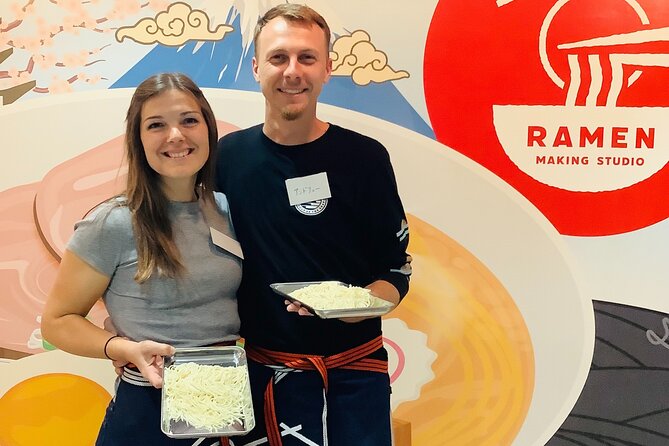
The class calls out one specific skill that makes ramen feel like ramen: making fresh noodles so they turn chewy. You create noodles from Japanese ramen flour, and you learn through doing—especially around the process of pulling fresh noodles.
Even if you’ve never cooked with ramen flour before, you’ll come away with a better sense of what “right” texture looks and feels like while you’re working. That’s the kind of skill you can bring back home, even if your tools and ingredients differ.
This is also where the small group size helps. With a maximum of 8 people, you’re more likely to get help when something doesn’t go as planned. And since the instructors are English-speaking and can answer questions in real time, you’re not stuck guessing.
Chashu: Why This Step Makes the Bowl Feel Complete
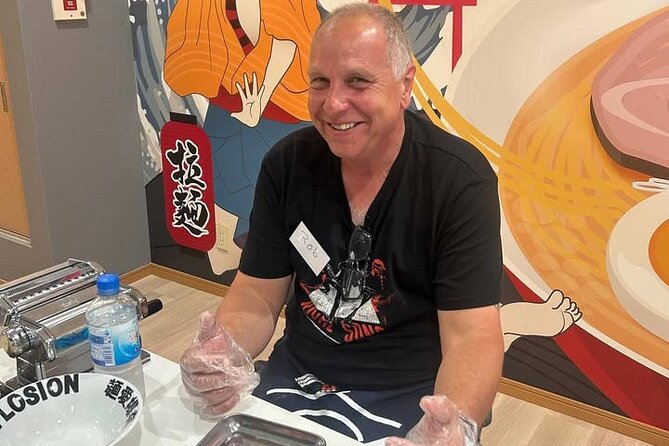
A lot of home cooks can make broth. Fewer can make the kind of chashu that gives ramen its signature satisfaction. This class addresses that by focusing on tender, juicy chashu made from chicken simmered in an original broth.
What I like about this step is that it teaches patience without turning into a long lecture. You get a clear role in preparing the meat and understanding how simmering affects tenderness. Even if you don’t recreate the exact recipe later, you learn the principle behind the result.
That principle carries over beyond ramen. You’ll have a better mental model for why long, gentle heat changes meat texture—something you can apply to other dishes.




The Studio Experience: Ramen-Themed Photos and Real Japanese Touches
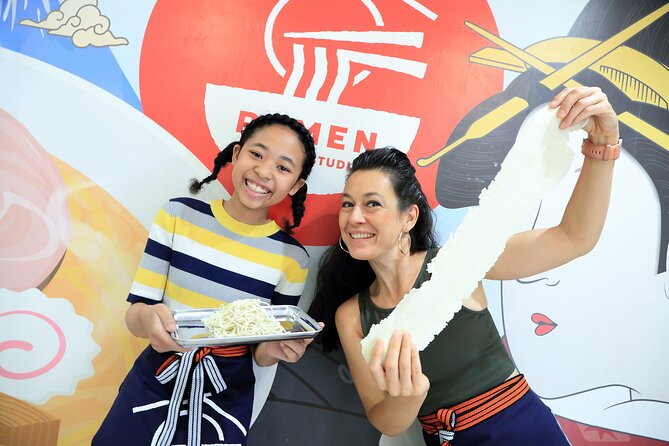
The venue itself is part of the fun. The studio has walls decorated with ramen and Japanese motifs, designed for memorable photos. It’s the kind of place where you can step inside and immediately feel you’re doing something specific—ramen, not generic cooking class.
There’s also a neat detail near the entrance: a glass door made more than 100 years ago using a technique that no longer exists. That gives the space a sense of age and craft, not just themed décor.
Inside, you’ll also find items reflecting Japanese culture, which the staff introduce during your visit. This matters because it keeps the experience from becoming purely culinary. You get a little context around what you’re tasting and making.
One more note: staff may take photos and videos and use them on social media or for advertising. If you’d rather not be included, tell the staff before the experience begins.
Price and Value: Is $85.39 Worth It?
At $85.39 per person, this class isn’t trying to be cheap. It’s priced like an active, guided workshop that includes multiple components of ramen making.
Here’s why it can still be good value:
- You learn several major ramen steps: noodles + chashu + soup base, not just one
- You work with ingredients like Japanese wheat flour made for ramen
- English-speaking instruction means you can ask questions while you cook
- You get to eat a bowl you helped make, plus a take-home souvenir
- The group is small (max 8), which usually improves the quality of guidance
If your goal is to eat and move on, you can find cheaper ramen in Osaka. But if your goal is skills, experience, and a hands-on food memory you can repeat, this price starts to make sense.
Also, consider timing value. Two hours can be a perfect slot in a travel day: you get a structured activity, warmth during colder hours, and a meal built into the class plan.
When to Go: Morning vs Late Afternoon Classes
You can choose between morning or late afternoon classes. That flexibility helps because it lets you match the cooking session to your sightseeing rhythm.
Morning works if you want ramen as your early-day anchor. Late afternoon fits travelers who like to do a few sights first and then switch into a cozy, focused activity before dinner.
Either way, you’re in a studio setting for about two hours, so it’s a strong choice when Osaka weather is unpredictable or when you want something indoors.
Who This Class Is Best For (And Who Might Skip It)
This experience fits best if you:
- Want hands-on cooking, not just a demo
- Care about learning ramen fundamentals like noodles and broth styles
- Travel with kids or mixed skill levels (it’s family-friendly and open to all skill levels)
- Prefer small groups where instructors can help without rushing
You might skip it if you:
- Only want a quick meal and would rather spend your time and money on sampling ramen shops
- Don’t enjoy structured activities with guided steps
If you’re somewhere in the middle, I’d still lean toward trying one class. Ramen is one of those foods where the process is the payoff.
Quick FAQ for Planning Your Ramen Day
FAQ
How long is the ramen-making class?
The class lasts about 2 hours.
How many people are in the group?
The class has a maximum of 8 travelers.
What soup bases can I choose from?
You can choose tonkotsu, shoyu, or miso.
Is the class family-friendly?
Yes. The class is family-friendly and open to all skill levels.
Are the instructors able to communicate in English?
Yes. The class uses English-speaking instructors who can answer questions in real time.
Where is the meeting point, and how far is it from Osaka Castle?
The meeting point is in Higashitenma (Osaka, Kita Ward, address provided by the organizer). The studio is within walking distance of Osaka Castle, about 20 minutes, and nearby train stations are under 10 minutes away.
Will I get a digital ticket?
Yes. It uses a mobile ticket.
Is there a souvenir included?
Yes. You receive a souvenir at the end of the class.
Should You Book This Ramen-Making Class Near Osaka Castle?
I’d book it if you want a memorable Osaka food experience that’s more than tasting. The real win is the combination: you make noodles, chashu, and soup base, then you eat your own finished ramen. Add small-group attention, English help, and a studio that feels intentionally Japanese rather than generic, and you get a strong blend of food skill plus culture.
If you’re deciding between this and another ramen stop, pick based on your mood. If you want to learn, go for the class. If you just want variety and speed, stick to ramen shop hopping. Either way, Osaka rewards you—but this workshop rewards you in a different way. You leave with a bowl in your hands, plus a take-home reminder that you made the core of ramen yourself.