REVIEW · OSAKA
Osaka Market Tour & Cooking Class with Local Expert Masato/Shohei
Book on Viator →Operated by Traveling Spoon · Bookable on Viator
A good cooking class gets you past the recipe card. This one blends a short market walk with a hands-on session led by chefs like Masato or Shohei. You learn ingredients and Japanese technique first, then sit down to eat what you made, finishing with tea.
I especially like that the sushi option is real training, not just assembly. You work with classic items such as tamagoyaki and Wagyu beef, plus seasonal vegetables, and raw fish is explicitly not included. The other win is the teaching style: the class is built for questions and pacing, and allergy checks are taken seriously.
One drawback to consider: it is a shared class with a maximum of 13 people, so you should be ready to cook alongside others rather than getting one-on-one attention.
In This Review
- Key Highlights You’ll Feel During This Osaka Class
- Osaka Markets Teach You What Recipes Don’t
- Meeting at Matsuyamachi Station: Easy Start, Clear Goal
- Karahori Shotengai Market Tour Option: 30 Minutes, Real Ingredients
- Chef-Led Cooking Class in Osaka: From Basics to Finished Dishes
- Sushi-Making Details That Make This Class Worth It
- The Meal and Tea: Eating Your Work Like a Local
- Price and Value: What $120 Really Buys You
- Dietary Needs and Allergy Checks: Built for Requests
- Who Should Book This Osaka Market and Cooking Class
- Should You Book This Tour?
- FAQ
- How long is the Osaka cooking class?
- Where do I meet for the tour?
- What’s included in the price?
- What dishes can I make?
- Is raw fish included in the sushi option?
- Do you offer a market tour before cooking?
- Can the class accommodate dietary restrictions or allergies?
- What is the group size?
- What is the cancellation policy?
Key Highlights You’ll Feel During This Osaka Class
- Karahori Shotengai market stop (optional): a covered street with small stalls and a focused 30-minute guided browse
- Chef-led, hands-on cooking: you make multiple dishes from scratch with active guidance
- Sushi option without raw fish: ingredient-led sushi skills using items like tamagoyaki and seasonal veg
- Finish with tea: you eat the results as a proper meal, not just snack breaks
- Dietary needs handled on request: lactose free, gluten free, vegetarian, and vegan can be accommodated
Osaka Markets Teach You What Recipes Don’t
Osaka has a reputation for food you can feel in your stomach. This experience turns that reputation into skills you can use at home. The structure matters: you do the market part first (if you select it), then you cook with a clear sense of what ingredients are doing in the final dish.
Even if you just think you like Japanese food, you’ll come away with a better sense of why things taste the way they do. That is the quiet magic here: your brain connects ingredients to technique. When you later buy things like shiitake mushrooms or bamboo shoots, you will know what role they play instead of treating them like random pantry props.
You can also read our reviews of more tours and experiences in Osaka.
Meeting at Matsuyamachi Station: Easy Start, Clear Goal
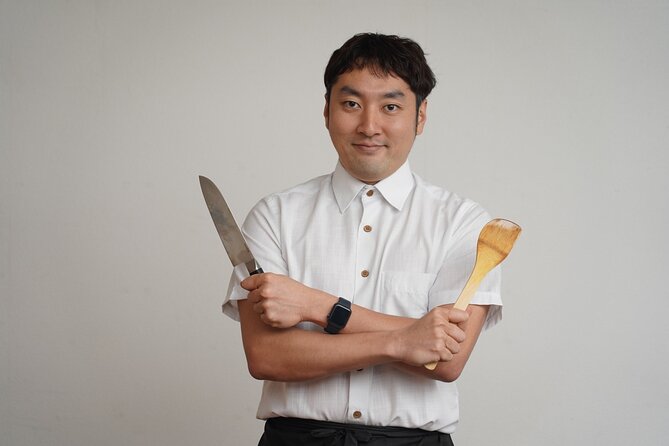
You meet at Matsuyamachi Station, in the Chuo Ward area of Osaka. The exact spot is listed near 2 Chome-6 Andojimachi (so yes, you’ll want to double-check the meeting pin on your phone). The good news: it is near public transportation, and the tour ends back at the same meeting point.
The time you give up is about 2 hours 30 minutes. That is enough time to learn, cook, and eat without feeling like your whole day disappears into a kitchen. If you’re trying to pack Osaka tightly, this timing is practical.
Karahori Shotengai Market Tour Option: 30 Minutes, Real Ingredients
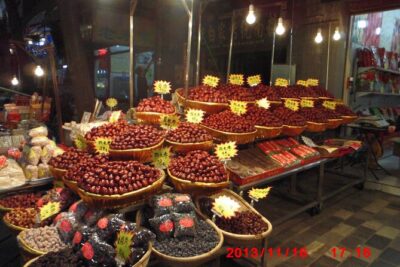
If you choose the market tour option, your host takes you to Karahori Shotengai, a covered shopping street with small stalls selling vegetables, fresh food, and condiments. The market portion is about 30 minutes, so it is not a long wandering festival.
What you should expect from a time-limited market stop like this: focused guidance. You are not there to buy souvenirs. You are there to learn what to look for, what to ask about, and which ingredients matter for the dishes you will cook later.
Why that matters: when you step into the kitchen, you are not guessing. You already know what ingredients you picked up, what they look like at market quality, and why the chef might choose one ingredient over another. Also, you avoid the common travel mistake of buying stuff you cannot use.
Chef-Led Cooking Class in Osaka: From Basics to Finished Dishes
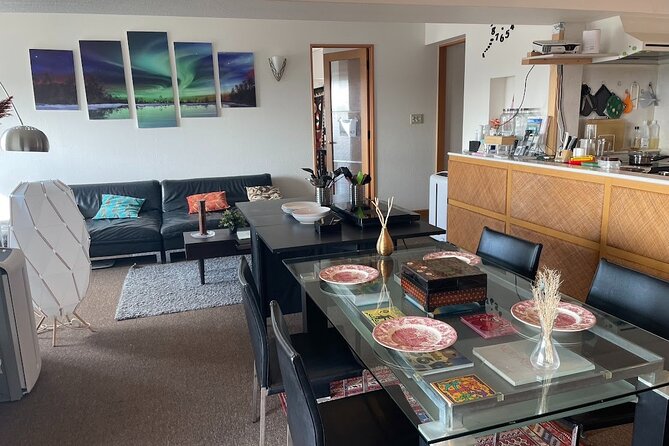
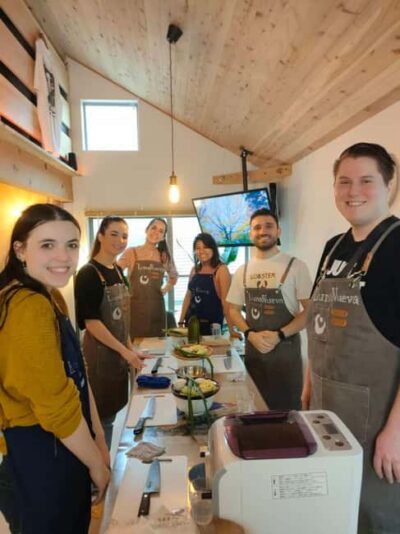
After the market stop (or straight into the class if you skip it), you move into the hands-on cooking part with your host chef. The class is shared, and the maximum group size is 13. That usually keeps things friendly and active, but it also means you should expect some waiting for shared tools and stations.
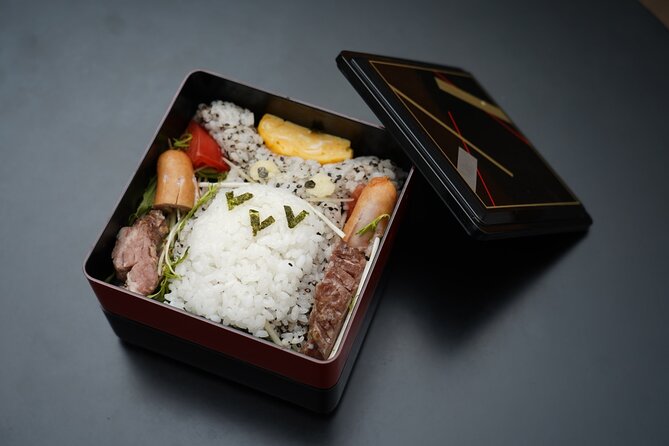
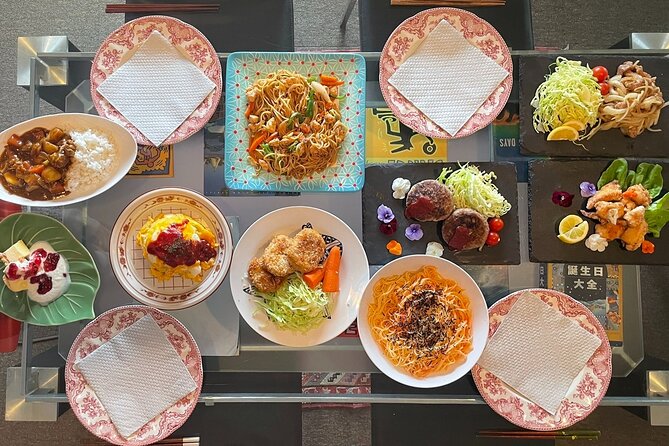
You’ll learn to prepare three authentic Japanese dishes from scratch. The exact menu can vary based on what you pick when booking, but common options include sushi, character bento boxes, or Japanese curry rice. If you do not choose, the default class is sushi-making.
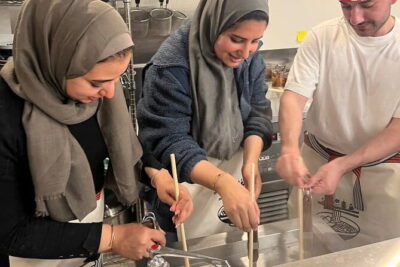
The teaching is built around more than steps. The focus is on technique and cultural context: how Japanese cooking balances flavors, how texture matters, and how the workflow works when multiple dishes are happening at once. You can ask questions as you go, and that is where this type of class becomes way more valuable than a basic demo. The chef is guiding your hands, not just pointing from a distance.
Sushi-Making Details That Make This Class Worth It
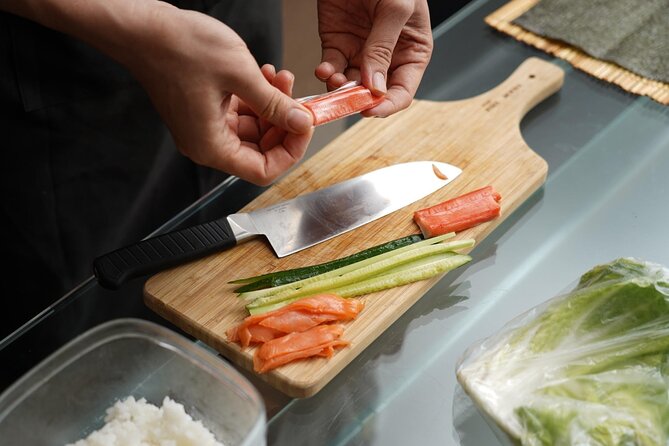
The sushi option is where a lot of value lives, especially if you have ever tried rolling at home and created a rice crime scene. Here’s the key point: raw fish is NOT included. That makes the class easier to manage and more predictable for food comfort.
You work with a curated set of ingredients such as tamagoyaki (rolled Japanese omelet), Wagyu beef, and seasonal vegetables like lotus root, bamboo shoots, and shiitake mushrooms. Even if you usually think of sushi as raw-fish-only, this menu shows you the broader logic of Japanese sushi-style flavors and fillings.
Practical benefit for you: you’ll learn how to handle ingredients that are cooked or prepared, so your focus stays on technique like seasoning, assembly, and getting the balance right. And because you’re working with seasonal produce, you’ll see how Japanese cooking shifts with the calendar instead of treating ingredients as interchangeable.



The Meal and Tea: Eating Your Work Like a Local
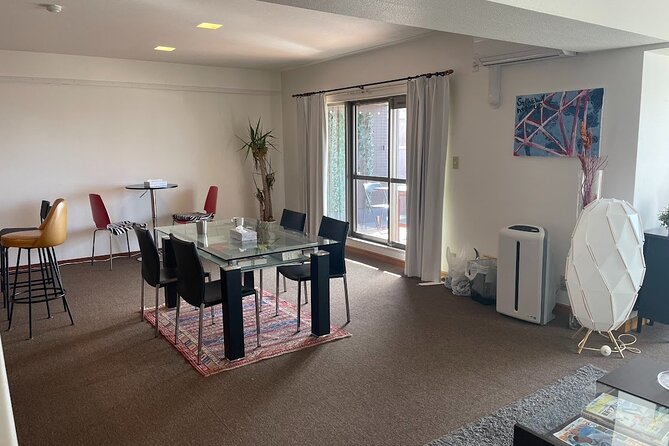
Once the cooking wraps, you sit down and enjoy the meal you made. That part sounds obvious, but it changes the experience. When you taste what you built, you instantly learn which adjustments would help next time. It also gives the chef feedback that you understand the point of the dish.
The class finishes with tea, which is a nice clean landing. Think of it as a moment to slow down after hands-on work. If you’re a foodie, this is also when you can ask one last round of questions without rushing back into sightseeing.
From past participants, the teaching tone is often described as patient and question-friendly. That matters because Japanese cooking skills are small, precise things—heat control, texture, and seasoning balance. If you get stuck, the right host helps you fix it rather than moving on.
Price and Value: What $120 Really Buys You
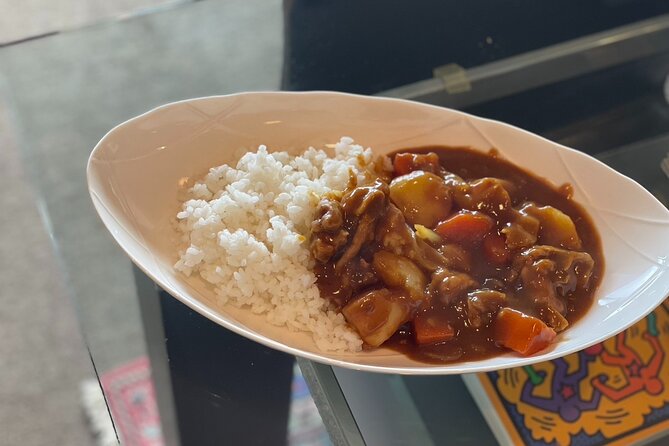
At $120 per person, you’re paying for more than ingredients. You’re paying for chef time, instruction, and a structured lesson that ends with a home-style meal. You’re also getting at least a portion of the market experience if you choose it.
This is not the cheapest way to eat in Osaka. But it can be great value when you weigh it against typical costs of a nice meal plus a market browse plus a cooking lesson that includes guidance and a take-home understanding of technique. Also, the class is limited to 13 people, which usually keeps the experience manageable.
What is not included is important: hotel pickup/drop-off is not part of the deal, and market purchases are on you. Plan to either arrive on your own using public transit or factor in a short walk from a nearby station.
Dietary Needs and Allergy Checks: Built for Requests
You can request accommodations for dietary needs, including lactose free, gluten free, vegetarian, and vegan. If you have allergies or specific dietary restrictions, you should advise the provider at booking. That keeps the menu safe and realistic.
One reason this matters for your planning: Japanese kitchens often handle ingredients with shared tools and sauces. A cooking class that clearly asks about allergies up front gives you a better chance of eating with confidence during the meal.
Who Should Book This Osaka Market and Cooking Class
This is a smart pick if you want food knowledge that sticks. You’ll enjoy it most if you like hands-on learning, asking questions, and going beyond eating to understanding how dishes are built.
It also works well if you’re traveling with others. The shared format can be fun if you’re the type who likes talking and comparing what you’re doing at your station. And because it is a short class, it fits into a normal day without wrecking your schedule.
You might skip it if you want a very quiet, private setting, or if you’re only interested in gourmet restaurant eating rather than learning a process. Also, if sushi is your dream but you specifically want raw fish in the lesson, this is not the right match since raw fish is not included.
Should You Book This Tour?
Book it if you want a practical Osaka experience: a guided look at ingredients, a chef-led lesson, and a meal you actually made. The best part is that the training is designed to teach you technique you can reuse, like how Japanese ingredients work together and how sushi-style assembly is built.
Skip it if your goal is only to sample food and you do not care about learning anything hands-on. For pure sightseeing days, the time might feel too “in the kitchen.”
If you do book: pick your menu preference when you book. If you want sushi, you’ll still get a full learning experience even without raw fish, and the ingredient list gives you a clear picture of what you’ll be working with. And come with one or two questions in mind, because this kind of chef-led class rewards curiosity.
FAQ
How long is the Osaka cooking class?
It runs for about 2 hours 30 minutes.
Where do I meet for the tour?
You meet at Matsuyamachi Station (near 2 Chome-6 Andojimachi, Chuo Ward, Osaka, 542-0061, Japan). The tour ends back at the meeting point.
What’s included in the price?
The shared cooking class includes a homecooked Japanese meal. If you choose the market tour option, you also get a guided visit to Karahori Shotengai market.
What dishes can I make?
You can make three authentic Japanese dishes from scratch, and the specific menu depends on what you choose when booking. If you don’t specify a preference, the default is sushi-making. Options may include sushi, character bento boxes, or Japanese curry rice.
Is raw fish included in the sushi option?
No. Raw fish is not included in this class.
Do you offer a market tour before cooking?
Yes, if you select the market tour option. Your host takes you to the nearby Karahori Shotengai market for about a 30-minute guided visit.
Can the class accommodate dietary restrictions or allergies?
The provider can accommodate lactose free, gluten free, vegetarian, and vegan diets on request (and you should share allergies, restrictions, or cooking preferences when booking).
What is the group size?
The tour has a maximum capacity of 13 travelers.
What is the cancellation policy?
You can cancel for free up to 24 hours in advance for a full refund. Changes made less than 24 hours before the start time are not accepted, and refunds are not offered if you cancel within 24 hours.