REVIEW · OSAKA
Making Soba noodles at Temple
Book on Viator →Operated by 善-zen- · Bookable on Viator
Quiet soba lessons taste better in a temple. In Osaka, you’ll do hands-on soba making in a historic temple setting, then visit the main hall and Buddha statue before you eat what you made.
I like that this is run with a small team and is private, so your group gets calm, focused time instead of feeling rushed. I also love the payoff: you sample soba you made yourself, then enjoy it in a Japanese-style setting with the snacks provided.
One big thing to consider: the noodles are made using buckwheat flour, so allergies matter.
In This Review
- Key highlights to look for
- Temple Soba in Osaka: Quiet Food Work That Feels Personal
- Two Hours of Soba: What You’ll Do From Start to Finish
- Meet Hiro: The Small-Team Teaching Style That People Remember
- The Soba You Make: What Included Snacks Really Mean
- Temple Time Beyond the Lesson: Main Hall and Buddha Statue Visits
- Price and Value: Is $68.29 a Fair Deal?
- Where You Meet: Shitaderamachi Practical Tips
- Who This Soba Class Suits Best
- The Booking Window: When to Plan It
- Should You Book It? My Decision Checklist
- FAQ
- How long is the soba making experience?
- What is the price per person?
- Where is the meeting point?
- Is transportation included?
- Is this a private tour?
- What is included in the experience?
- Does the experience include buckwheat, and is it safe for allergies?
- What happens if the weather is bad?
- What is the cancellation policy?
Key highlights to look for
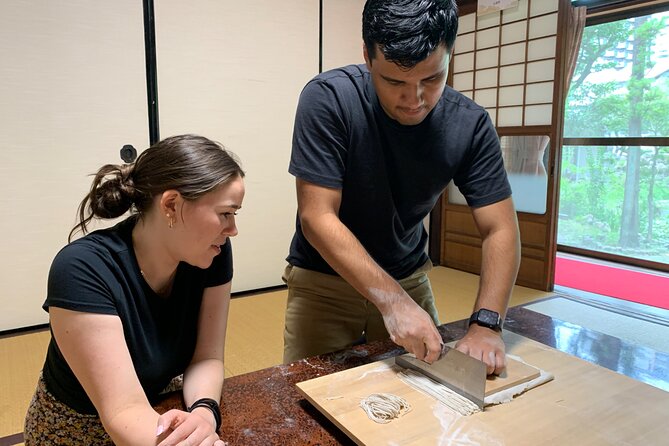
- A private group class in a calm temple gives you a quieter vibe than most food experiences in Osaka.
- Hands-on soba making with time to actually sample the noodles you shaped.
- Hiro’s teaching style includes lots of support, plus photo sharing at the end (AirDrop).
- Temple time beyond the classroom includes the main hall and the Buddha statue.
- Free buckwheat allergy caution: this matters for safety more than anything else.
Temple Soba in Osaka: Quiet Food Work That Feels Personal
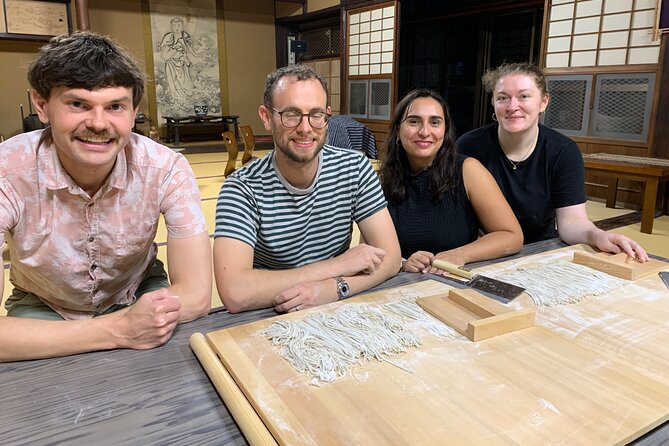
Osaka is loud and fast. This experience is the opposite. You’ll step into a calm historic temple setting for a short, guided lesson on soba noodle making, with a real temple visit mixed in rather than just a quick photo stop.
This is special because soba isn’t only something you buy and eat. It’s something you make with your hands, then taste immediately. That turns the whole thing into a memory you can actually explain later. You don’t just learn a technique. You leave with proof on your plate.
Another reason I think you’ll enjoy it: it’s structured for small, comfortable attention. The experience is run by a small team, and it’s private, meaning only your group participates. That matters because temple spaces work best when everyone isn’t constantly lining up or being herded.
Also, you’re in Osaka, not some far-off day trip. The meeting point is on Shitaderamachi in Tennoji Ward, and it’s described as near public transportation, so it’s easier to fit into a normal sightseeing day.
You can also read our reviews of more tours and experiences in Osaka.
Two Hours of Soba: What You’ll Do From Start to Finish
The class is about 2 hours. That’s long enough to learn and make a real batch, but short enough that it doesn’t swallow your whole day.
Here’s the flow you can expect based on what the experience includes:
First, you arrive at the meeting point on 1-chōme-3-68 Shitaderamachi, Tennoji Ward. You’ll get going from there, and the activity ends back at the same place. You’ll also use a mobile ticket, which keeps things simple once you’re on-site.
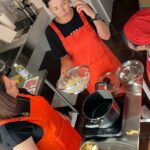
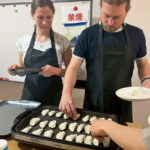
Then you’ll make soba at the temple. The focus is on hands-on soba making with a guide and small team support. Since this is private, you’re not competing for attention with strangers.
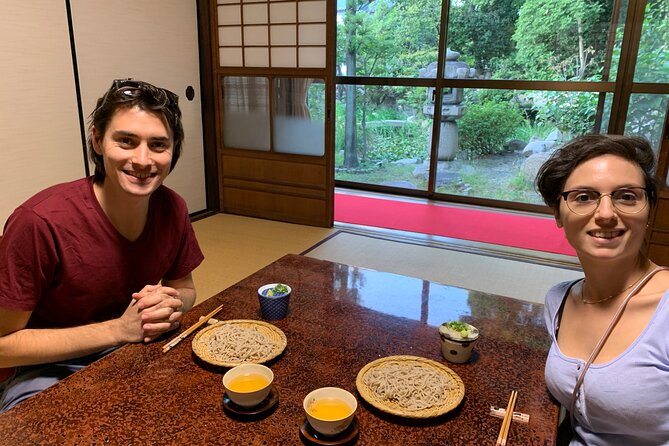
After the noodle making part, you sample soba you made yourself. The experience includes snacks soba noodles, and the idea is that you eat your work rather than just watching someone else plate it.
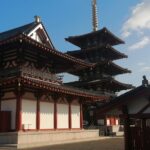
Finally, you’ll have time to visit the temple’s main hall and the Buddha statue. Reviews and the overview both point to this as part of the experience, so you get more than a cooking lesson. You get a calmer, respectful break inside an actual temple environment.
Quick consideration: the activity is described as requiring good weather. If weather isn’t cooperating, the organizer offers a different date or a full refund. So if you’re traveling in rainy season, don’t be stubborn—bring backup dates into your planning.
Meet Hiro: The Small-Team Teaching Style That People Remember
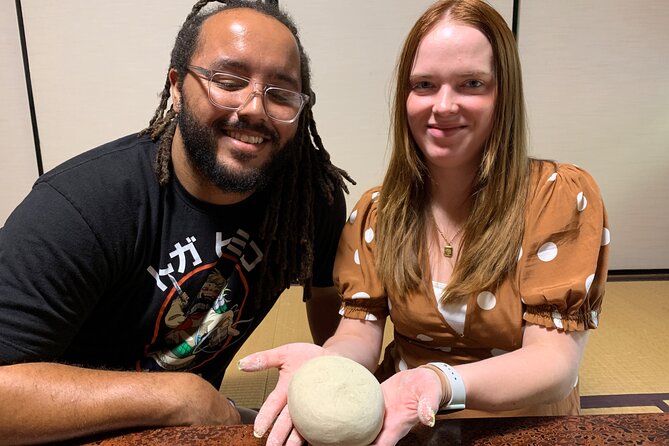
This isn’t a huge group workshop. It’s a small-team class, and in the feedback I’ve seen, the guide’s role makes a real difference.
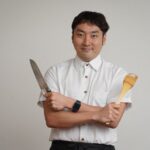
Hiro is specifically mentioned as an amazing teacher. What stands out is how hands-on and personal the experience feels. One review calls it essentially a private lesson with Hiro, and that matches the fact that your group is the only group participating.
There’s also a nice practical touch at the end. Hiro takes a bunch of photos during the lesson and AirDrops them afterward. That sounds small, but it solves a common travel problem: you’re busy learning and eating, so you don’t always get great shots of yourself doing the thing. Having photos sent right after means you don’t have to hunt for a selfie angle later.
In a temple setting, your tone matters too—calm, respectful, and present. A good guide helps keep that flow natural, so the experience stays serene instead of turning into a loud activity.
If you like classes where you actually work, not just watch, Hiro’s teaching approach is exactly what you want.
The Soba You Make: What Included Snacks Really Mean
The listing includes snacks soba noodles, and the overview highlights that you’ll sample the soba you make yourself. Translation: you’ll leave satisfied, not just informed.
That’s important for value. A lot of cooking lessons in big cities can feel like a short demo with a tiny taste at the end. Here, your work is the work you eat. So you’re paying for technique plus a meal-sized takeaway for your time.
Now, the soba itself has an ingredient reality check. Buckwheat is the key ingredient used in soba noodles made from buckwheat flour. The experience specifically warns that some people can’t eat it due to allergies. If you have any uncertainty, you should treat this as a hard stop. Don’t “hope it’ll be fine.” Buckwheat allergy isn’t the kind of thing you want to guess about.
If you don’t have allergies, this is a great way to understand what soba tastes like when it’s fresh enough to feel satisfying right away. Even if you’ve had soba in Osaka restaurants, there’s something different about tasting what you personally made minutes earlier. Your brain remembers the effort, so the food feels extra rewarding.
Temple Time Beyond the Lesson: Main Hall and Buddha Statue Visits
After you’ve made and tasted soba, you’ll also visit the temple’s main hall and the Buddha statue.
This matters because it changes the vibe. Many food experiences stop at the cooking. Here, your time includes a respectful temple visit, which makes the soba making feel grounded in place and tradition, not just in flavor.
Also, because it’s private and your group is the only one participating, the calm setting you’re looking for has a chance to stay calm. One review mentions the experience felt tranquil and that the group had the temple to themselves. While that can vary by day, the private format already supports that quieter feeling.
Practical tip: plan to dress like you’re entering a sacred space. That usually means modest, comfortable clothes that won’t make you feel awkward if you’re seated during instructions.
This temple portion is short compared with the full class time, but it provides context. You’re not only learning how to shape noodles. You’re also seeing the kind of place where Japanese food culture values patience, routine, and respect.
Price and Value: Is $68.29 a Fair Deal?
At $68.29 per person, this isn’t a bargain-basement activity. But it also isn’t priced like a luxury experience. The value comes from the mix of what you get:
- A 2-hour hands-on soba making class
- A private setting where only your group participates
- Snacks that are soba noodles
- Time to visit the temple main hall and Buddha statue
- A guide (Hiro is mentioned in feedback)
- Photos taken during the lesson and shared afterward
In practical terms, you’re paying for direct instruction and a complete experience loop: make, taste, then visit the site. For food-focused travelers, that’s usually where lessons earn their keep. If you want to learn a technique you can repeat later, the “do it yourself” part is the main cost driver—and it’s included here.
One cost factor you should not ignore: private transportation is not included. The activity is near public transportation, which helps. But if you’re coming from far outside central Osaka and you prefer taxis, add that transport cost to your planning. If you’re already walking around Tennoji or nearby areas, it’ll be smoother.
Also, the experience is described as requiring good weather. Weather isn’t your control, but it affects your schedule. If you’re tight on dates, it’s worth keeping flexibility in your plan.
Where You Meet: Shitaderamachi Practical Tips
Your start point is 1-chōme-3-68 Shitaderamachi, Tennoji Ward, Osaka. The activity ends back at that same meeting point.
Because it’s near public transportation, you won’t need a complicated transfer plan—just choose a route that gets you closest to that address and then expect a short walk.
Use your mobile ticket when you arrive. The mobile format is a real convenience in Japan where many places still prefer quick, clear check-ins.
One more practical note: because this is a calm temple class, don’t treat it like a flexible “sometime today” activity. I’d aim to arrive a bit early so you can settle your mind and get ready to focus.
Who This Soba Class Suits Best
This is a strong fit if you want something that feels Japanese, not just Japanese-themed.
You’ll probably love it if:
- You enjoy hands-on activities more than museum-style sightseeing
- You want a calmer break from Osaka’s usual pace
- Your group likes private, guided attention
- You want to eat what you make right away
- You’re interested in temple experiences in a respectful, low-stress way
It may not be the best match if:
- You have a buckwheat allergy or anyone in your group does
- You can’t adjust your plans for possible weather changes
- Your schedule is so packed that a focused 2-hour lesson is hard to protect
Family-wise, the feedback includes positive comments about doing it with family, which makes sense given the private format and the guided, structured flow.
The Booking Window: When to Plan It
On average, this is booked 47 days in advance. That’s a useful indicator: if you’re traveling during a busy season, you’ll want to secure your spot earlier rather than later.
If the date and time you want aren’t open, the info suggests contacting the provider. So don’t assume you’re out of luck—reach out if your schedule is fixed.
Should You Book It? My Decision Checklist
Book this soba making class if you want a practical, culturally grounded experience that ends in real food—food you shaped yourself—in a calm temple setting.
Here’s how I’d decide fast:
- If buckwheat isn’t an issue for your group, this is a great way to turn a “Japanese food” interest into an actual skill and a memorable meal.
- If you like private, small-team attention, you’ll feel the difference right away in how the lesson unfolds.
- If you’re flexible with weather and can handle a 2-hour block, the experience feels like good use of time, not a rushed side quest.
Skip or reconsider if weather disruption would ruin your schedule, or if buckwheat allergy is in play.
FAQ
How long is the soba making experience?
The experience runs for about 2 hours.
What is the price per person?
The price is $68.29 per person.
Where is the meeting point?
The start point is 1-chōme-3-68 Shitaderamachi, Tennoji Ward, Osaka, 543-0076, Japan.
Is transportation included?
No. Private transportation is not included.
Is this a private tour?
Yes. It’s a private tour/activity, and only your group will participate.
What is included in the experience?
Snacks are included, and they are soba noodles.
Does the experience include buckwheat, and is it safe for allergies?
The soba noodles are made from buckwheat flour, and the experience notes that some people may not be able to eat it due to buckwheat allergies.
What happens if the weather is bad?
The experience requires good weather. If it’s canceled due to poor weather, you’ll be offered a different date or a full refund.
What is the cancellation policy?
You can cancel up to 24 hours in advance for a full refund. Cancellations made less than 24 hours before the start time are not refunded.