REVIEW · OSAKA
Osaka Ramen Cooking Class “Learn here and make it at home”
Book on Viator →Operated by WashokuYanen · Bookable on Viator
Ramen isn’t just something you eat. It’s something you can learn, piece by piece, and walk away with a method you’ll actually use at home. What I like most is how hands-on the class feels, and how the instructors keep everything friendly and clear, even when you’re working from scratch. One thing to note: this is a cooking class, so you’ll want to come ready to roll up your sleeves and follow instructions closely.
The best part is the full arc of the experience: you start with prep, then cook ramen and fried gyoza, and finish by sitting down with what you made. The kitchen is in a convenient Osaka location, about a 5-minute walk from both Shinsaibashi and Honmachi on the Osaka Metro, but the area itself stays calm. My only consideration for some people is that the alcohol offer depends on age, so plan around that if you were hoping for sake or beer.
In This Review
- Key highlights to know before you go
- A central Osaka kitchen with calm, real-work energy
- The first 30 minutes: orientation, prep, and getting cooking fast
- Cooking ramen step by step: building the bowl you’ll remember
- Fried gyoza: crisping one side and using the dipping sauce
- The tasting hour: sit down with ramen and gyoza and drinks
- Language support that makes hands-on cooking easier
- Price and value: what $70 actually buys you
- Where this class fits in your Osaka plan
- Who should book (and who should think twice)
- Practical tips so your ramen night goes smoothly
- Should you book this Osaka ramen cooking class?
- FAQ
- What do I make in the class?
- How long is the experience?
- Is food and equipment included?
- Do I need prior cooking experience?
- Are vegetarian or vegan options available?
- Are sake and beer included?
Key highlights to know before you go
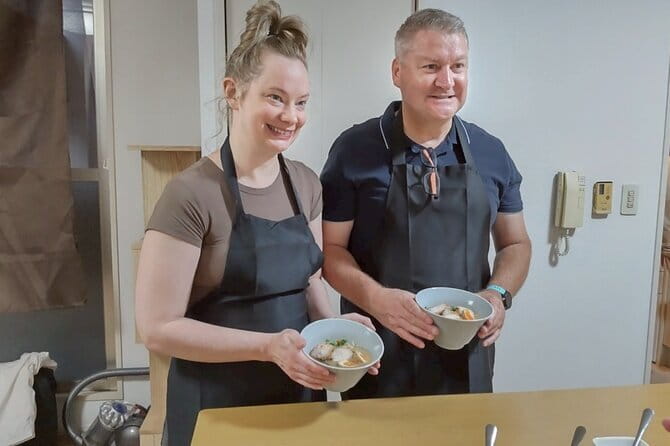
- Small group (max 8 people) means more attention while you cook.
- English/Japanese instruction, plus Spanish if requested, helps you feel comfortable at every step.
- You only bring yourself; aprons, gloves, tools, and ingredients are provided.
- Two classics, made from scratch: ramen (with toppings like pork, chicken, egg, and vegetables) and crispy fried gyoza.
- Meal + drinks included with a dedicated tasting hour, with sake/beer only for those 20+.
A central Osaka kitchen with calm, real-work energy
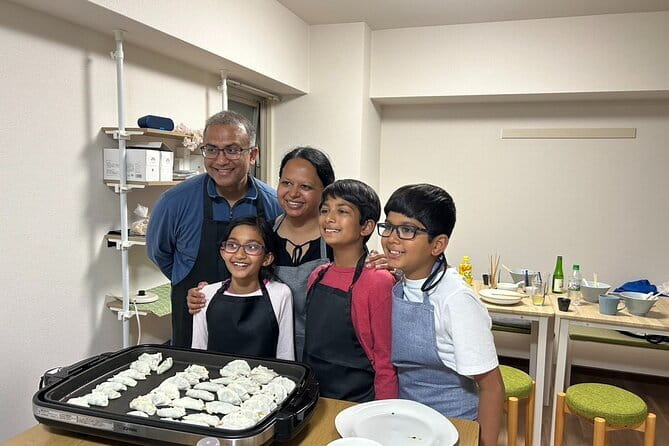
This class is based in a kitchen in central Osaka, close to the lines that tourists and locals both use. The meeting point is at ディアコート船場3034-chōme-3-1 Bakurōmachi, Chuo Ward, and the location is a short walk from Shinsaibashi and Honmachi stations (Osaka Metro). That’s a big deal in Osaka, where travel time can eat your whole evening if you choose something far out.
What I like about the setup is that it’s convenient without feeling chaotic. The listing describes the neighborhood as quiet and peaceful, and you can feel the difference in a class like this: it’s easier to focus when you aren’t fighting crowds and noise during prep.
You can also read our reviews of more tours and experiences in Osaka.

The first 30 minutes: orientation, prep, and getting cooking fast
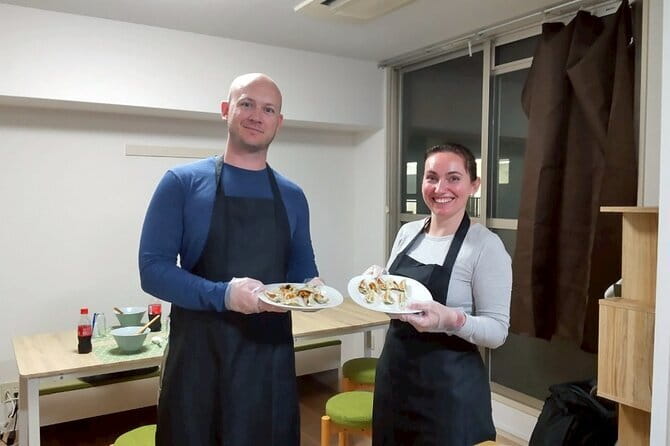
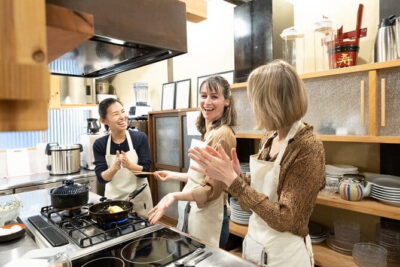
The experience starts with a 30-minute orientation and preparation block. This isn’t just a lecture. You use this time to get set up with the basics so the cooking portion can run smoothly, especially since everyone is learning at the same pace.
You’ll get what you need on-site: aprons and disposable plastic gloves, plus the kitchen tools for the class. Since the tools and ingredients are provided, you don’t have to worry about missing a key item before you arrive. If you’ve ever tried to learn cooking from a recipe on your phone while buying ingredients street by street, you’ll appreciate how stress-free this is.
Also, the instructors are fluent in English and Japanese, with Spanish instruction available on request. That matters more than it sounds. When technique gets hands-on, you don’t want to guess your way through small steps.
Cooking ramen step by step: building the bowl you’ll remember
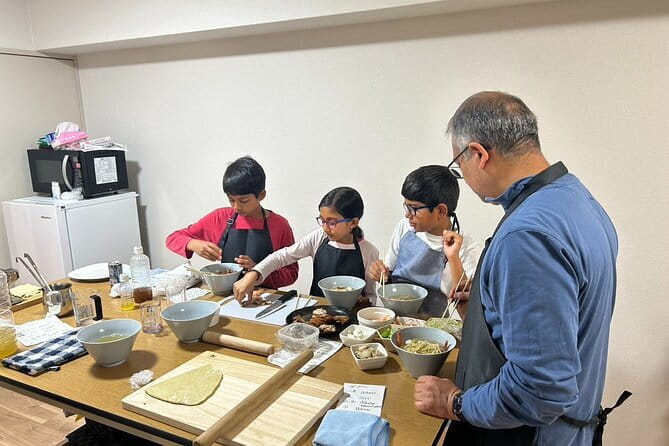
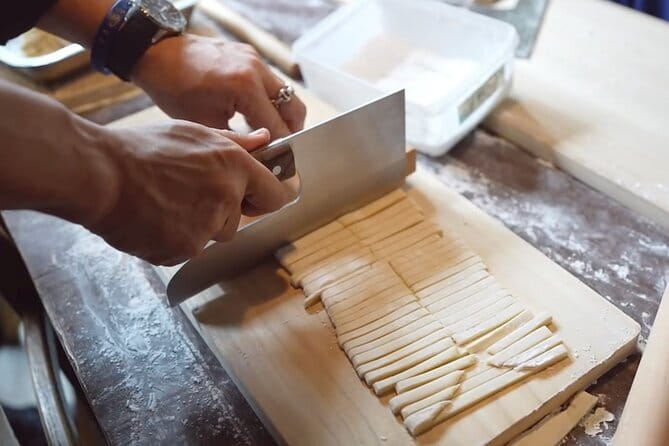
After prep, the cooking portion runs for about 1.5 hours and covers ramen and gyoza together. Ramen here is presented as a Japanese noodle soup with a rich broth, served with toppings like pork, chicken, egg, and vegetables. That’s a classic direction, but the real value is the method: you’re not only assembling a bowl, you’re learning how the parts come together.
Even if you’ve eaten ramen many times in Japan, this is different. Restaurant ramen is fast and polished because the process is done by specialists with years of practice. In a class like this, you learn the why behind the steps: timing, handling ingredients, and how to keep things consistent.
Because the class is capped at 8 travelers, it’s easier to get help when your noodles or toppings aren’t behaving the way you expected. That’s how you turn a fun evening into a skill you can repeat later.
Fried gyoza: crisping one side and using the dipping sauce
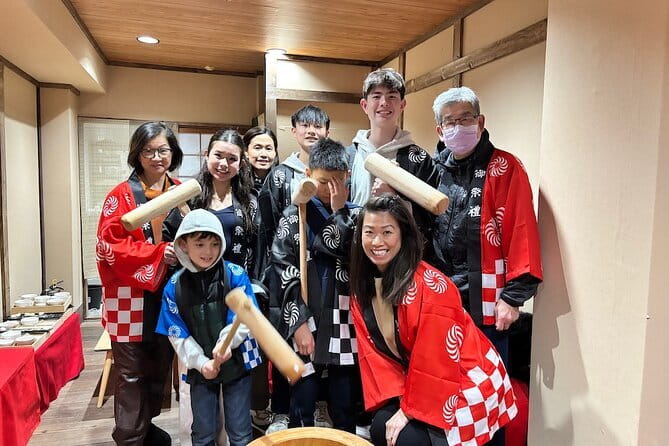
The other half of your cooking win is fried gyoza. These are Japanese dumplings filled with meat and vegetables, crisp on one side, and served with dipping sauce. The class format makes this approachable because the technique is straightforward in concept: you’re building flavor in the filling, then using frying to get that signature texture.
If ramen is comfort, gyoza is the crowd-pleaser side of comfort. It’s the kind of dish where you can see progress quickly. Even without any prior cooking experience, you’ll understand what’s happening as you go: how the dumplings cook, where crispness comes from, and how the dipping sauce ties everything together.
And because all ingredients and tools are supplied, you can focus on the actual learning instead of hunting for wrappers, fillings, or the right pan setup.
The tasting hour: sit down with ramen and gyoza and drinks
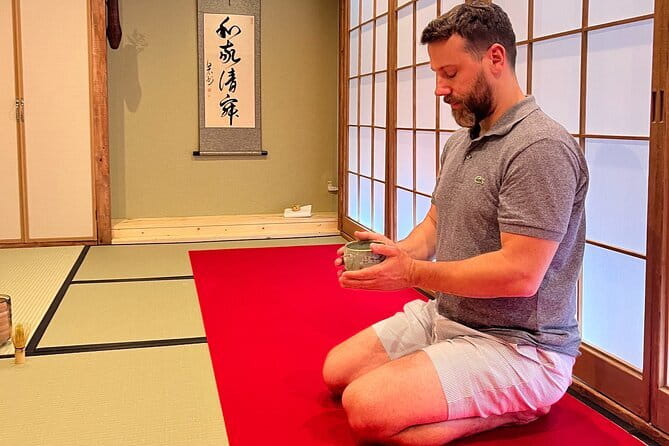
Once cooking wraps up, you’ll get a dedicated 1-hour tasting session. This is not a quick sample. You relax and enjoy what you made as a full meal experience, pairing your ramen and gyoza with drinks like sake, beer, and soft drinks.
One practical point: the class serves alcoholic drinks only for people 20 years old and above. If you’re under 20, you’ll still have drink options, just non-alcoholic. If you were planning to make the most of the tasting with sake or beer, it’s worth double-checking your own age category before you go.




Language support that makes hands-on cooking easier
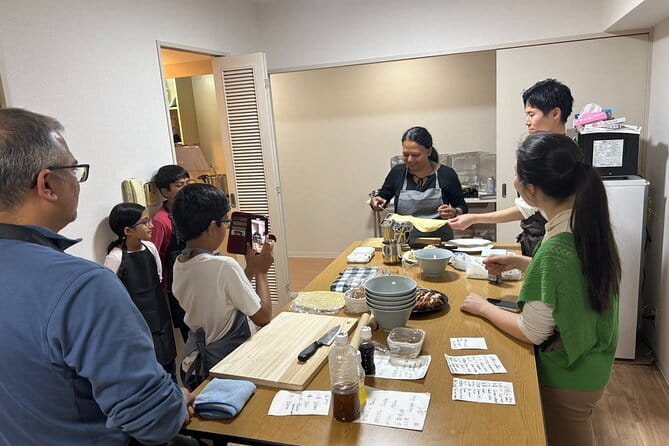
A lot of cooking classes advertise English, but the real question is whether you’ll understand technique clearly enough to reproduce it. Here, the instructors are fluent in English and Japanese, and Spanish is available upon request. That gives you a safety net, especially if your Japanese is basic and you want to learn without constantly translating in your head.
In practice, this matters most for the steps that sound simple but are easy to mess up: timing, texture cues, and small adjustments when something doesn’t look right yet. Good language support keeps you cooking instead of panicking.
Price and value: what $70 actually buys you
At $70 per person, this class is positioned as a mid-range experience, but the value is in the package, not just the food.
Here’s what you’re effectively paying for:
- A guided, step-by-step cooking session (not self-guided)
- All ingredients and tools provided, so you’re not spending extra money just to start
- Aprons and gloves, which keeps the process clean and simple
- Instruction in multiple languages
- A full tasting meal with drinks, including sake/beer for those 20+
If you were to recreate this at home, you’d likely spend time and money sourcing ingredients, then still need guidance for technique. The class gives you both: you get a meal and a repeatable approach.
Also, the class duration is about 3 hours, which is a solid use of time in Osaka. You get a meaningful evening activity without losing your whole day to transport or waiting.
Where this class fits in your Osaka plan
This is a good option when you want one structured, memorable evening that also teaches you something you’ll use again. If your Osaka itinerary is heavy on temples, shopping streets, or food stalls, this class adds a hands-on layer that makes the city feel personal.
Because it’s near Shinsaibashi and Honmachi, it also works well if you’re staying in that general area. You can pair it with an easy dinner before or after, but try not to schedule anything that depends on being perfectly on time at the end of the tasting hour.
Who should book (and who should think twice)
You’ll probably love this if you:
- Want to learn ramen and gyoza in a guided way, not just watch
- Enjoy interactive food experiences where you actually cook
- Prefer small groups and clear instruction
- Travel solo, with friends, or as a couple and want a shared activity
You should think twice if:
- You want a passive, sit-and-watch food show. This is active cooking.
- You have food allergies and haven’t planned to contact the operator. The class indicates vegetarian/pescatarian/vegan options and allergy needs should be requested after booking.
Dietary notes are important here. The class says options exist for vegetarian, pescatarian, and vegan diets, plus allergy considerations, but you need to message after booking. Don’t assume you can handle dietary needs on arrival.
Practical tips so your ramen night goes smoothly
Plan to arrive with a relaxed mindset. When everyone is cooking together, small delays snowball. Since you only need to bring yourself and the class provides the rest, you don’t need to pack kitchen gear or shop beforehand.
Wear comfortable clothes. Cooking can mean steam, sauces, and a bit of heat in the workspace. And even though aprons and gloves are provided, you still want clothing you don’t mind getting slightly messy.
Finally, if you’re requesting Spanish support for instruction, do it as part of your booking details. The Spanish-speaking instructor is available upon request, and it’s best to confirm early rather than hope it lines up once you arrive.
Should you book this Osaka ramen cooking class?
If your goal is an authentic Osaka food experience you can actually repeat, I think this class is an easy yes. The combination of small-group instruction, hands-on cooking, and a sit-down tasting hour makes it feel like a real dinner you helped create, not a rushed activity.
Book it if you’re excited to make both ramen and fried gyoza and you want technique, not just a meal. If you need special dietary handling, message after booking so the class can plan appropriately. And if you were hoping for a totally relaxed, observational experience, pick something else, because here you’re cooking from start to finish.
If weather causes changes, the experience can be canceled due to poor conditions, with an alternate date or refund offered. That’s typical for outdoor-sensitive plans, so keep an eye on forecasts if you’re booking late.
FAQ
What do I make in the class?
You’ll learn to make ramen (Japanese noodle soup with rich broth and toppings like pork, chicken, egg, and vegetables) and fried gyoza (dumplings with meat and vegetables, crisp on one side, served with dipping sauce).
How long is the experience?
The class runs about 3 hours total, including 30 minutes of orientation and preparation, 1 hour 30 minutes of cooking, and 1 hour of tasting with drinks.
Is food and equipment included?
Yes. The class includes all ingredients and kitchen tools, plus aprons and disposable plastic gloves.
Do I need prior cooking experience?
No. The class is described as step-by-step, and the info specifically says you just need to bring yourself since preparation isn’t required.
Are vegetarian or vegan options available?
The class indicates vegetarian, pescatarian, and vegan options are available, along with help for food allergies. You need to contact the operator after booking by sending a message once your booking is complete.
Are sake and beer included?
Drinks are included during the tasting hour, such as sake, beer, and soft drinks. Alcohol is only served to people 20 years old and above, while those under 20 will receive non-alcoholic drinks instead.