REVIEW · SAPPORO
Mondo’s most popular plan! Experience making soba noodles and the king of Japanese cuisine, tempura, in Sapporo!
Book on Viator →Operated by もんど · Bookable on Viator
Soba is more fun when you knead it. This Sapporo class pairs hands-on soba-making with a shared meal of tempura, plus a simple lesson on how Japanese people actually eat soba (ending properly with soba-yu). I love the tactile steps: mixing buckwheat dough, stretching it, then cutting noodles the traditional way. I also love the pairing at the table—your soba comes with both cold and warm sauce options, matched with crisp tempura made from local ingredients. One consideration: you may not be taught to cook the tempura itself, since most people report the tempura is prepared for you rather than made from scratch.
The session is short—about 30 minutes of making, then tasting—so it fits nicely into a daytime Hokkaido plan. It’s run in English, but you won’t get phone support if you have questions; email is the right channel. And because it’s a small restaurant, the start time matters.
In This Review
- Key things to know before you go
- Sapporo’s soba-and-tempura setup: why this class feels different
- Getting to the restaurant: Miyanosawa station and timing that matters
- The soba-making lesson flow: from buckwheat dough to soba-yu
- Tempura pairing: what’s included, what you might not make
- Eating like locals: cold vs warm sauce and how to finish
- Why the course is good value at $85.79 per person
- Who this suits best (and who should think twice)
- Little practical tips so you enjoy the whole 1-hour-to-1-hour-15 session
- Should you book this soba and tempura experience?
- FAQ
- FAQ
- How long does the soba and tempura experience take?
- Is the experience conducted in English?
- Do I need to bring anything?
- Is this experience suitable for children?
- Where is the meeting point and how do I get there?
- Can you accommodate halal or vegan diets?
- Can I cancel for free?
Key things to know before you go
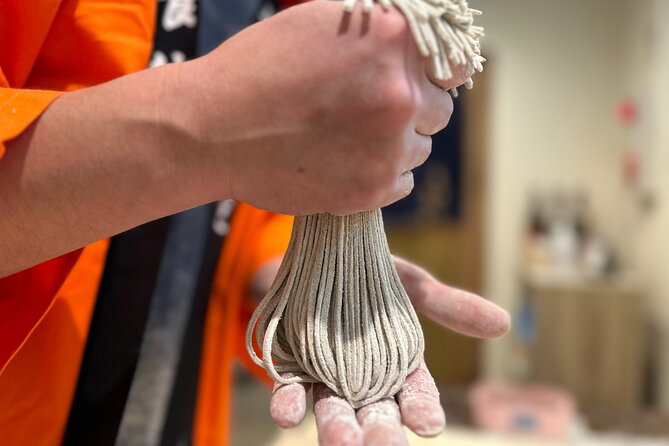
- A true “get your hands in the dough” soba lesson: mixing, stretching, cutting, then tasting what you made
- Tempura pairing with local ingredients: crispy batter, plus vegetables and seafood when available
- Cold and warm soba sauce choices: you get both styles for a more complete taste comparison
- You learn the finish (soba-yu): the Japanese way to wrap up your bowl is part of the flow
- Small, family-run feel: multiple reviews highlight friendly, patient teaching from Taku and his wife
Sapporo’s soba-and-tempura setup: why this class feels different
This isn’t a big, staged cooking show. It’s a small handmade soba shop experience that centers on one thing: turning buckwheat flour and water into noodles you can actually taste at your own table.
What makes it work is the pairing. Soba has its own character—savory and chewy in Hokkaido—while tempura brings crunch and fragrant oil. Together, they teach you why Japanese people often eat these two side-by-side, instead of treating them like separate menu items.
The lesson also has a cultural “how to eat” component. You’re not just making noodles; you learn how to handle them with the right sauce temperature and the proper ending.
You can also read our reviews of more tours and experiences in Sapporo.
Getting to the restaurant: Miyanosawa station and timing that matters
The meeting point is a short walk from Miyanosawa Station on the Sapporo Subway Tozai Line—about five minutes on foot. If you drive, there are four parking spaces in front of the store, which is handy in Sapporo where walks can feel long when it’s cold.
Plan to arrive on time. The restaurant is open as a handmade soba place during lunch, so day-of changes can be tough. If you’re late, it can inconvenience the next start time, and late arrivals may be treated as a no-show.
This also helps you mentally prepare. You’re signing up for a compact session, not a slow hangout. When you show up ready to start, the whole thing feels smooth.
The soba-making lesson flow: from buckwheat dough to soba-yu
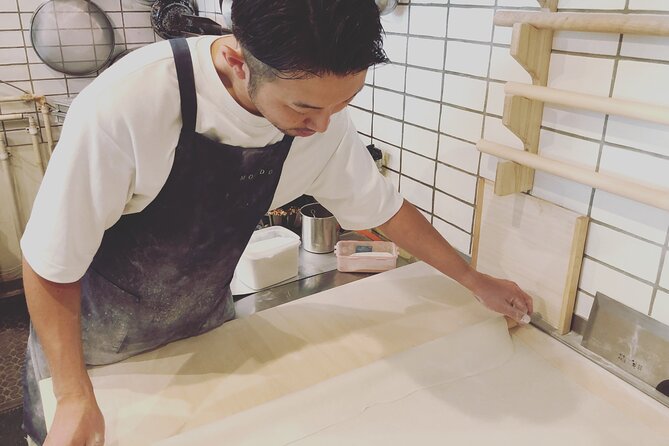
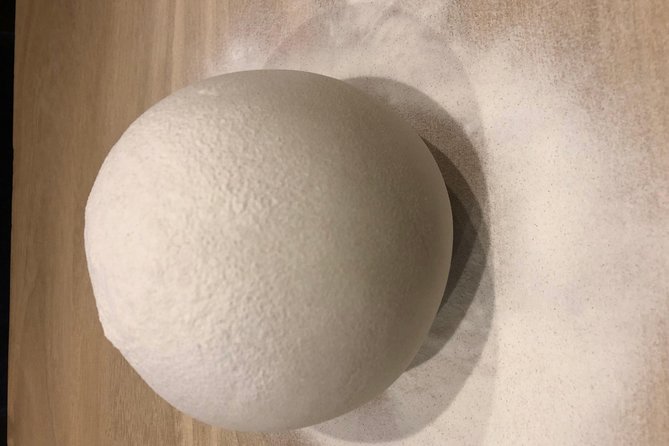
The experience is built around a clear, repeatable process. You’ll spend about 30 minutes actively making soba, then you’ll taste and finish afterward.
Here’s what the class flow looks like:
1) Mix buckwheat flour
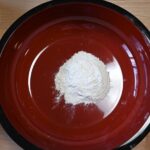
You start with the basic dough steps: flour plus water, then working it into a workable consistency.
2) Stretch the soba noodles
Stretching is where it turns from dough into something noodle-like. Expect instruction on handling and texture, not just quick hands.
3) Cut the soba noodles
This is the traditional slicing step, and it’s a big deal. One of the most repeated “favorite moments” is learning to slice in a traditional way—right after kneading and stretching.
4) Sample your soba and artisan-made tempura
After making, you eat your own noodles right there with tempura. You also get two sauce styles: cold and warm.
5) Finish with soba-yu
Soba isn’t treated like a bowl you just leave empty. The Japanese finish with soba-yu, which is part of the ritual and helps tie the taste together.
Across the reviews, the teaching style shows up clearly. People mention the instructor (often named Taku) being funny, kind, and patient, and they like that everyone gets involved—even kids.
Tempura pairing: what’s included, what you might not make
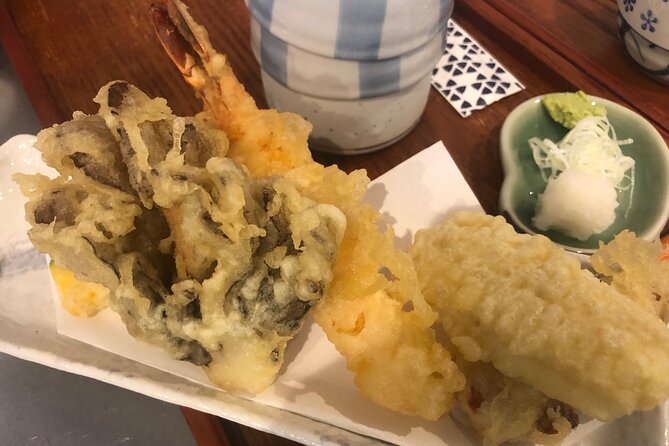
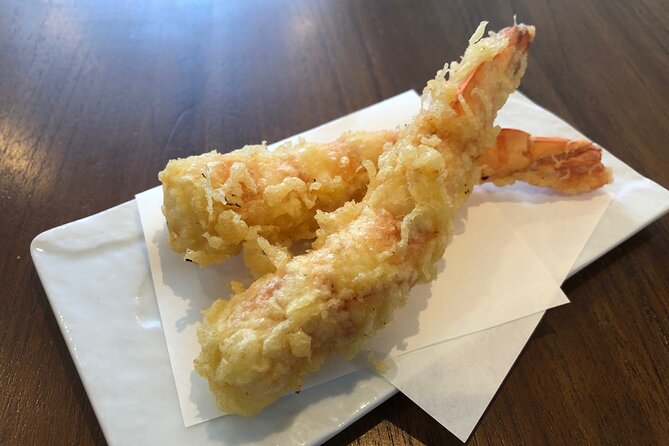
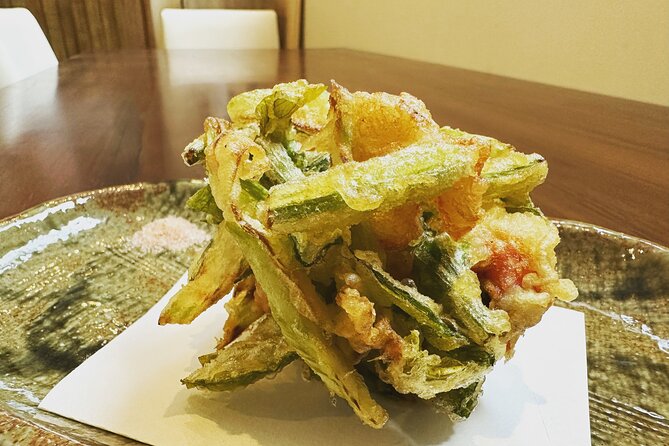
Tempura is included as part of the set meal. The typical idea is battered and deep-fried vegetables and seafood, with local ingredients showing up in what you get.
Here’s the key point to manage expectations: the experience focuses on soba-making as the hands-on activity. Multiple comments suggest that you’re served tempura, but you may not be taught to fry or assemble it yourself. So if your dream class is “bread, batter, fry, flip,” you might feel you wanted more cooking instruction.
Still, the tempura itself tends to land well. Reviews mention it being delicious and pairing perfectly with the noodles you just made. Some meals include shrimp, scallops, and a mix of vegetables—so you’re not just eating plain noodles and calling it done.
Also, the class uses the soba-and-tempura synergy concept on purpose. Soba’s chew meets tempura’s crispness. That contrast is the lesson hiding in plain sight.
Eating like locals: cold vs warm sauce and how to finish
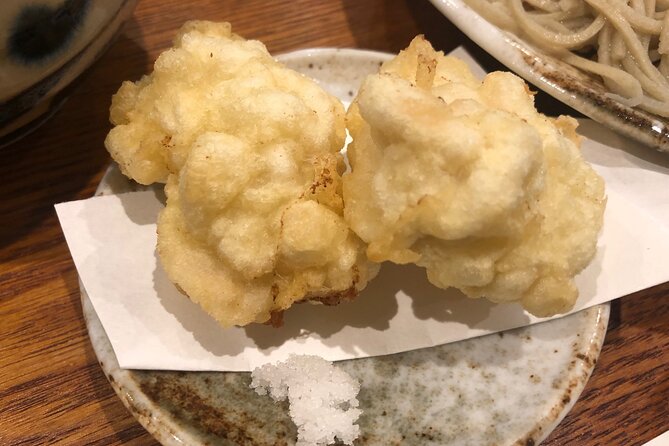
Most cooking classes teach you recipes. This one teaches you eating flow.
You’ll get two types of soba sauce: cold and warm. That matters because temperature changes how the buckwheat tastes. Cold sauce can feel sharper and cleaner, while warm sauce rounds out the flavors. You get both, so you can actually notice the difference rather than guessing.
Then comes the often-overlooked part: soba-yu. Even if you’ve eaten soba before, learning the Japanese finishing step makes the whole meal feel intentional. It’s one of those tiny cultural details that turns a snack into a real experience.
If you’re traveling with kids, this structure helps. A short making session plus a clear eating ritual is easier for little attention spans than a long tour of “watch and learn.”
Why the course is good value at $85.79 per person
At $85.79 per person, the value depends on what you want from Hokkaido.
If you want a hands-on food memory, you’re paying for that. You get about 30 minutes of making, plus tasting time with tempura and sauce. You’re not buying just ingredients—you’re buying instruction, cleanup, and the chance to eat what you produced while it’s still part of the class moment.
If you want a full “teach me every cooking step” workshop, you might question the price. A couple of value-focused comments point out that tempura isn’t necessarily taught to the same degree as soba. So the cost makes more sense as a soba-focused craft lesson with tempura as the featured companion.
The format also adds value. It’s private for your group, so you don’t feel like you’re sharing space with a crowd. Reviews mention small group sizes feeling intimate, with plenty of attention.
One more value factor: dietary accommodations. Halal and vegan options can be accommodated if you contact in advance. That’s a big deal when so many cooking experiences treat dietary needs as an afterthought.
Who this suits best (and who should think twice)
This is ideal if you want:
- A hands-on, short activity in Sapporo
- A traditional food experience tied to Hokkaido ingredients
- A class that works for kids (including the note that children under 2 are free)
It’s also a nice fit if you like learning “how to eat” as much as how to cook. The soba etiquette part is a real differentiator.
Think twice if:
- Your main goal is to learn how to cook and batter tempura yourself. Based on the pattern of feedback, tempura is usually served rather than student-fried.
- You’re expecting a guaranteed vegan meal with no notice. Vegan accommodations are possible, but you need to ask ahead, and some people reported wanting a vegan option more clearly.
Little practical tips so you enjoy the whole 1-hour-to-1-hour-15 session
Bring a mindset of simplicity. This is about making noodles, eating, and learning the eating rhythm—not about taking a home recipe quiz.
Wear comfortable clothes. You’ll handle dough and do the stretching and cutting steps.
And if you’re sensitive to timing, aim to arrive early. Start times are important in a small restaurant, and the shop runs as a working handmade soba place during lunch.
Communication is straightforward: the experience is conducted in English, but questions by phone aren’t supported. Use email if you need clarity before you go.
Should you book this soba and tempura experience?
Book it if you want a compact, hands-on Sapporo activity where you leave with noodles you made and a meal that actually matches them. The combination of soba craft plus eating instruction (cold/warm sauce and soba-yu) is the kind of detail that makes food experiences feel personal, not generic.
Skip or at least set expectations if you’re coming for a full tempura-making workshop. The class is very clearly built around soba, with tempura as the partner on the plate.
FAQ
FAQ
How long does the soba and tempura experience take?
The soba-making part takes about 30 minutes, and the full experience—including tasting—takes about 1 hour and 15 minutes.
Is the experience conducted in English?
Yes. The experience is conducted in English.
Do I need to bring anything?
No. You don’t need anything to bring or prepare.
Is this experience suitable for children?
Yes. Small children can enjoy soba making, and children under 2 are free.
Where is the meeting point and how do I get there?
You meet at 9-chōme-17-28 Hassamu 6 Jō, Nishi Ward, Sapporo, Hokkaido 063-0826. It’s about a five-minute walk from Miyanosawa Station on the Sapporo Subway Tozai Line.
Can you accommodate halal or vegan diets?
Halal, vegan, and other dietary needs can be accommodated if you contact in advance.
Can I cancel for free?
Yes. You can cancel up to 24 hours in advance for a full refund. If you cancel less than 24 hours before the start time, there’s no refund.