REVIEW · TOKYO PREFECTURE
Vegan/Vegetarian Ramen and Gyoza by Bentoya cooking
Book on Viator →Operated by BentoYa Cooking,Japanese Vegan/Vegetarian Cooking School · Bookable on Viator
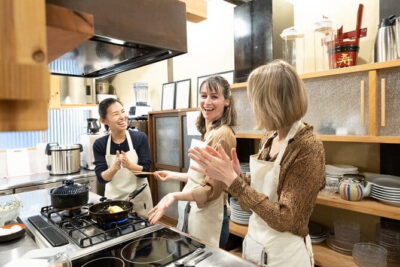
Vegan ramen starts with a tough secret. I love how this class tackles the dashi problem up front, teaching vegan/vegetarian Japanese cooking, not just a shortcut. I also love the hands-on pace as you make ramen soup from scratch and gyoza in a small group, but one possible drawback is that the flavor will be different from fish-based dashi, so don’t expect an exact copy.
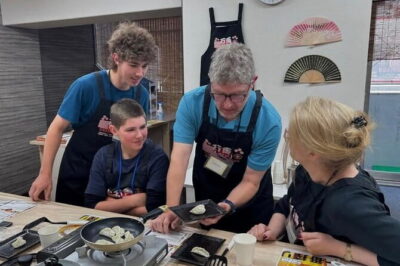
You’ll get more than recipes. Instruction feels personal, and sessions run with max 6 people, which makes it easier to ask questions about cutting, seasoning, and presentation—especially if your Japanese is rusty.
This is a morning-style class that starts near Komae Station and usually wraps up back at the meeting point. Plan for about 2 hours 30 minutes, with a local supermarket stop built into the experience.
In This Review
- Key things to know before you book
- Why vegan ramen is harder in Japan than it sounds
- The 2.5-hour flow: supermarket to finished ramen and gyoza
- Shop like a cook: learning Japanese ingredients the easy way
- Vegan ramen soup from scratch: mastering the flavor base
- Gyoza skills: from cutting basics to a finished dumpling meal
- Instructor energy: friendly hosts who explain while you cook
- Value check: why $75 can feel worth it in Tokyo
- Logistics that actually matter on the day
- Who should book this class (and who might skip it)
- Should you book BentoYa’s Vegan Ramen and Gyoza class?
- FAQ
- Where is the meeting point for this cooking class?
- How long does the vegan ramen and gyoza class take?
- Is the ticket mobile?
- How many people are in each class?
- Do you visit a supermarket during the experience?
- Is the cooking vegan or vegetarian?
- What time does the class run?
- What if the weather is bad?
Key things to know before you book
- Small group size (up to 6 people) means you actually get time with the instructor.
- Local supermarket visit helps you learn what to buy and what Japanese pantry staples mean.
- Vegan/vegetarian ramen soup from scratch tackles the tricky dashi issue in Japan.
- Gyoza skills are taught step-by-step, including cooking basics and presentation.
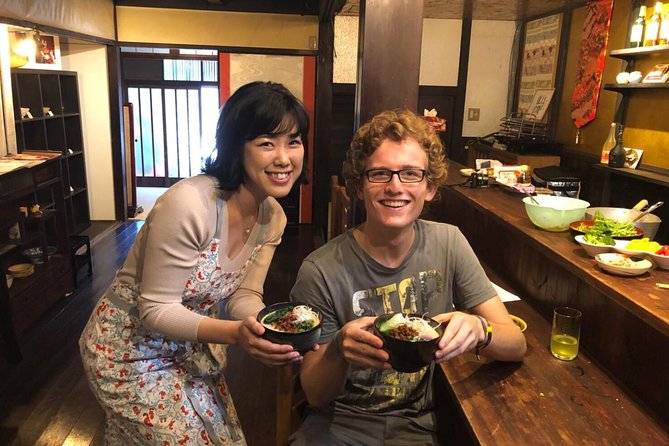
- Hosts like Kaori and Miwa are noted for being welcoming and clear in English (varies by session).
Why vegan ramen is harder in Japan than it sounds
Japanese ramen runs on a foundation called dashi, a soup stock traditionally made with bonito flakes. If you eat vegan or vegetarian, that can feel like a wall—because many broths and sauces quietly lean on fish.
This is why the concept behind Bentoya Cooking matters. The class is built around making vegan/vegetarian Japanese food anyway, and it doesn’t gloss over the real issue. Instead of telling you to just substitute something random, you learn how to build a satisfying bowl while staying within vegan/vegetarian limits.
And here’s what I like as a traveler plan: ramen is usually a restaurant experience, not a learn-at-home skill. You’ll leave with the idea that you can recreate that comfort food back home, without needing a whole new life’s worth of Japanese groceries.
You can also read our reviews of more tours and experiences in Tokyo Prefecture.

The 2.5-hour flow: supermarket to finished ramen and gyoza
The session runs about 2 hours 30 minutes, and it follows a simple structure that keeps you moving.
First, you meet near Komae Station at 1-chome-7 Motoizumi, Komae. Then you head out for the ingredient part of the day: a local supermarket stop. This isn’t just sightseeing. It’s practical. You’re learning what Japanese basic ingredients look like, how they’re used, and what you’ll need for ramen and gyoza.
After that comes the cooking. The class focuses on two big outcomes:
- making ramen soup (from scratch)
- making gyoza
The best part of a cooking class like this is the way timing works. You don’t just watch. You cut, cook, season, and assemble in the rhythm of the meal, so your brain builds the workflow—not just the final dish.
Finally, it ends back at the meeting point, so you’re not stuck figuring out transport after you’ve left kitchen mode and re-entered Tokyo life.
Shop like a cook: learning Japanese ingredients the easy way
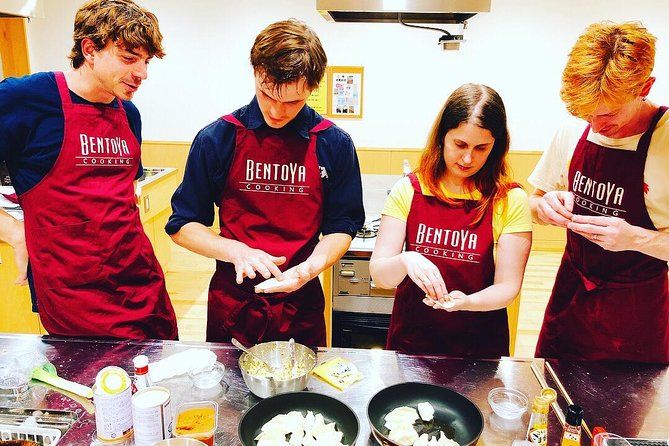
In Tokyo, ingredient labels can be a puzzle if you rely on English. The supermarket stop changes that. You get a guide’s explanation while you’re standing in front of the goods, which is when it actually sticks.
In this class, the supermarket visit is specifically designed to introduce Japanese basic ingredients used for vegan/vegetarian cooking. That matters because a lot of people go home with one or two sauces and then wonder why the food doesn’t taste right.
Think of this stop as a translation layer:
- What the ingredients are
- How they behave in cooking
- What you can look for again later at home
Also, the class size helps here. With up to 6 people, you’re not shouting questions across a room. You can ask the stuff that actually blocks you when you try to cook later: seasoning, ingredient swaps, and technique basics.
Vegan ramen soup from scratch: mastering the flavor base
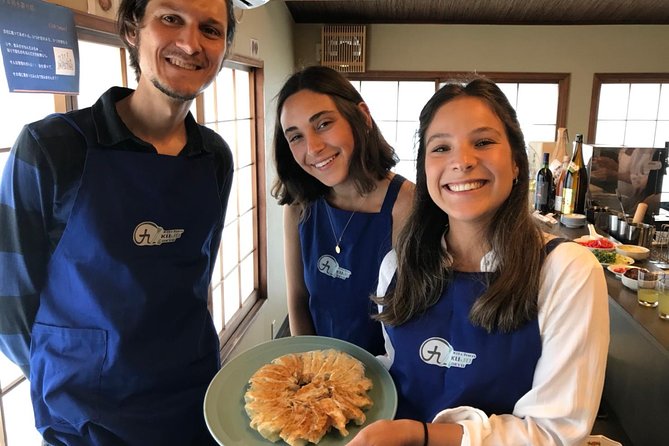
Ramen soup has a reputation for being complicated. The class takes that reputation seriously, but in a helpful way.
You’ll learn how to make the ramen soup from scratch using vegan/vegetarian Japanese cooking principles. And because Japan’s traditional dashi often leans fish-based, the instruction is geared toward how vegetarian cooking works in real Japanese kitchens.
Here’s the practical value: soup is where ramen gets its identity. If you learn how the base is built—what elements create depth, how seasoning is balanced, and how the final flavor is checked—you can reproduce the results later without guessing every step.
One more detail I appreciate: the cooking instruction is described as organized and taught with clear techniques. That matters for ramen, because small timing and seasoning differences can swing a broth from bland to satisfying.
If you’re the type who loves tweaking flavors, you’ll probably enjoy this part the most. You’ll be learning the logic behind the bowl, not only copying a single recipe.
Gyoza skills: from cutting basics to a finished dumpling meal
Gyoza sounds simple until you try making it. Then you realize the real work is technique: how you prep ingredients, how you season, and how you handle the dumplings so they cook well.
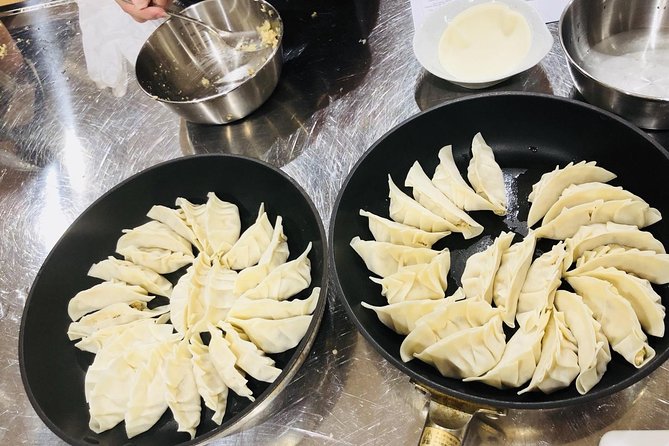
The class teaches you to make gyoza alongside the ramen, and instruction includes cutting and cooking techniques. You also get tips on seasoning and presentation, which is useful because gyoza is one of those foods where the details show.
Even if you don’t consider yourself a confident cook, a small-group class makes the learning curve less intimidating. You can follow along while getting immediate feedback, which is the difference between getting a rough result at home and actually nailing it the second time.
And for me, gyoza is the perfect second dish for this experience. It gives you a hands-on skill that restaurants won’t teach you. When you can make gyoza, you’ve unlocked a whole category of Japanese comfort food at home.
Instructor energy: friendly hosts who explain while you cook
Good cooking classes have two ingredients: technique and communication. This one seems to do both.
Hosts mentioned in past sessions include Kaori, and in some groups Miwa also participates. Another host name you may see is Rina. Across the descriptions, the teaching style is repeatedly described as friendly and welcoming, with English that makes the process easier to follow.
I also like that instruction isn’t just about what to do, but how to do it. Reviews and descriptions highlight cutting, seasoning, and presentation skills—meaning you’re building competence, not just eating lunch you paid for.
If you’ve ever been disappointed by a class where you mostly watch, this setup is the opposite. You’re in the kitchen, hands-on, learning the steps that let you cook again later without staring at your notes like they’re written in code.
Value check: why $75 can feel worth it in Tokyo
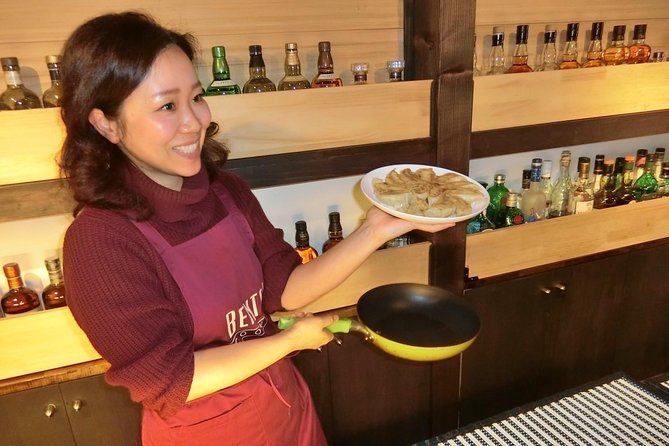
At $75 per person, this isn’t a budget cooking class. But it’s also not just a cooking show.
What you’re paying for (and what makes the value make sense):
- a hands-on ramen and gyoza lesson
- making the ramen soup from scratch
- instruction by a local cook
- a local supermarket stop for ingredient basics
- a small group size (max 6 people)
- and detailed guidance you can use after class, which some descriptions specifically mention as instruction files
In Tokyo, lessons that include a supermarket stop and personalized teaching often cost more, so the small-group angle matters. It’s one of those experiences where the value depends on your goal.
If your goal is eating a nice lunch, you’ll probably wonder about the price. If your goal is learning skills you can repeat, then $75 starts to look reasonable very fast—especially because ramen is the kind of dish you’ll want to recreate.
Also, the booking pattern is a hint: it’s usually booked about 27 days in advance, so you’ll want to lock in your date early if your schedule is tight.
Logistics that actually matter on the day
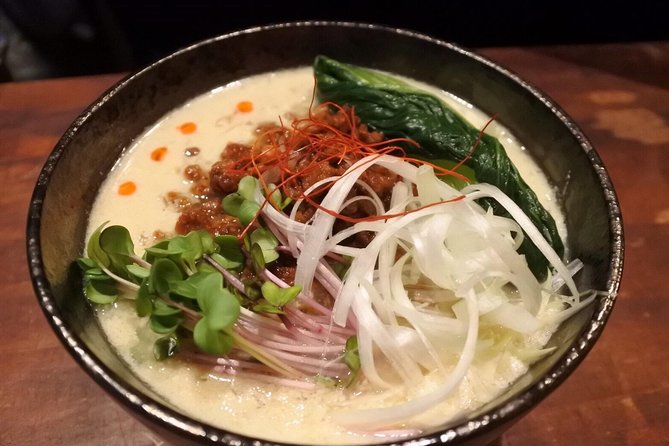
The class runs between 10:00 AM and 1:00 PM (Monday through Sunday). The exact start time can vary by date, but the window is helpful for planning.
You’ll need good weather because the experience is stated to be weather-dependent. If weather forces a change, you’ll be offered a different date or a full refund.
You’ll receive confirmation within 48 hours of booking, subject to availability, and the ticket is mobile—small detail, but it saves hassle when you’re juggling Tokyo transit.
Meeting point is near public transportation, and it ends back at the start, which is a simple win. After cooking, you don’t want a complicated transfer plan.
Who should book this class (and who might skip it)
This is a great fit if:
- you’re vegan or vegetarian and want a ramen experience that respects that
- you want to learn Japanese cooking basics you can repeat at home
- you enjoy hands-on food work more than just eating out
- you like learning what to buy in a Japanese supermarket
You might skip it if:
- you only want to try ramen in a restaurant-style way
- you’re expecting a fish-dashi clone with the same flavor profile
- you’re short on time and prefer quick, no-cooking experiences
Families can work too, since the class is described as interactive and supportive. Just know it’s still a cooking class, so comfort with being in a kitchen for a couple hours helps.
Should you book BentoYa’s Vegan Ramen and Gyoza class?
Yes, if you want a ramen-and-gyoza skill upgrade that’s actually built for vegan and vegetarian cooking. The big draw here is the why behind the soup: Japan’s dashi issue isn’t ignored, and the class is designed to help you build flavor without fish-based stock.
Also, the small group size and friendly instruction style mean you’re not just following steps—you’re learning the steps.
If you’re unsure, use this test: do you want to cook ramen and gyoza again at home, with confidence? If the answer is yes, book it. If the answer is no, you’ll probably be happier spending that time eating ramen at a counter and keeping your cooking day purely relaxing.
FAQ
Where is the meeting point for this cooking class?
You meet at Komae Station: 1 Chome-7 Motoizumi, Komae, Tokyo 201-0013, Japan. The activity ends back at the meeting point.
How long does the vegan ramen and gyoza class take?
It lasts about 2 hours 30 minutes (approx.).
Is the ticket mobile?
Yes. The experience uses a mobile ticket.
How many people are in each class?
The class has a maximum of 6 travelers.
Do you visit a supermarket during the experience?
Yes. Part of the experience includes showing you the local supermarket to introduce Japanese basic ingredients.
Is the cooking vegan or vegetarian?
The class is described as Japanese Vegan/Vegetarian Cooking. It specifically addresses the fact that vegetarian food in Japan can be tough because of dashi, which is traditionally made from bonito flakes.
What time does the class run?
Classes run within the hours listed as 10:00 AM to 1:00 PM, Monday through Sunday.
What if the weather is bad?
The experience requires good weather. If it’s canceled due to poor weather, you’ll be offered a different date or a full refund.