REVIEW · TOKYO
Home made Ramen you made from scratch!!
Book on Viator →Operated by Hideki Ramen Cooking Studio · Bookable on Viator
Tokyo smells like dinner.
That’s the fun here: you cook real ramen from scratch in a small group setting, and the focus stays on technique, not just watching. I especially like learning how dashi actually comes together, and how Hideki’s pro workflow turns raw ingredients into a bowl you’d order again. One thing to consider: this is a home-style studio class, so you’ll want comfortable shoes and a willingness to follow a hands-on schedule.
The payoff is practical. You leave knowing what to do next time you’re craving ramen at home, with a take-home recipe/instruction booklet that helps you reproduce the flavors. The only catch is time: the class runs about 3 hours, so it’s not the kind of experience where you can wander or go at your own pace.
In This Review
- Key things to know before you go
- Ramen From Scratch in a Small Tokyo Home Studio
- What You Cook: Dashi, Nitamago, Chashu, and Gyoza
- How the 3-Hour Class Flows (and Why Timing Matters)
- Dashi to Dinner: What Makes the Ramen Taste Like It Should
- Lunch Included: Eating the Bowl You Built
- Getting There Around Tokyo: Minamishinagawa Makes It Easy
- Price and Value: Is $115 a Good Deal?
- Who Should Book This Ramen Class (and Who Might Skip It)
- Should You Book This Tour?
- FAQ
- How long is the ramen cooking class?
- Where do I meet Hideki Ramen Cooking Studio?
- How many people are in the class?
- What’s included in the price?
- Is alcohol included?
- What dishes will I learn to make?
- Is the activity near public transportation?
- What ticket format do I receive?
- When will I get confirmation after booking?
Key things to know before you go
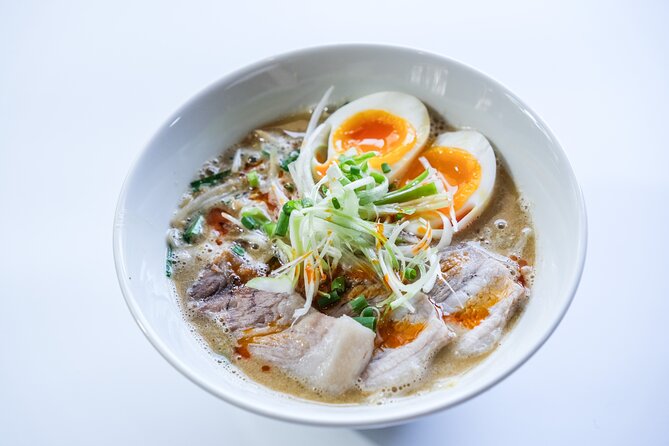
- Hideki’s ramen background: About 10 years working in a ramen restaurant, so you get restaurant-style guidance.
- Make more than one dish: You’ll cook ramen plus gyoza, not just assemble toppings.
- Core ramen skills included: dashi, nitamago (ramen-style boiled egg), and chashu (pork).
- Small group cap: Maximum of 4 travelers, which makes questions and corrections easier.
- Lunch is part of the deal: You eat the ramen you made. Alcohol costs extra.
- Easy Tokyo location: Near public transportation and close to Ginza, Shibuya, Shinjuku, Shinagawa, and Haneda.
Ramen From Scratch in a Small Tokyo Home Studio
This class is built around one big idea: homemade ramen should taste like ramen, not like you improvised dinner. You’ll meet at Hideki Ramen Cooking Studio at 6-chōme-15-3 Minamishinagawa, Shinagawa City, Tokyo 140-0004. From there, the experience centers on a close-to-home setup rather than a big cooking school stage.
I like that the location plays well with a Tokyo itinerary. Shinagawa is a strategic base, and Minamishinagawa puts you in reach of major neighborhoods like Ginza, Shibuya, and Shinjuku without feeling like you’re commuting forever. If you’re already planning to connect with Haneda Airport on your trip, this area is often a convenient stop.
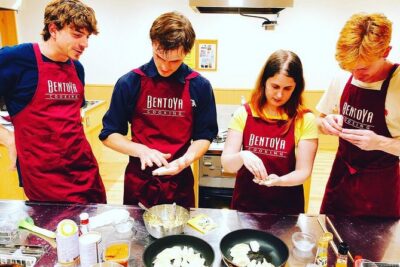
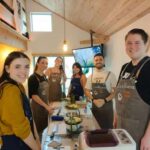
You’ll also feel the “small group” difference quickly. With a maximum of 4 travelers, the host can correct details in real time—things like how vigorously to boil, when to adjust heat, or how to handle dough and fillings. That’s the kind of feedback you don’t get when a class is crowded and you’re mostly trying to keep up.
You can also read our reviews of more tours and experiences in Tokyo.



What You Cook: Dashi, Nitamago, Chashu, and Gyoza
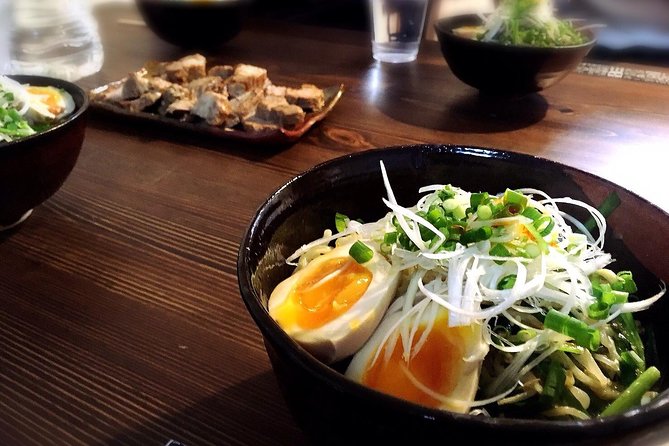
The lesson focuses on the foundation of good ramen. You’ll learn how to prepare dashi (soup stock), and then you’ll build the ramen components around it. The class isn’t just teaching the final assembly; you’re making the moving parts that create the flavor.
Here’s what you can expect to learn to cook:
- dashi (soup stock): This is the backbone. Get this right and the whole bowl tastes more “clean” and balanced.
- Nitamago (ramen-style boiled egg): A classic ramen upgrade. You’ll learn the process used for those eggs that taste seasoned all the way through, not just on the surface.
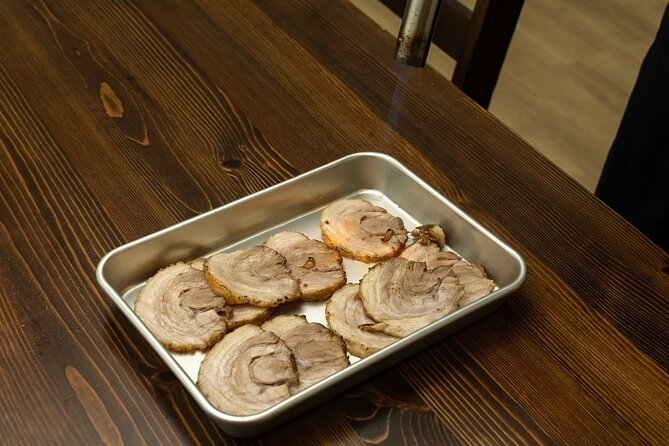
- Chashu (boiled pork): You’ll learn how to cook the pork component that gives ramen that rich, tender bite.
- Ramen noodles: Reviews emphasize that you’ll learn to make noodles and the soup from scratch, which is the real skill-building part.
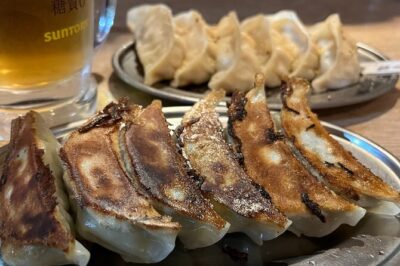
- Gyoza dumplings: You’ll make gyoza along the way, giving you a second reason to want to practice again after class.
One thing I really like about this menu is the mix of “quiet” and “hands-on.” Stock work and egg timing reward patience, while noodles and dumpling work reward accuracy. You end up with skills that transfer, even if you don’t cook ramen every week.
How the 3-Hour Class Flows (and Why Timing Matters)
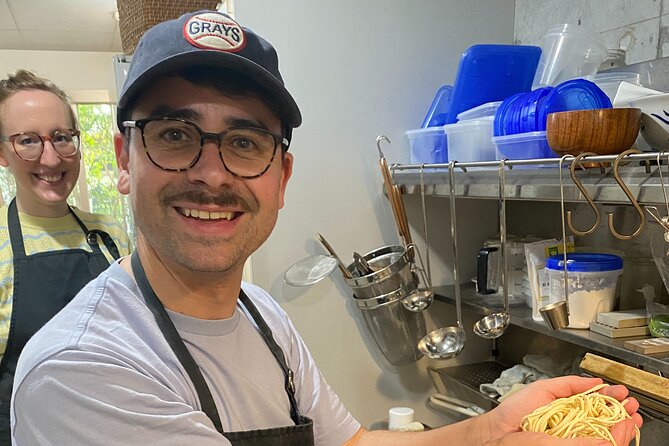
The class runs about 3 hours, which means you’ll be moving through a clear sequence. The structure is important, because ramen is one of those foods where the order of operations affects the final bowl.
A typical flow you should expect:
- Meet Hideki and get oriented. The communication around meeting is clear, and if you’re running late, the host can coordinate with you (some participants noted WhatsApp updates when trains got tricky).
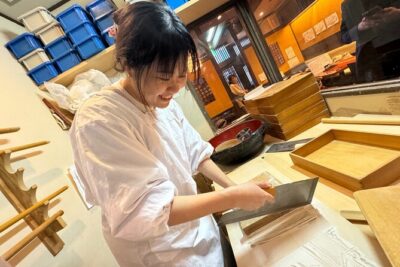
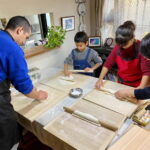
- Walk into the cooking space. It’s an intimate home-studio environment, so you’ll likely get close, practical instruction rather than a demo-only class.
- Start with the stock: dashi. This is where flavors start forming. You’ll learn the prep steps so you understand what’s happening, not just what to copy.
- Handle the egg and pork components. Nitamago and chashu take attention to timing and technique, and you’ll learn how to get them to that ramen-style result.
- Make ramen noodles and prep gyoza. Noodles and dumplings become the hands-on highlight. Reviews specifically mention learning to make noodles from scratch and gyoza as part of the same experience.
- Cook everything to finish, then eat what you made. You’ll have lunch included—ramen made from scratch—so you get instant feedback on your work.
Why I think this timing design is smart: it forces you to learn “in context.” You’re not just practicing isolated skills. You’re building a bowl while you understand why each step exists. And because the class ends back at the meeting point, the day stays simple.
Dashi to Dinner: What Makes the Ramen Taste Like It Should
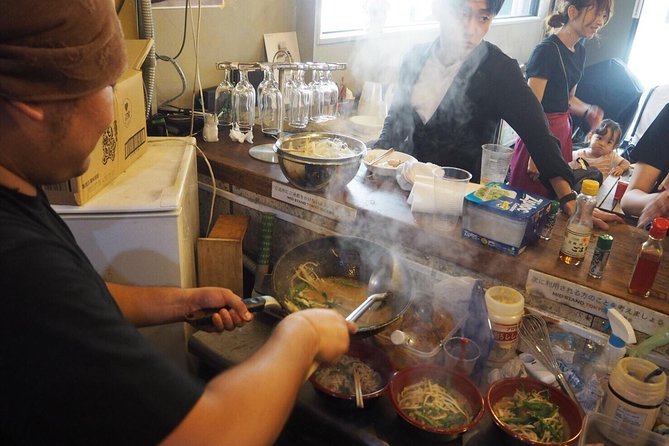
This is the part you’ll remember. Homemade ramen can be either amazing or disappointing, depending on details most people miss. In this class, the focus stays on technique that actually changes flavor.
Dashi is the big one. When you make it properly, you get a broth that tastes rounded and savory instead of flat. Participants highlight learning the soup from scratch and then finding it easy to replicate at home using the same recipe approach. That matters because ramen isn’t just “how much seasoning,” it’s the balance and clarity of the stock.
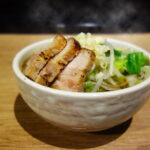
The nitamago and chashu add depth. Nitamago is often where people get fooled at home—eggs end up under-seasoned or cooked inconsistently. Here, you’re learning the ramen-style method, and you get to see the result for lunch the same day. Chashu is similar: the texture is everything. You’ll learn how to cook pork so it delivers that tender, satisfying bite that makes ramen feel complete.
And gyoza isn’t an afterthought. It gives you a savory companion dish that uses different cooking skills than ramen noodles and stock. That variety makes the class feel like a full meal, not a single-dish workshop.
Lunch Included: Eating the Bowl You Built
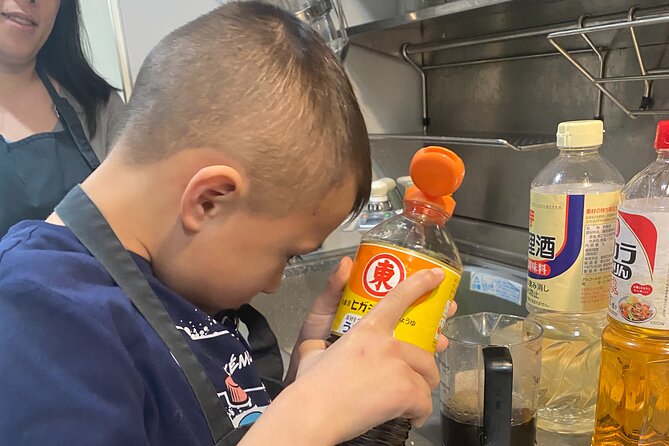
You’re paying for a class, but the best part is that lunch is included—and it’s the ramen you made from scratch. That turns the session into a full “learn and enjoy” loop. Instead of finishing class and wondering if it would’ve tasted good, you get to eat it right away.
Alcoholic beverages aren’t included, and if you want beer or something else, plan on paying extra for that. For most people, that’s not a drawback. It keeps the meal focused on what you cooked and makes the cost simpler.
I also like that you eat in the same environment where you cooked. It’s less formal than a restaurant, more like you’re sharing food with someone who knows how to teach.




Getting There Around Tokyo: Minamishinagawa Makes It Easy
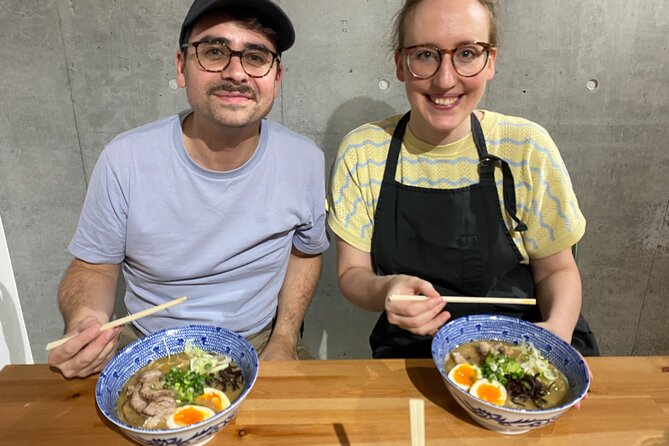
The meeting point is at Hideki Ramen Cooking Studio in Minamishinagawa, Shinagawa City. It’s near public transportation, and the class is positioned so you can fit it into a Tokyo schedule that also includes neighborhoods like Ginza, Shibuya, Shinjuku, and Shinagawa.
If you’re the kind of traveler who likes to have a base and work outward, this is a good fit. You’re not committing to a far-off edge of the map. And because the activity ends back at the meeting point, you don’t need to plan a complicated next move right after cooking.
One practical perk: several people noted that Hideki can escort you to and from the train station. That’s a big deal in Tokyo, where a “10-minute walk” can turn into a 20-minute guessing game if you’re stressed or delayed. Even if you know your way around, having a local walk you through the final leg reduces friction.
Price and Value: Is $115 a Good Deal?
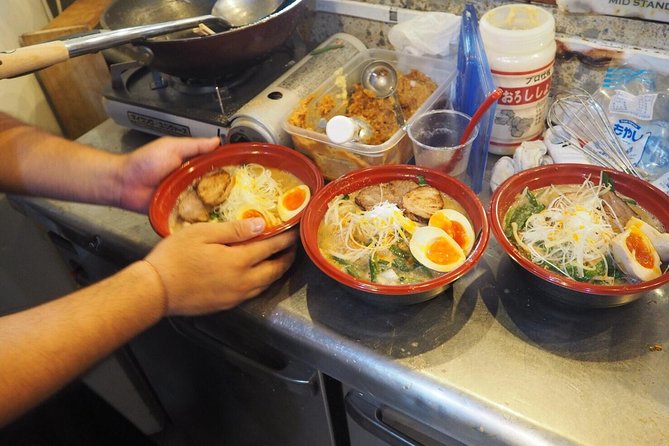
At $115 per person, this isn’t a cheap activity. But it also isn’t a “sit and watch” cooking class. You’re learning ramen building blocks—dashi, nitamago, chashu, plus ramen noodles and gyoza—over about 3 hours, with a host who worked in a ramen restaurant for roughly 10 years.
Here’s how I’d judge the value:
- Small group attention: Maximum 4 travelers means you’re not lost in the crowd.
- Hands-on production: You cook key components, not just assemble final bowls. Reviews repeatedly point to making both noodles and soup from scratch.
- Lunch included: The ramen you make becomes your meal, so you’re not paying extra for food.
- Take-home help: Participants mention a recipe/instruction booklet. If you’ll actually use it later, that boosts the value a lot.
Also, the typical booking pattern is about 7 days in advance on average. That suggests this class isn’t always wide open, so if ramen is on your “must do” list, don’t wait until the last minute.
Who Should Book This Ramen Class (and Who Might Skip It)
I think this class is ideal for you if:
- you want a real ramen lesson, not a casual tasting
- you like hands-on cooking and want skills you can repeat later
- you’re comfortable following steps during a timed session
- you prefer small groups with lots of direct feedback
It may be less ideal if:
- you’re hoping for a laid-back food walk with minimal cooking
- you want a long, slow class where you can wander between stations
- you don’t care about techniques and just want to eat ramen (in that case, a restaurant might suit you better)
The most consistently praised aspect is how patient and clear Hideki is while teaching. People also highlighted how welcoming the home setting feels—so it’s friendly, not intimidating.
Should You Book This Tour?
If you want to understand ramen instead of just sampling it, I’d book this. You’re learning the core parts—dashi, nitamago, chashu, noodles, and gyoza—in a small group with a host who clearly knows what he’s doing. And because lunch is included and you leave with instructions, it turns into an experience you can repeat at home, not just a one-day memory.
If you’re traveling on a tight schedule, keep the 3-hour window in mind and plan your day so you’re not rushing right before class. But if you can make it work, this is one of those Tokyo experiences that feels genuinely practical.
FAQ
How long is the ramen cooking class?
It lasts about 3 hours.
Where do I meet Hideki Ramen Cooking Studio?
The meeting point is Hideki ramen cooking studio, 6-chōme-15-3 Minamishinagawa, Shinagawa City, Tokyo 140-0004, Japan.
How many people are in the class?
The class has a maximum of 4 travelers.
What’s included in the price?
Lunch is included, meaning you eat the ramen you make.
Is alcohol included?
No. Alcoholic beverages are not included, and alcohol and soft drinks cost extra.
What dishes will I learn to make?
You’ll learn how to prepare dashi (soup stock), make nitamago (ramen-style boiled egg), cook chashu (pork), and also make ramen and gyoza dumplings.
Is the activity near public transportation?
Yes, it’s near public transportation.
What ticket format do I receive?
It uses a mobile ticket.
When will I get confirmation after booking?
You should receive confirmation within 48 hours of booking, subject to availability.