REVIEW · FUJIKAWAGUCHIKO
Lake Kawaguchiko: Ramen Cooking Class with Souvenir
Book on GetYourGuide →Operated by Factory Alliance · Bookable on GetYourGuide
Fresh noodles beat instant ramen.
This Lake Kawaguchiko ramen cooking class is built around doing the work yourself, and the best part is shaping and making the noodles from scratch. I also like how the teaching feels straightforward and step-by-step, with an English overview video to get you ready before you start cooking. One thing to consider: you’re paying a premium for instruction plus ingredients, and you’ll need to handle your own getting there.
The vibe is friendly, not stiff.
From the moment you show up, the class runs with clear organization, and you’ll wear the apron and headscarf provided (yes, it’s a little funny in a good way). You’ll choose your bowl style by selecting a soup and sauce, then you sit down to eat what you made—so the time doesn’t disappear into the kitchen without payoff.
The only real drawback is practical.
Getting to the Ramen Factory takes your own transport plan, and drinks aren’t included, so budget a bit for that. If you’re chasing a quick photo stop near Mt. Fuji, this isn’t that kind of activity—it’s hands-on cooking for a full 90 minutes.
In This Review
- Key highlights worth your attention
- Finding the Ramen Factory by Kawaguchiko Station
- What the 90-minute class actually feels like
- Your first step: the overview video and prep
- Making fresh ramen noodles: the part people remember
- Choosing your soup and sauce: customizing your bowl
- The meal at the end: eating what you made
- About the Mt. Fuji and Lake Kawaguchiko setting
- Souvenirs: what comes home with you
- Price and value: is $133 fair for ramen class?
- Practical tips so your class goes smoothly
- A quick note on the written description mismatch
- Who should book this ramen class (and who may not)
- Should you book Lake Kawaguchiko Ramen Cooking Class with Souvenir?
- FAQ
- How long is the ramen cooking class?
- What’s included in the price?
- Do I get to choose my soup and sauce?
- Are transportation and drinks included?
- Where do I meet for the class?
- What language is the class taught in?
- What should I do if I have food allergies?
Key highlights worth your attention
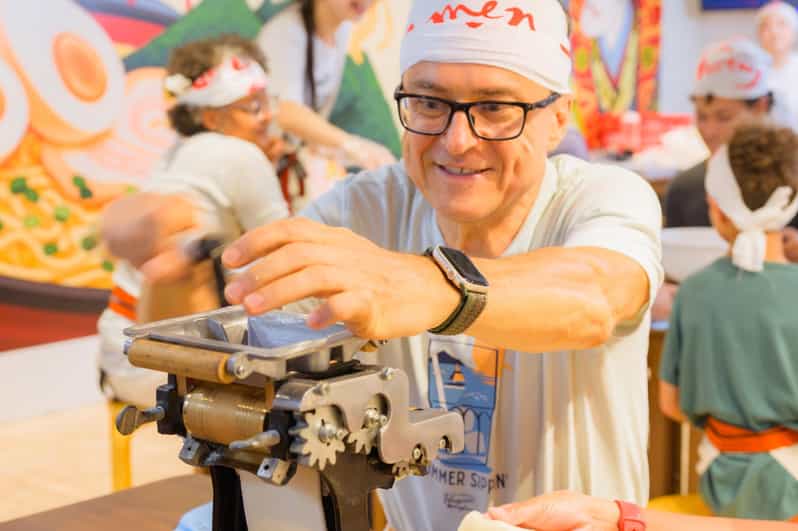
- Noodles from scratch: You make the ramen noodles yourself, not just assemble a kit
- English guidance + overview video: You watch a process video and get taught step-by-step
- Pick your flavor profile: You choose your soup and sauce before cooking
- You eat your finished bowl: The class ends with ramen you made, right there
- Take-home souvenirs included: You choose from 4 souvenir types after class
Finding the Ramen Factory by Kawaguchiko Station
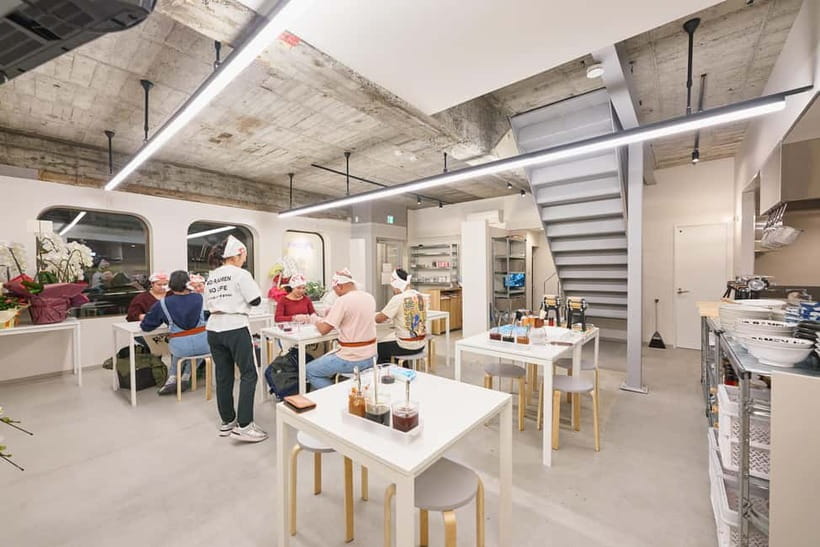
This class meets at a spot that’s easy to navigate if you’re already near the lake area. Start from Kawaguchiko Station, exit onto the front street, then walk straight to the left for about 3 minutes. The meeting point is diagonally across from Fujitempra IDATEN.
That matters because the class itself is 90 minutes. You don’t want to lose time hunting directions or waiting on a late arrival. I’d aim to be there early and settle in—especially because you’re expected to arrive 10 minutes before class to get ready.
The activity ends back at the same meeting point, so you don’t have to worry about an awkward second transfer. In a place like Kawaguchiko, that kind of simplicity is worth something.
You can also read our reviews of more tours and experiences in Fujikawaguchiko.

What the 90-minute class actually feels like
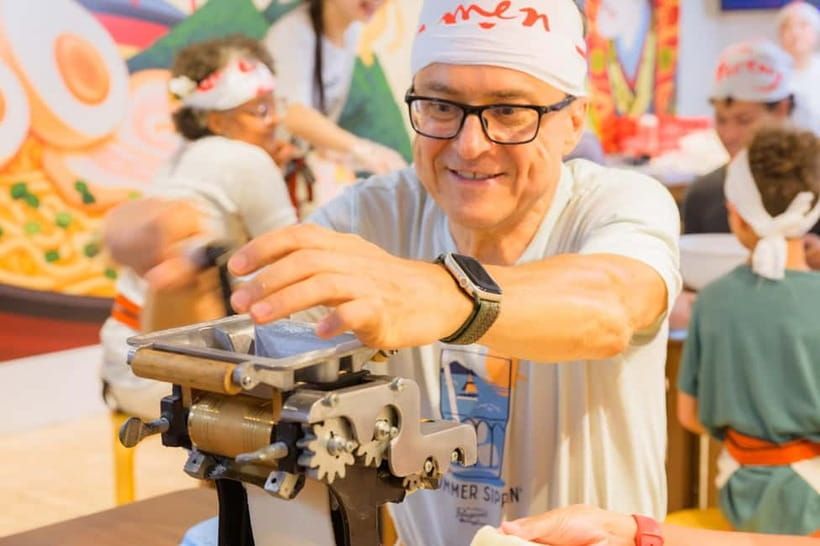
This is a compact cooking session. The goal isn’t to lecture you on ramen theory for an hour, then send you home with a sad packet. Instead, you get a short setup, you do the work, and you taste the results.
Here’s the flow you should expect:
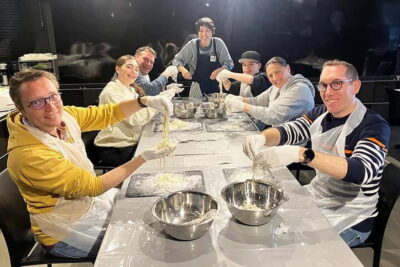
- You arrive and get prepped to cook (apron + headscarf)
- You watch an overview video about making ramen from scratch
- You cook with included ingredients and choose options for your bowl
- You finish by eating the ramen you made
Even if you’re a beginner, the structure helps. One review highlighted that the activity is highly organized and easy to follow, with the instructor guiding step-by-step. That’s the difference between a cooking class that’s fun and one that’s chaos.
Also, you’re not just “making ramen.” You’re making it in a way that teaches you what matters: noodles texture, broth direction, and how choices change the end result.
Your first step: the overview video and prep
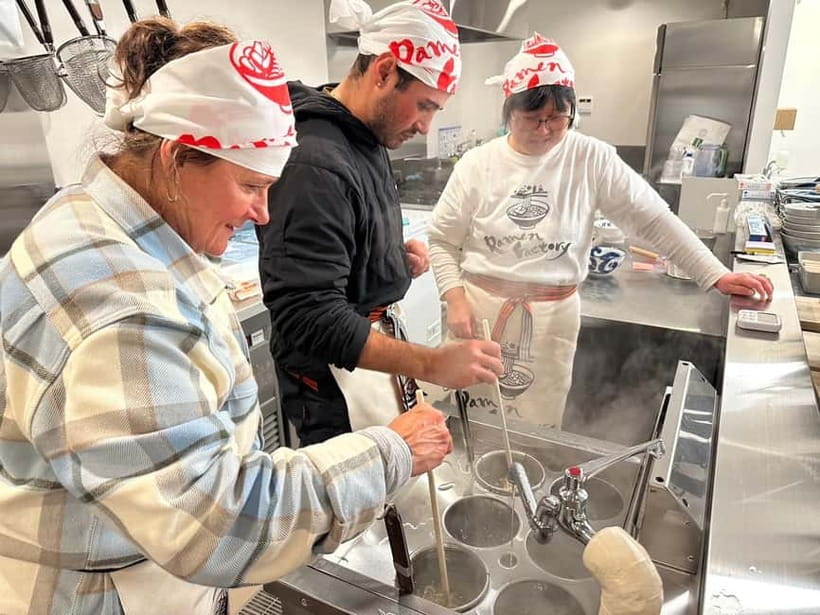
Before the heat really goes on, you’ll watch a video explaining the process of making ramen from scratch. That’s useful because ramen has a few moving parts, and the video helps you understand what you’re doing while you’re doing it.
Then the class setup kicks in. You’ll be given a ramen apron and headscarf, and you’ll use ingredients that are already included in your ticket price. That means you’re not solving a grocery puzzle. You’re learning the method.
One small detail I appreciated from the feedback: the facility is described as new, and the headwear is described as funny and interesting. Those sound like throwaway comments, but they’re actually a signal. A new, clean space usually means fewer missing tools and fewer awkward delays while everyone waits for supplies.
Making fresh ramen noodles: the part people remember
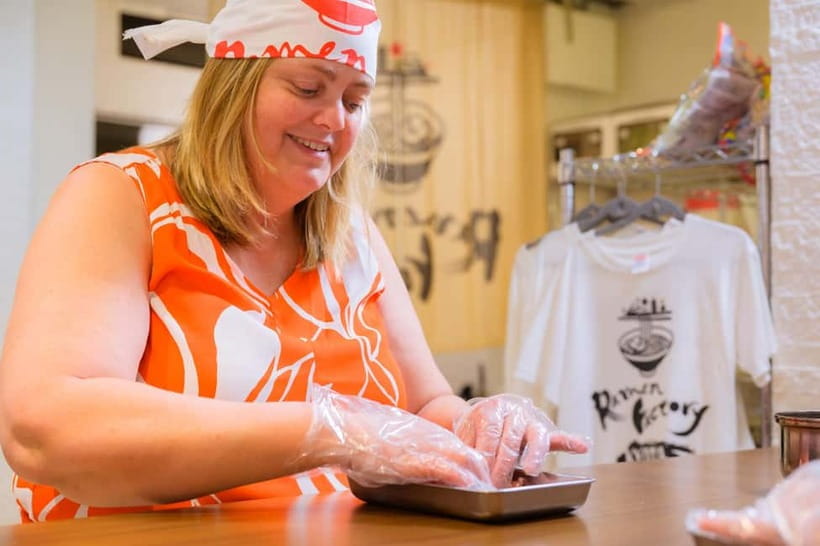
If you care about ramen, this is the heart of the class: making the noodles yourself. Several people specifically praised this as the best part, and I’d treat that as a big clue when deciding if the class fits your style.
In practice, you’re not just rolling and hoping. You’ll work through the noodle-making steps as part of the instruction, and you’ll see how hands-on work changes the outcome. This is also where you’ll likely feel the satisfaction you came for. Reviews made it clear that the hands-on teaching leaves you feeling proud at the end, because you can say you made it from scratch.
And when you finish those noodles and cook them in the final bowl, you get a strong reminder: fresh ramen tastes different. It’s not only about seasoning—it’s about the texture and how the noodles hold up.
Choosing your soup and sauce: customizing your bowl
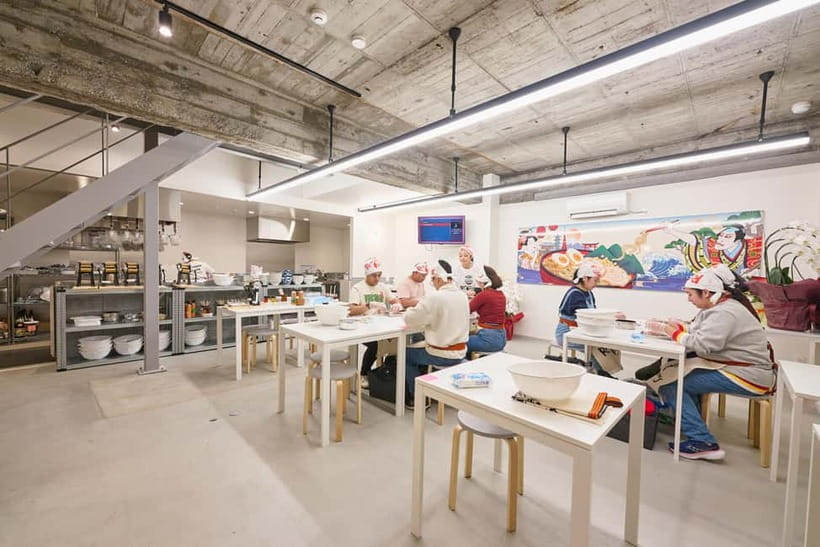
Ramen classes can be either rigid or flexible. This one gives you control. You’ll choose from options that affect your final bowl—specifically a choice of soup and sauce.
That customization turns the class from a single guaranteed result into something you can tailor. In one account, a participant chose miso soup and felt it worked extremely well, which lines up with the idea that your bowl choice changes the entire character of what you eat.
How to use this tip:
- If you already have ramen favorites (shoyu, miso, etc.), go with what you know you’ll enjoy.
- If you’re unsure, pick based on what you like in Japanese comfort food—because the soup decision will dominate the taste.
This is also why the class is worth doing even if you’re not a hardcore foodie. Being able to choose makes it feel less like a demonstration and more like learning a skill you can repeat at home.
The meal at the end: eating what you made
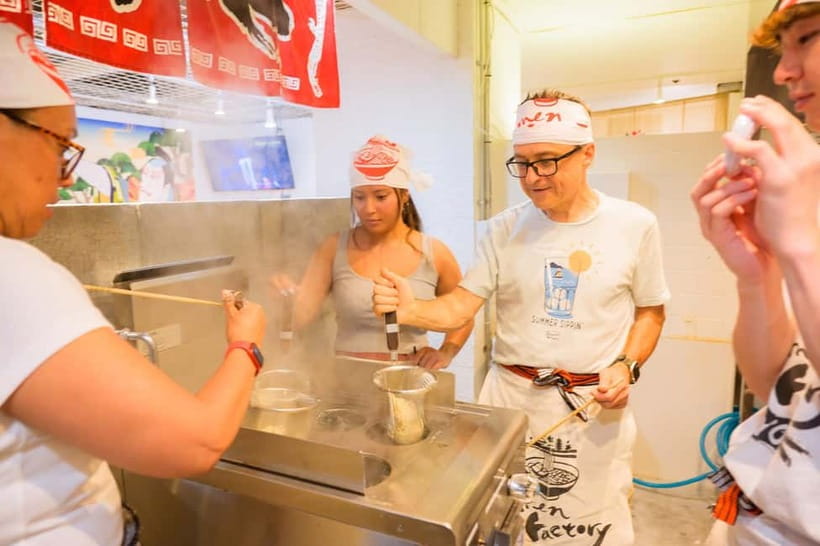
The class doesn’t just hand you your souvenir and send you off. You enjoy the ramen you’ve made while looking back at the experience. That may sound like a sentimental line, but it’s practical.
Cooking classes often fail when the cooking is the only part. Here, the tasting locks in the learning. You’ll remember what you did right because you can connect it directly to flavor and texture.
If you’re deciding whether to book, ask yourself one question: do you want the reward of eating a real homemade bowl at the end? If the answer is yes, you’ll feel like the class “delivered,” not just “taught.”
About the Mt. Fuji and Lake Kawaguchiko setting
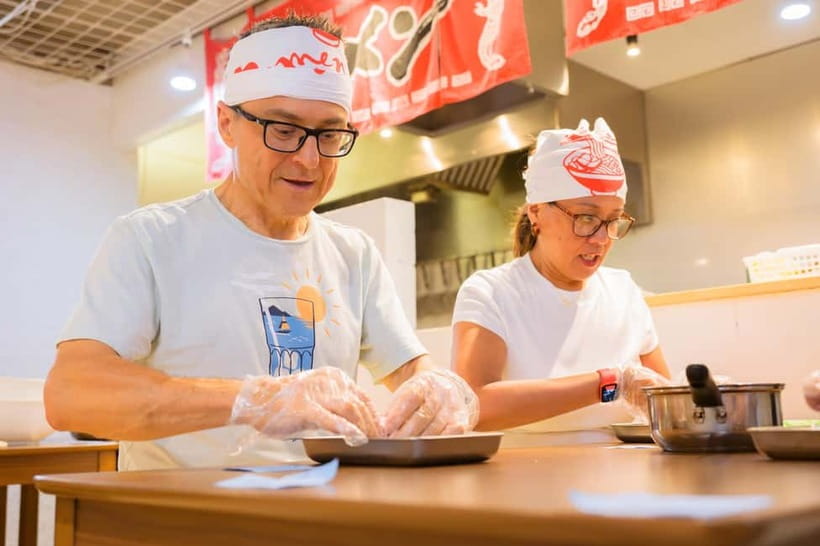
The broader experience is tied to the Lake Kawaguchiko area, with Mt. Fuji mentioned as part of the backdrop. That matters because Kawaguchiko is already a scenic base for day trips and photo breaks. Adding a cooking class here turns your trip into more than just sightseeing.
Still, treat it as a cooking-first activity. The center of gravity is the ramen class itself: noodles, soup and sauce, then eating your bowl. If you’re expecting a long, slow view session like a guided lakeside stroll, you might find the 90-minute cooking window keeps you moving.
Souvenirs: what comes home with you
After class, you get 4 different types of souvenirs to choose from. That’s not just an add-on. In a hands-on cooking experience, a take-home item helps cement the memory.
Here’s the practical side: you’re already cooking and tasting. Souvenirs give you something tangible afterward that isn’t another shelf object you’ll forget. Since the specific souvenir types aren’t listed in the details I have, your best approach is to decide when you arrive and see what’s available to choose from.
Also, keep your packing in mind. Even small souvenirs can add bulk—especially if you’re already carrying snacks and gifts from the lake area.
Price and value: is $133 fair for ramen class?
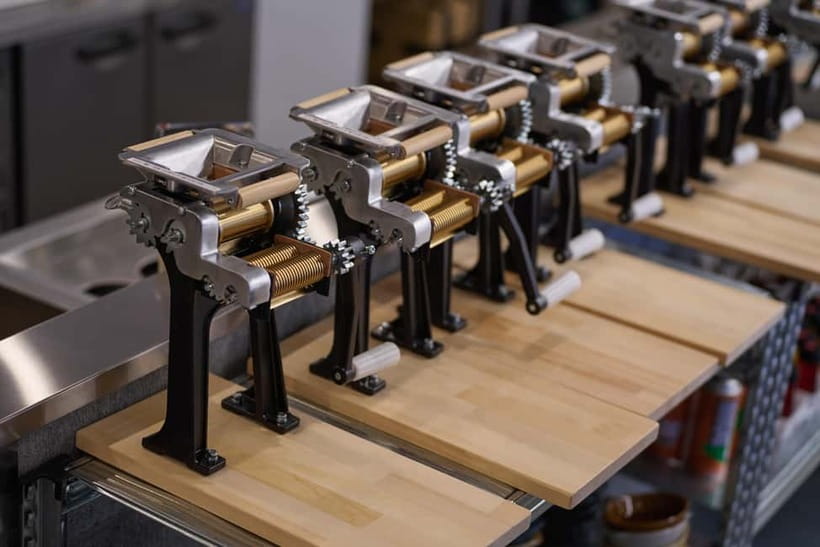
$133 per person is not a budget cooking class. So you should expect it to include real value, not just “someone watched you boil water.”
In this case, the included items are the value engine:
- 90-minute ramen making class
- ramen apron and headscarf
- overview video about making ramen from scratch
- ingredients for ramen making
- choice of soup and sauce
- 4 souvenir options
That combination is what you’re paying for. You’re not paying for a lecture. You’re paying for hands-on instruction, included ingredients, and a finished bowl experience. The reviews also back up the idea that the class is well organized and friendly, with teachers guiding step-by-step and answering questions.
So when does this price make sense?
- You like ramen and want to learn a repeatable method
- You’d rather spend money on a guided skill than a stack of souvenirs
- You value eating what you made, right after cooking
When might you skip it?
- If your goal is saving money and doing only free sightseeing, this isn’t the pick
- If you hate cooking with your hands or expect a purely observational experience, it could feel like effort for not much payoff
Practical tips so your class goes smoothly
A few small habits will help you get the most out of the day.
First: arrive early. You’re told to arrive 10 minutes early so you can prepare for class. Do it. That buffer keeps you from rushing into the first cooking steps.
Second: wear comfortable clothes suitable for cooking. You’ll be working at a kitchen setup, and you don’t want to worry about slipping, stains, or anything restrictive.
Third: if you have food allergies, notify in advance. Allergy handling is one of those “say it early” situations, and it’s the only way to make sure your experience is safe and smooth.
Last: plan for drinks separately. Drinks aren’t included, so have a water plan before or after you cook.
A quick note on the written description mismatch
The activity notes I received include a mention of a puzzle-style sushi element and wasabi-related details. At the same time, the listed inclusions and the practical ramen focus in the feedback strongly point to a ramen class built around noodle making, broth/sauce choice, and eating the ramen at the end.
So how should you handle this as a traveler?
- Read your confirmation details closely when it arrives.
- If there’s any additional segment mentioned (like the wasabi/sushi puzzle), treat it as an added technique component rather than your main expectation.
- Keep your planning centered on the ramen hands-on work, since that’s what the class includes and what people praise most.
Who should book this ramen class (and who may not)
This class is a good fit if you’re:
- A ramen fan who wants to make noodles from scratch
- Someone who learns better with hands-on instruction than reading recipes
- Visiting the Kawaguchiko area and want one “activity that isn’t just walking”
You may want to think twice if you’re:
- On a tight budget and don’t want to pay for instruction and included ingredients
- Short on time and want only a quick stop between viewpoints
- Expecting transportation or drinks to be part of the package (they’re not included)
Should you book Lake Kawaguchiko Ramen Cooking Class with Souvenir?
If you like ramen, I think this is an easy yes. The strongest reason is simple: you’re not just learning about ramen, you’re making noodles yourself, choosing your soup and sauce, and then eating the bowl you made. That’s exactly how you get value from a cooking class.
The price is the only real “pause.” At $133, you’re paying for a guided, included-ingredient experience plus take-home souvenirs. If that sounds like your kind of splurge, book it. If you’d rather spend that money on extra days of lake views and low-cost meals, you can still enjoy Kawaguchiko—just do ramen differently elsewhere.
FAQ
How long is the ramen cooking class?
It’s a 90-minute ramen making class.
What’s included in the price?
You get the ramen making class, an apron and headscarf, an overview video about the process, ramen ingredients, a choice of soup and sauce, and 4 souvenir options.
Do I get to choose my soup and sauce?
Yes. You can choose from the available options for soup and sauce as part of the class.
Are transportation and drinks included?
No. Transportation to and from the Ramen Factory is not included, and drinks aren’t included.
Where do I meet for the class?
Meet at the start point near Kawaguchiko Station: exit the station onto the front street, walk straight left for about 3 minutes, and it’s diagonally across from Fujitempra IDATEN.
What language is the class taught in?
The class is taught in English.
What should I do if I have food allergies?
Participants with food allergies should notify in advance so the team can handle it appropriately.
If you want, tell me your travel dates and whether you’re already near Kawaguchiko Station. I can suggest a simple way to fit the 90 minutes into a Lake Kawaguchiko sightseeing day.