REVIEW · OSAKA PREFECTURE
Cook Homestyle Ramen and Gyoza from scratch
Book on Viator →Operated by Japanese Cooking Studio -WA- · Bookable on Viator
A ramen class beats watching from the sidelines. This one is hands-on, small-group, and focused on cooking ramen broth from scratch and making gyoza skin and filling the same day. You start with ingredient basics, then you do the work—wrapping and grilling included.
I like how the lessons are designed so you can cook again at home, with recipes built for real-life ingredient hunting. I also like the personal teaching style in a home kitchen setting, not a big studio line. The only thing to keep in mind is that this is a non-refundable experience, so pick your date carefully.
In This Review
- Key Highlights You’ll Actually Notice
- From Senri-Chuo Station to a Real Home Kitchen
- What You’ll Cook: Creamy Ramen + Gyoza, Fully Built From Scratch
- The 30-Minute Chicken Ramen Broth Method (No Instant Stock)
- Ramen Toppings Workshop: Grilled Pork and a Seasoned Egg
- Gyoza From Scratch: Skin, Filling, Wrapping, Grilling
- How the Teaching Style Helps You Recreate the Recipes Later
- What the Schedule Feels Like in Real Life
- Price and Value: Is $78 Fair for 3 Hours of Cooking?
- Who Should Book This Cooking Class (and Who Might Skip It)
- Should You Book Japanese Cooking Studio -WA-?
- FAQ
- How long is the cooking class?
- Where does the experience start and end?
- What is the price?
- How many people are in the group?
- What dishes will I make?
- Is there any help with ingredients if I’m cooking abroad later?
- What is the cancellation policy?
Key Highlights You’ll Actually Notice
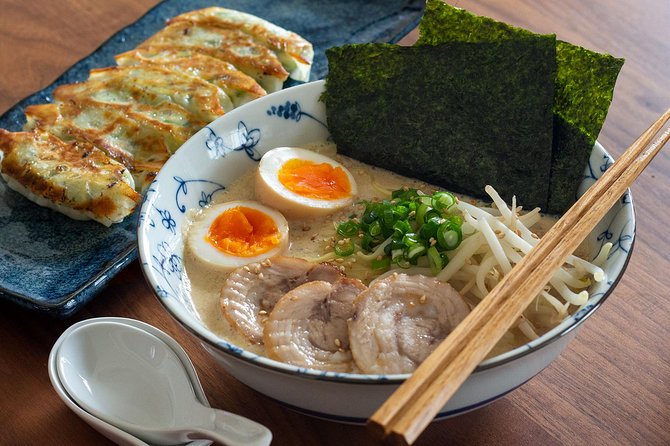
- Chicken ramen broth in about 30 minutes, without instant soup stock
- From-scratch gyoza workflow: skin, filling, wrapping, then grilling
- Ramen toppings built step-by-step, including grilled pork and a seasoned egg
- Small group size (max 5) for real feedback while you cook
- Recipe guidance for cooking abroad, including ingredient substitutions when Japanese items are hard to find
- Welcome tea and post-meal chatting at the end of the class
From Senri-Chuo Station to a Real Home Kitchen
I like when a class starts with a simple plan you can follow, and this one does. You meet at Senri-Chuo station and walk a few minutes to the instructor’s home kitchen. That short transfer matters because you’re not bouncing between multiple locations. You’re just going from train to cooking, without friction.
The class runs about 3 hours with a 10:00 am start, and it ends back where you started. That makes planning easier if you want to pair it with other Osaka sightseeing later the same day.
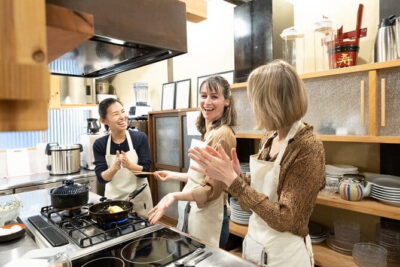
The group is limited to up to 5 travelers, so it doesn’t feel like you’re waiting behind a crowd. In a small kitchen, you also tend to learn faster because the instructor can correct technique while you’re in the middle of it—rather than after you’ve already rushed through the steps. You’ll want to arrive a touch early so you can settle in, grab a rhythm, and start with confidence.
One small practical note: the experience uses a mobile ticket, so have that ready on your phone.
You can also read our reviews of more tours and experiences in Osaka Prefecture.

What You’ll Cook: Creamy Ramen + Gyoza, Fully Built From Scratch
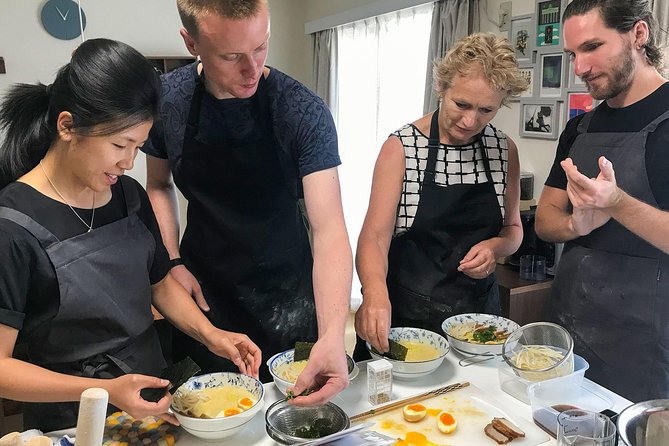
This class is built around two targets: homestyle ramen and gyoza. Not “here’s a bowl” or “here’s a shortcut.” You’ll make core components and then assemble them.
On the ramen side, you’ll learn how to prepare the broth and garnishes from scratch. The broth is a creamy chicken ramen style made without instant soup stock, and the goal is to show you a method you can reproduce at home. You’ll also cook ramen garnishes such as:
- grilled pork
- a seasoned egg
- other toppings included in the class flow
On the gyoza side, you’ll work through the full production line:
- make gyoza skin
- mix gyoza filling
- wrap the gyoza
- grill the gyoza
This matters because gyoza isn’t just one skill. It’s dough, filling balance, and a wrapping technique that affects how it cooks and holds together. If you only see one part, you can end up with gyoza that tastes fine but falls apart—or gyoza that holds shape but tastes bland. Here, you get the chain.
If you’re the type who likes to understand why something works, you’ll probably enjoy the way the instructor explains ingredients first, then demonstrates, then has you cook alongside.
The 30-Minute Chicken Ramen Broth Method (No Instant Stock)
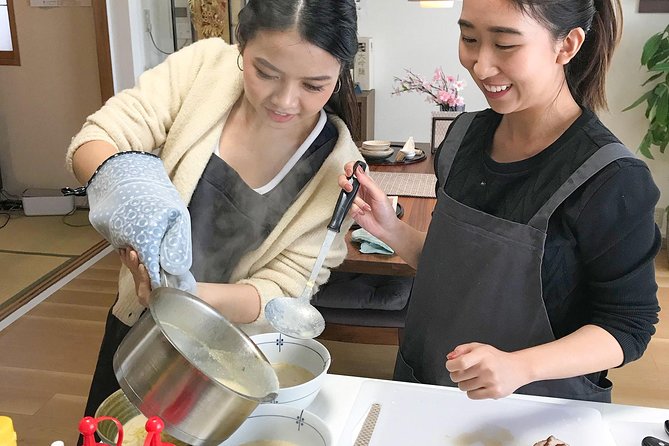
The ramen broth is where the class earns its keep. You’ll learn how to create a chicken-based ramen broth in about 30 minutes without using instant soup stock. That’s not a trivia point. It’s the whole reason this lesson is valuable when you’re not in Japan.
A quick broth method like this helps you avoid the two biggest home-cooking traps:
- thinking ramen always requires hours of stock-making
- relying on packaged flavor because you don’t know what to replace it with
In the class, you’ll start with basic Japanese ingredient understanding. Then you’ll put those ingredients into a broth workflow. The instructor’s recipes are designed to recreate easily at home, which is key. A lot of ramen instructions online assume you can easily source every ingredient. This class is more realistic about what ingredients you might actually find elsewhere.
I also like the “do it within the lesson” approach. When you’re actively cooking, you build a sense of timing—when things should simmer, when to adjust, and when you’re ready to move into toppings. Later, at home, you’ll have muscle memory, not just a recipe.
Ramen Toppings Workshop: Grilled Pork and a Seasoned Egg
Ramen is only as good as its toppings. This class treats toppings like their own mini-lessons, not afterthoughts.
You’ll make garnishes such as grilled pork, which adds savory, smoky depth to the bowl. You’ll also prepare a seasoned egg, a classic ramen topping that brings richness and a pleasing contrast to the broth. You’ll prepare additional toppings as part of the full set, so you’re not stuck with one or two elements.
Why this matters for your home results: most people get ramen broth close, then end up with bland topping work because they don’t know the seasoning logic. Here, you practice seasoning and cooking methods in the same rhythm as the broth. You learn what goes together, not just what tastes good in theory.
Also, a small home kitchen environment helps with technique. You can often adjust as you go—thicker slices cook differently than thin ones, and eggs need attention at different stages. With a group capped at 5, you’re more likely to get a quick fix before the whole batch is off.
Gyoza From Scratch: Skin, Filling, Wrapping, Grilling
If you want a hands-on win, gyoza is it. This class takes you through the whole process instead of stopping at shaping.
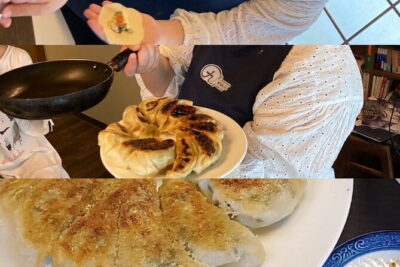
First comes gyoza skin—making the wrapper is a skill step, not a garnish. The instructor then helps you prepare gyoza filling, including the seasonings that make it taste right. Next, you’ll wrap the gyoza, which is where technique shows up immediately. A good wrap helps gyoza cook evenly and hold together during grilling.
Finally, you grill the gyoza. This is important because grilled gyoza is about texture: you want a crisp surface, but you also need the filling to cook properly. When you’re the one doing it, you start to understand the balance of heat and timing.
A nice bonus from the teaching style is patience. In the feedback from earlier participants, the instructor is described as enthusiastic and patient, and that shows up as a class experience you can follow even if you’re not a confident cook.
If you’re traveling with kids, this is one of the rare classes that can keep attention because you’re always doing something: mixing, rolling, wrapping, or grilling. One family noted their kids were engaged for the full session.
How the Teaching Style Helps You Recreate the Recipes Later
I love when a cooking class doesn’t end when the plates are cleared. This one is built around repeatability. The instructor specifically focuses on learning enough information so you can cook again when you get home.
That includes two big categories:
- Process understanding: you’re not just memorizing steps, you’re practicing them
- Ingredient flexibility: the instructor can suggest what to use instead of Japanese ingredients you might struggle to find abroad
That second piece is more useful than it sounds. Ingredient substitutions can make or break your result, especially with ramen and gyoza, where flavor depends on small but specific components. If you’ve tried Japanese recipes overseas and felt disappointed by the taste, you’ll appreciate having substitution guidance tied to the exact dishes you made.
Also, the class isn’t only demonstrations. You cook together. You start with welcome tea, then ingredient explanation, then demonstration, then hands-on cooking. That structure makes it easier to connect each action to the final flavor.
What the Schedule Feels Like in Real Life
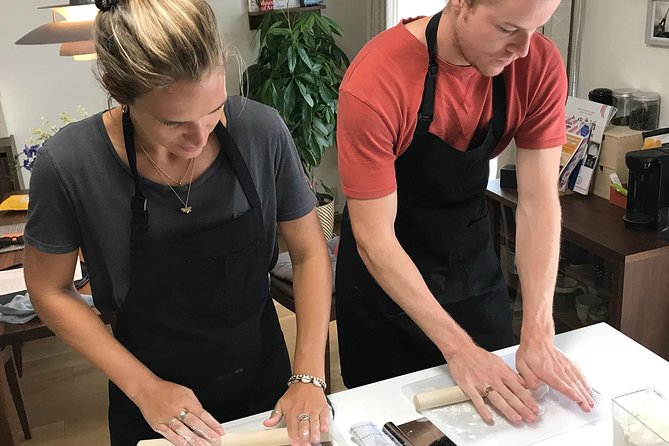
The day is paced for attention and output. In about 3 hours, you’ll cover a lot:
- ingredient overview with explanations
- broth-making method
- topping prep (like grilled pork and seasoned egg)
- gyoza skin and filling
- wrapping and grilling
- eating together
The order is smart. You deal with the core ramen work while the broth is building, then shift into toppings and gyoza prep so your hands are always useful. By the time you sit down to eat, you’re not waiting around wondering what you just made. You know how it came together because you did it.
The class also includes welcome tea and time to chat after the meal. That matters if you want your cooking class to feel like a human experience, not a timed lab. In earlier feedback, people highlighted how enjoyable the atmosphere was after cooking.
One practical thought: if you’re the kind of eater who likes to take slow bites and savor each component, you’ll have the advantage of knowing every part of the bowl. You’ll pick up what tastes like broth, what tastes like seasoning, and what comes from toppings.
Price and Value: Is $78 Fair for 3 Hours of Cooking?
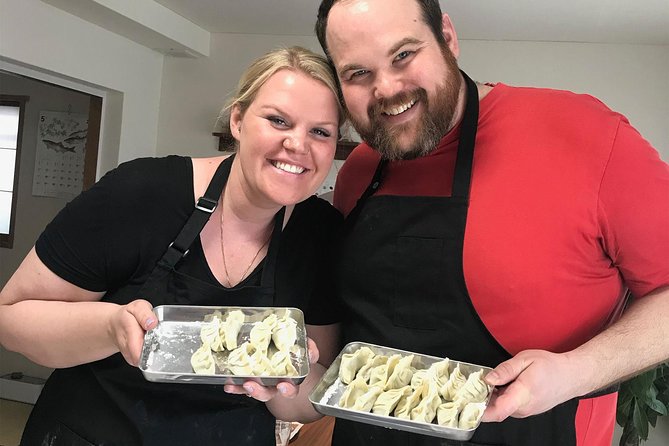
At $78 for about 3 hours, this isn’t a bargain-basement experience. But it also isn’t a fancy add-on. The value sits in three places.
First: you’re making multiple components from scratch—broth, toppings, gyoza skin, filling, wrapping, and grilling. That’s a full production session, not a single dish.
Second: you get a small group (up to 5), which increases the chance of real guidance while you cook. In bigger classes, you can end up doing the motions without getting fixes. Here, the teaching style matters because there’s space for correction.
Third: the class recipes are created with home cooking in mind, including substitutions for ingredients that are harder to source abroad. That turns the experience into a long-term skill, not a one-time meal.
So if your goal is food you can reproduce—plus real technique—you’re paying for outcomes you’ll keep using. If your goal is mainly to eat a lot and watch quietly, you might find it more work than you expected. But that’s also the point.
Who Should Book This Cooking Class (and Who Might Skip It)
You should book if:
- you want ramen from scratch without instant stock shortcuts
- you want to learn gyoza skin and wrapping, not just eat gyoza
- you like instruction that helps you cook later at home
- you appreciate a home-kitchen setting with a smaller group
You might skip if:
- you’re only interested in eating ramen but don’t want to cook
- you don’t do well in hands-on classes where you’re actively using your hands for most of the session
- you’re uncertain about your travel dates, since the experience is non-refundable and can’t be changed
If you’re traveling with family, this style is often a strong match because the activities are varied and practical. The class includes steps that can hold attention—mixing, shaping, and grilling.
Should You Book Japanese Cooking Studio -WA-?
I think it’s a smart choice if you want skills you’ll use again. The class isn’t just about tasting ramen in Osaka. It’s about learning how to build flavor systems: a quick chicken broth base, toppings that complement the broth, and gyoza that’s properly wrapped and grilled.
My decision rule is simple: if you want to bring home a usable ramen-and-gyoza routine, this fits. If you’re mainly seeking a passive cultural meal, look elsewhere.
FAQ
How long is the cooking class?
The class lasts about 3 hours.
Where does the experience start and end?
It starts at Senri-Chuo (meet at 1 Chome-3 Shinsenri Higashimachi, Toyonaka, Osaka 560-0082, Japan) and ends back at the meeting point.
What is the price?
The price is $78.
How many people are in the group?
The experience has a maximum of 5 travelers.
What dishes will I make?
You’ll make home-style creamy chicken ramen broth and ramen garnishes, plus gyoza. This includes making gyoza skin and filling, wrapping the gyoza, and grilling it.
Is there any help with ingredients if I’m cooking abroad later?
Yes. The instructor can suggest which ingredients are better to use as substitutes when Japanese ingredients are difficult to find outside Japan.
What is the cancellation policy?
The experience is non-refundable and cannot be changed for any reason. If you cancel or request an amendment, the amount paid will not be refunded.