REVIEW · CAN THO
Can Tho Motorbike Tour – Rhythms of the Mekong Delta
Book on Viator →Operated by Mekong Smile Tour · Bookable on Viator
A motorbike day with real Mekong Delta rhythm. This Can Tho tour strings together small coffee stops, local food workshops, and quiet heritage sights with the easy flow of a guided ride across back roads. I like the way the morning begins with traditional coffee and ends with a human-scale look at Can Tho rather than a rush of big-ticket stops. One thing to keep in mind: a couple of entry fees aren’t included.
What I really like is the hands-on food part. You’ll watch rice noodles come to life at a Hu Tieu workshop, and the day also includes cacao and chocolate tasting plus a proper chance to eat local-style pancakes like Bánh Xèo. I also appreciate that the day is guided by an English expert, with past groups praising guides such as Pi and drivers such as Mihn for clear explanations about war, religion, and everyday life.
The main drawback for your wallet is that not everything is priced in. The itinerary notes admission isn’t included for the Khmer pagoda stop and for the Giàn Gừa heritage relic, so it’s smart to budget a little extra for those two entries.
In This Review
- Key highlights you’ll care about
- Ninh Kieu Wharf coffee and getting oriented fast
- Bao Tang Quan Khu 9: war artifacts explained in plain language
- Hu Tieu rice noodles workshop: making noodles and tasting the process
- Khmer Buddhist temple stop: spiritual life and respectful questions
- Giàn Gừa heritage tree relic: a pause from the road
- Cacao and chocolate tasting, plus the fruit garden finale
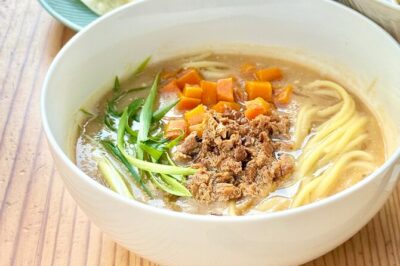
- Bánh Xèo and local snacks: where the Mekong Delta flavors show up
- Motorbike logistics, comfort, and why group size matters
- Price and value: what $56.52 includes, and what you might add
- Should you book this Can Tho Motorbike Tour?
- FAQ
- How long is the Can Tho Motorbike Tour?
- How much does the tour cost?
- Is pickup offered?
- What’s included in the price?
- What is not included?
- How many people are in a group?
- Is the ticket mobile?
- What if I need to cancel?
Key highlights you’ll care about
- Traditional coffee start at Ninh Kieu Wharf with a slow, old-school preparation method
- Hands-on Hu Tieu rice noodle workshop plus the chance to try a local black coffee
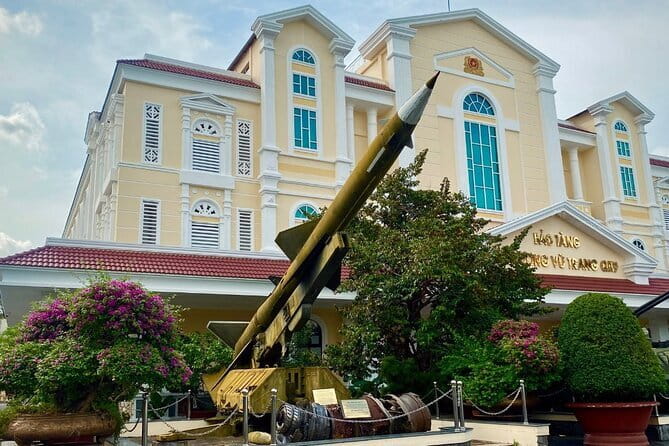
- War history at Bao Tang Quan Khu 9 with military relics that make the stories feel close
- Khmer pagoda and Giàn Gừa heritage tree for a calmer, more spiritual pause in the middle of the day
- Organic cacao farm chocolate tasting and a fruit garden stop with fresh tropical bites
- One motorbike per person with a guide-driver setup that keeps you moving at a manageable pace
Ninh Kieu Wharf coffee and getting oriented fast
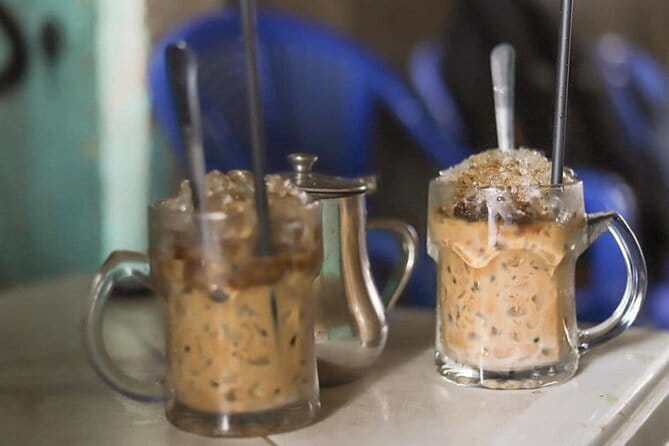
The day starts at Ninh Kieu Wharf, with pickup offered from your hotel or a meeting point. You’ll head to a small local coffee shop first, where the big theme is tradition: a traditional technique for making coffee that feels like something you’d watch in a neighbor’s kitchen rather than a staged show.
This stop matters because it does two things for you. First, it gets you set up for the ride ahead with a warm drink and an easy start. Second, it gives your guide a chance to set the tone—what you’re seeing that morning, and how the Mekong Delta connects daily life to food, faith, and the land. In past departures, guides such as Pi have also been praised for explaining the context as you go, so you’re not just collecting photo moments.
One practical note: the tour includes coffee and fruit, so you can keep snack spending down later. Still, come hungry. This is the kind of route where you’ll keep tasting your way through the morning and afternoon.
You can also read our reviews of more tours and experiences in Can Tho.
Bao Tang Quan Khu 9: war artifacts explained in plain language
Next up is the Bao Tang Quan Khu 9 area, a stop tied to the victory history and the story of Military Zone 9. The focus here is on remnant-of-war displays—examples like helicopters, tanks, and a fire jet—presented in a way that helps you understand what the region lived through.
I like stops like this when they’re handled with care, not shock value. A guided explanation turns the relics into information you can actually use: why this area mattered, how people rebuilt afterward, and how history still shapes local identity. If you prefer museums that teach in a calm, straightforward way, this one fits.
Since entrance fees are listed as included, you can treat this as a built-in learning stop. Still, you might want to bring a little patience. History sites can slow the pace a bit, especially when your guide is answering questions along the way.
Hu Tieu rice noodles workshop: making noodles and tasting the process
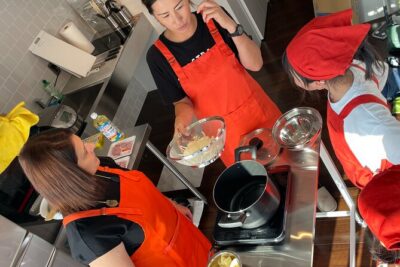
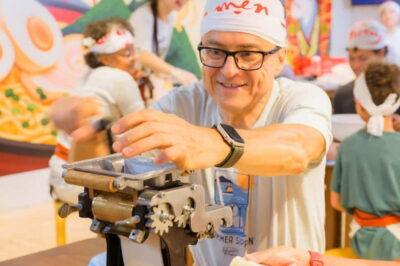
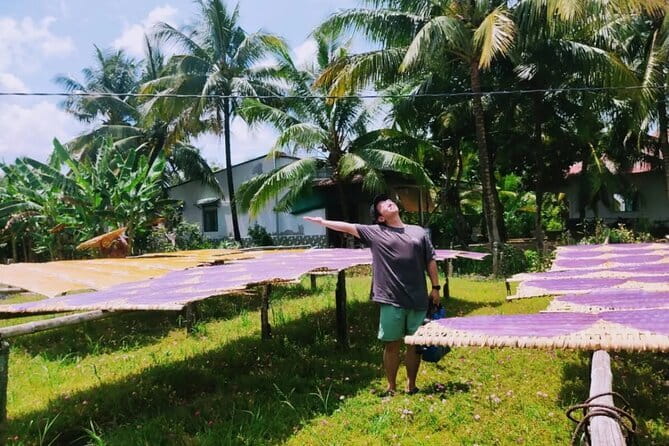
One of the best parts of this tour is the rice noodle workshop. You’ll go to a local traditional rice noodle factory and observe the step-by-step process of making Hu Tieu—rice noodles that later show up in Vietnamese meals across the region.
What you’ll get isn’t just watching from the sidelines. The tour description highlights that you can experience the process yourself, which usually means you’ll see how ingredient-to-dough-to-shaping actually works. For me, that’s where food tours become more than eating. You start to understand why the texture and thickness matter, and why the taste changes based on how noodles are handled.
You’ll also savor a cup of local coffee described as a black elixir. It’s the kind of stop that sounds unusual, but it’s a quick taste point that helps you reset for more walking and riding after.
Also pay attention to timing. This is a morning session stop, and it pairs well with the earlier coffee. By the time you finish, you’re set up to enjoy later snacks without feeling like you’re just stuffing yourself. That rhythm is part of the tour’s value.
Khmer Buddhist temple stop: spiritual life and respectful questions
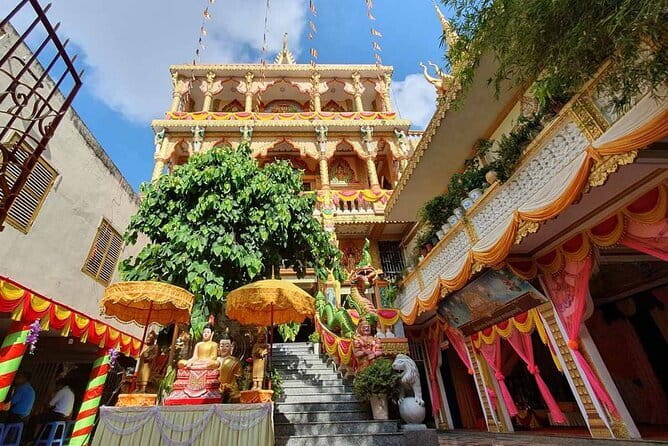
After the noodle workshop, the route shifts toward faith and daily life with the Munir Ansay Khmer Pagoda stop. This is scheduled as the afternoon session temple visit.
The itinerary clearly notes admission is not included for this stop, so it’s smart to plan for an extra ticket. Even if you keep expectations reasonable, this is still the kind of visit that adds depth. Instead of only seeing what’s famous, you get a chance to notice how spirituality fits into everyday routines—how locals treat the space, how they move through the setting, and how the pagoda environment feels compared with other Mekong Delta sights.
In past groups, guides like Pi have been praised for giving explanations about religion and local life, and that style tends to make temple visits easier to enjoy. You’re not expected to know the background in advance. Your guide helps you ask better questions and notice the details.
Practical tip: wear clothing that feels comfortable for a quiet temple stop—nothing too hard to adjust if you’re asked to be respectful. Since this isn’t listed as optional, plan to stay through the guided portion.
Giàn Gừa heritage tree relic: a pause from the road
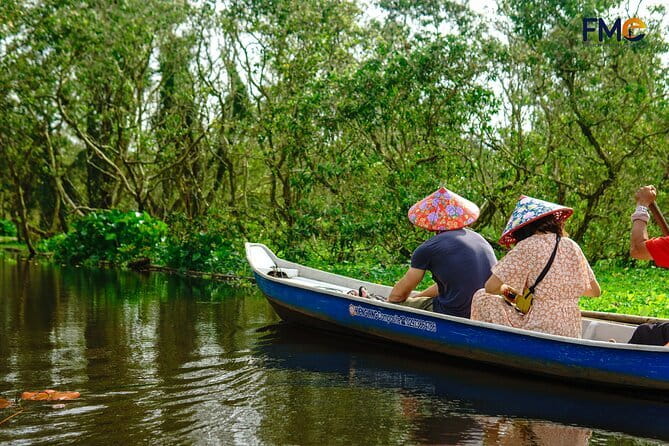
Then comes the Giàn Gừa heritage relic tree stop. The tour frames it as a Vietnamese recognized heritage tree, found in a more hidden-feeling area of Can Tho.
This is one of those stops that works well after the busier parts of the day. You’re on motorbikes earlier, then you’ve moved through history and food. The Giàn Gừa pause gives you something different: shade, stillness, and a calmer pace where your guide can talk about the place without everyone rushing for the next photo.
The itinerary also lists admission for this stop as not included. It’s a small add-on, but it’s worth remembering so it doesn’t surprise you at the counter.
If you like stops that feel like local time—less performance, more atmosphere—this is a good match. It also gives your body a break before the final meal and fruit phase.
Cacao and chocolate tasting, plus the fruit garden finale
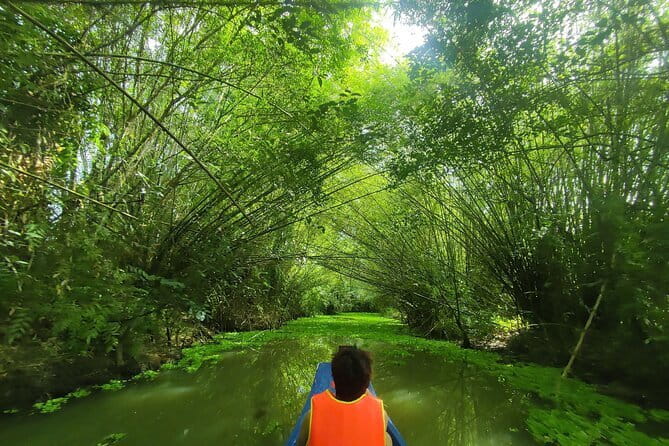
The tour’s afternoon includes sweet stops that feel tied to the region, not just generic “tasting time.” You’ll have a chance to try Vietnamese chocolate at one of the biggest organic cacao farms in the Mekong Delta. That matters because it ties the taste to place. In areas where cacao is a working crop, people often have a stronger relationship with the ingredient than you’d see in purely tourist-facing chocolate counters.
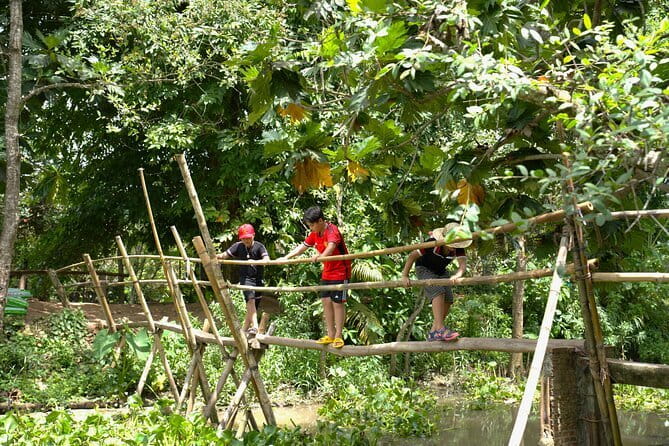
After that, the last main area is a fruit garden in Can Tho. Fruit is included, and the tour gives you time to enjoy tropical fresh fruit. You’ll also have an activity option: crossing the monkey bridge, or choosing local bites that are your own expense.
I like the way the final hour is structured. You don’t have to turn it into an all-day food marathon. You can pick what you feel like doing: fruit only if you’re conserving energy, or the monkey bridge challenge if you want something playful and photogenic without needing extra planning.
One budgeting note: the monkey bridge and extra food are listed as your own expenses. Fruit is included, but anything beyond that is optional.
Bánh Xèo and local snacks: where the Mekong Delta flavors show up
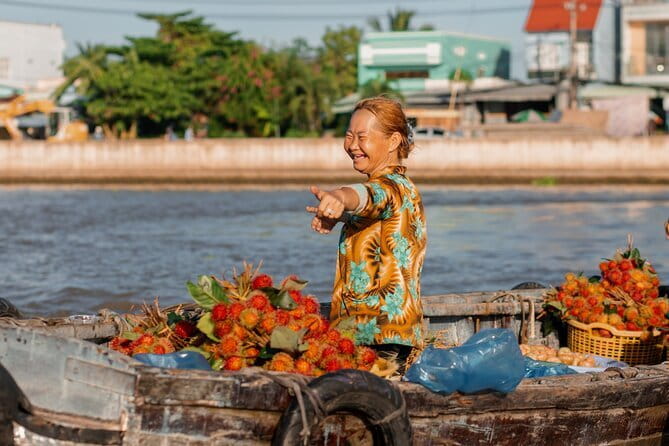
The tour description calls out Bánh Xèo—Vietnamese pancake served with many types of herbs and a special sweet-and-sour sauce. This kind of meal is a great fit for this route because it’s shareable and it’s flavorful without being complicated.
Even though the itinerary stop list doesn’t name the Bánh Xèo in a numbered stop, it’s still part of the overall experience the tour advertises. For you, that means you should expect more than one taste moment and plan your appetite accordingly.
Here’s the practical way to think about it: after coffee and noodles in the morning, you’ll be ready for something savory in the afternoon. Then the fruit garden gives you a clean reset with sweet flavors.
If you have strict dietary needs, the data doesn’t spell those out. So before booking, check with the operator about herbs or sauce ingredients if you’re sensitive.
Motorbike logistics, comfort, and why group size matters
This is a motorbike tour, and the day is designed for motion with short stops. The included setup includes transportation on motorbike and an English expert tour guide and driver, listed as 1 pax per 1 motorbike. That single-rider approach is helpful if you want less juggling and clearer instructions about where to look and when to slow down.
Group size is capped at 10 travelers. That small limit usually keeps the route calmer. You’re less likely to feel like a traffic line, and your guide can manage conversations and pacing better.
On safety: one of the strongest points from past experiences is that the ride felt safe, and the driver was attentive to rider needs. If you’re a first-timer on a motorbike, that’s a reassuring sign. It also explains why this tour is marked as something most travelers can participate in.
Still, be realistic. A motorbike ride means wind, heat or sun, and some motion. Wear something comfortable, consider sunscreen, and bring a light layer if the weather feels unpredictable.
Price and value: what $56.52 includes, and what you might add
At $56.52 per person for about 6 hours, the price looks fair for a guided day with a mix of transportation, food, and multiple guided stops. You’re getting:
- Travel insurance
- Coffee and fruit
- Entrance fee (overall, though two specific admissions are noted as not included)
- Motorbike transportation
- An English expert tour guide and driver, with 1 person per 1 motorbike
So where does the value come from? It’s not just the number of stops. It’s the combination: a structured learning piece (history museum), a hands-on workshop (rice noodles), and two different atmosphere stops (temple and heritage tree), plus sweet and fresh food moments.
What to budget extra for:
- The Khmer pagoda stop admission is listed as not included
- The Giàn Gừa heritage relic admission is listed as not included
- Tips are not included
- Personal expenses at your discretion, like snacks and potentially the monkey bridge
If you go into it with that in mind, the cost makes sense for a half-day of guided riding and food.
Should you book this Can Tho Motorbike Tour?
Book this tour if you want a day that feels like it belongs to the Mekong Delta: coffee first, food with real process, and small stops that aren’t just checkboxes. It’s also a good choice if you like practical explanations about war, religion, and daily life from English-speaking guides such as Pi and Minh, who have been praised for keeping things clear while you move through the day.
Skip or reconsider if:
- You dislike motorbike riding and want a car-only plan
- You prefer only included admissions and don’t want to handle any extra tickets
- You’re very strict about dietary restrictions, since the menu details beyond highlighted dishes aren’t fully specified in the data
FAQ
How long is the Can Tho Motorbike Tour?
It runs for about 6 hours.
How much does the tour cost?
The price is listed as $56.52 per person.
Is pickup offered?
Yes, pickup is offered, and the tour starts at Ninh Kieu Wharf.
What’s included in the price?
The tour includes travel insurance, coffee and fruit, entrance fees (as listed), motorbike transportation, and an English expert tour guide and driver.
What is not included?
Tips and personal expenses are not included. Also, admission is not included for the Munir Ansay Khmer Pagoda stop and the Giàn Gừa historical relic stop.
How many people are in a group?
The maximum group size is 10 travelers.
Is the ticket mobile?
Yes, the tour offers a mobile ticket.
What if I need to cancel?
Free cancellation is offered. You can cancel up to 24 hours in advance for a full refund. If you cancel less than 24 hours before the start time, the amount paid isn’t refunded.