REVIEW · SAPPORO
Soba noodle making experience and tempura, Hokkaido sakeplan
Book on GetYourGuide →Operated by 手打ち蕎麦 もんど · Bookable on GetYourGuide
Four hands, one noodle goal. This private Hokkaido cooking class at 手打ち蕎麦もんど turns soba-making into something you can actually do, not just watch. I also love the smart pairing here: soba and tempura land on the same table, and a sake taster helps you pour the right Hokkaido bottles for the meal.
One thing to consider: you’re eating tempura in the middle of the lesson, and cooking fumes can bother sensitive eyes if ventilation isn’t doing its best. If that’s you, plan to sit/stand where the kitchen airflow seems strongest, and don’t be shy about speaking up early.
In This Review
- Why 手打ち蕎麦もんど feels like the right place to learn
- Hand-rolled soba: buckwheat dough to noodle shape
- Soba-mae: drinking sake before you finish the noodles
- Tempura with Japanese culinary artisans: why it fits so well
- The Sakeplan part: two Hokkaido pours, plus a licensed perspective
- What the 90 minutes actually feels like (and how to maximize it)
- Price and value: is $116 per person fair?
- Practical tips so the lesson stays fun
- Who should book this soba, tempura, and sake class?
- Should you book it?
- FAQ
- What is the location of the experience?
- How long does the soba and tempura experience last?
- Is this a private tour?
- What food and drinks are included?
- Do I need to be able to speak Japanese?
- Where do we meet?
- Is it suitable for children or teens?
- What if I have to cancel or change my plans?
- Can I book without paying right away?
Why 手打ち蕎麦もんど feels like the right place to learn
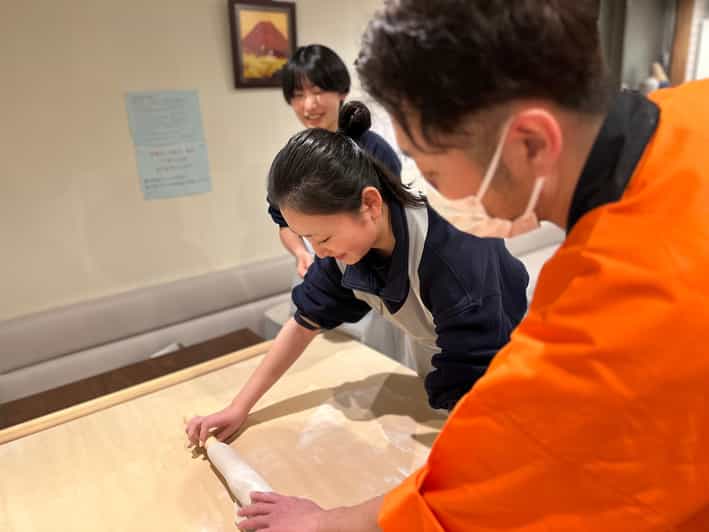
This experience is anchored at 手打ち蕎麦もんど in Sapporo, a handmade soba restaurant setup that makes sense for a short class. The biggest practical win is that you’re not bouncing around town. You start and finish in the same place, so your time goes to food—hands-on—and not transit.
Getting there is straightforward. The spot is a short walk from Sapporo Subway Tozai Line Miyanosawa Station (Exit 6). It’s also within walking distance of Shiroi Koibito Park, so you can line it up with other nearby plans if you’re exploring the area that day.
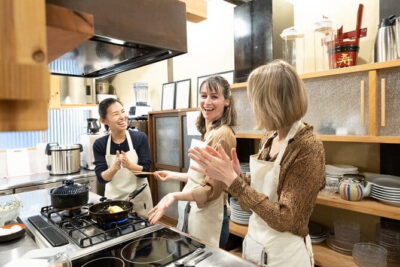
You’ll also like the private-group feel. It’s scheduled as a dedicated experience, not a crowded show. The instructor supports in English and Japanese, which matters a lot on a technique-based class like noodle cutting.
Hand-rolled soba: buckwheat dough to noodle shape
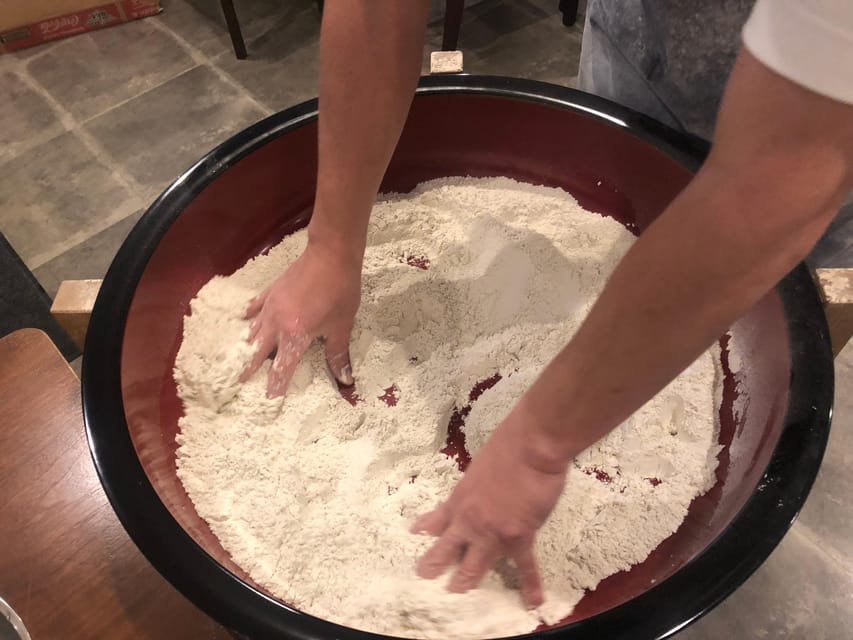
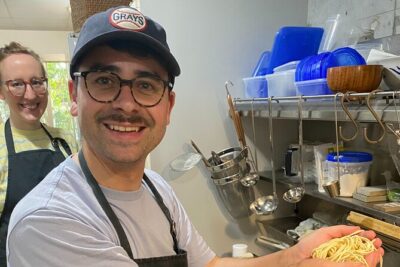
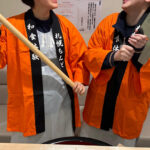
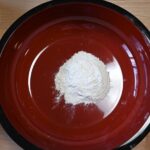
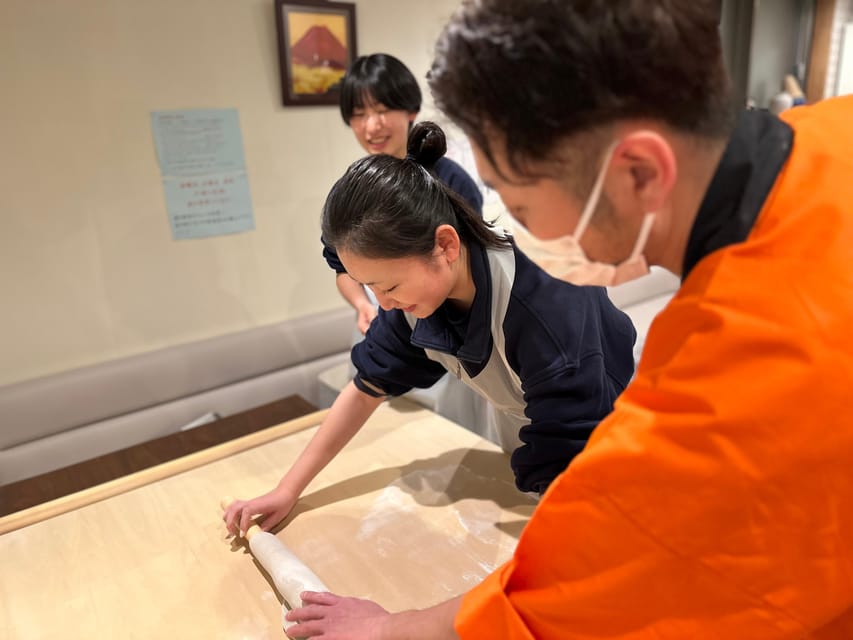
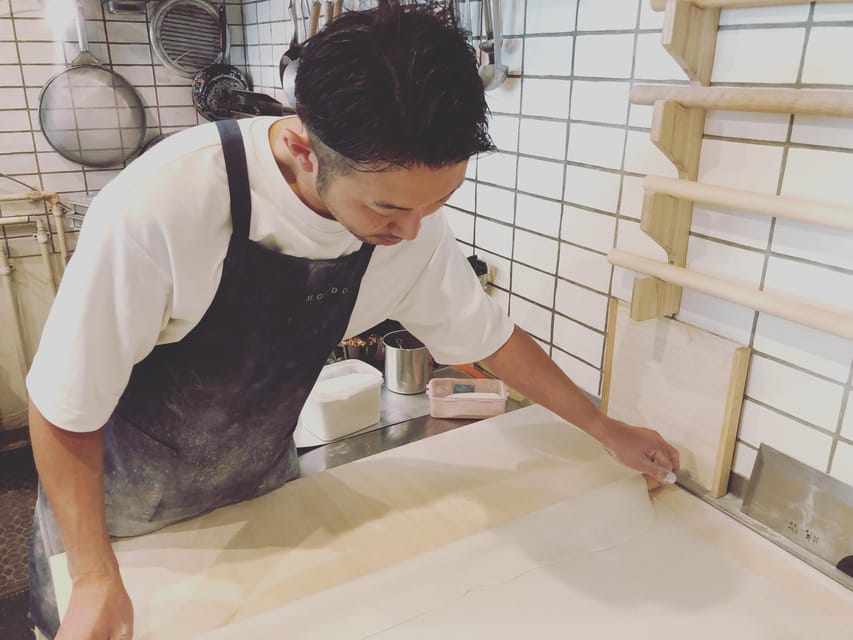
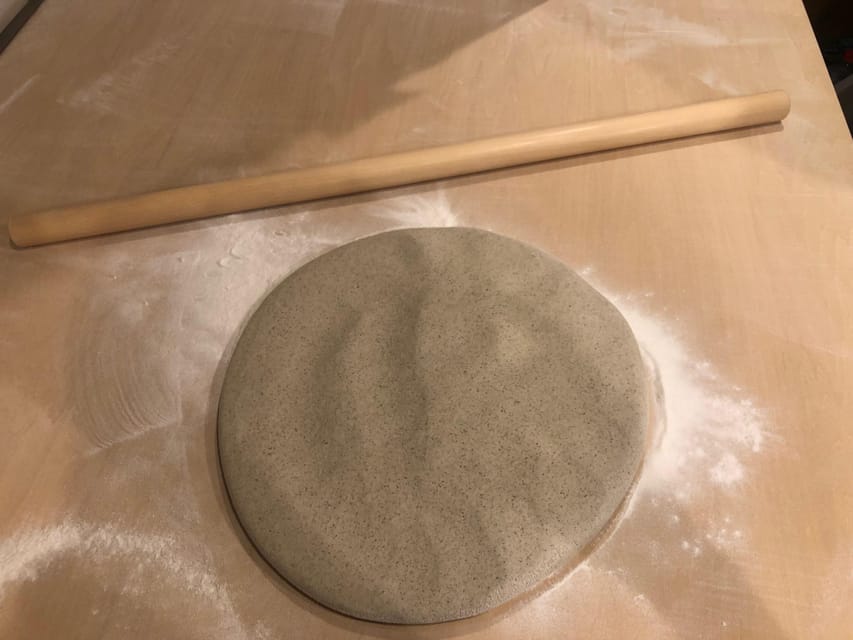
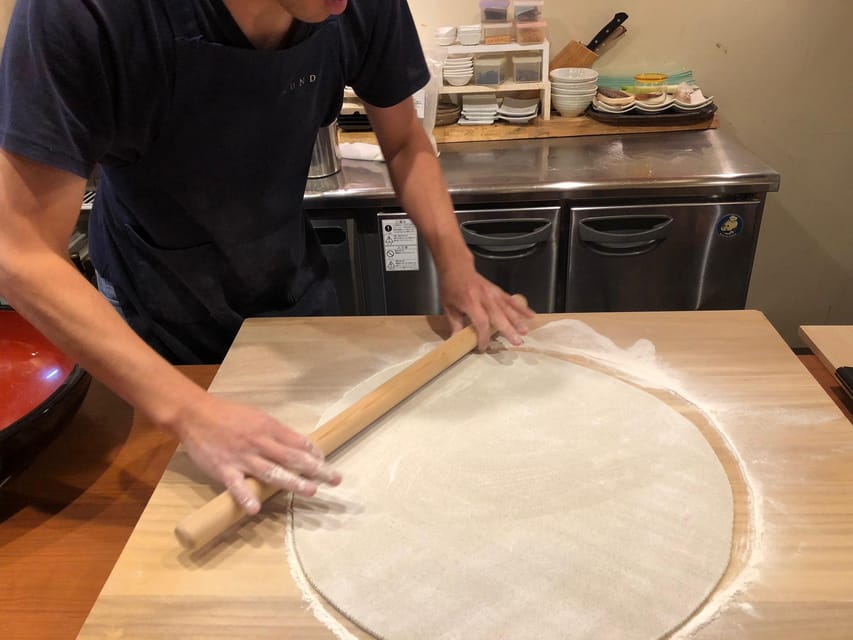
The core of the lesson is turning buckwheat into noodles by hand—real kitchen work, not a demo. You can expect help with the full process, including buckwheat noodle making plus buckwheat noodle cutting. The key idea: you’re learning the steps in a way that fits first-timers.
A special detail here is the type of soba being used. You’re told you’ll make the kind that has been produced since the Edo period in Japan. That’s not a throwaway line. It signals a specific tradition of soba production, and it helps explain why the method is taught so carefully.
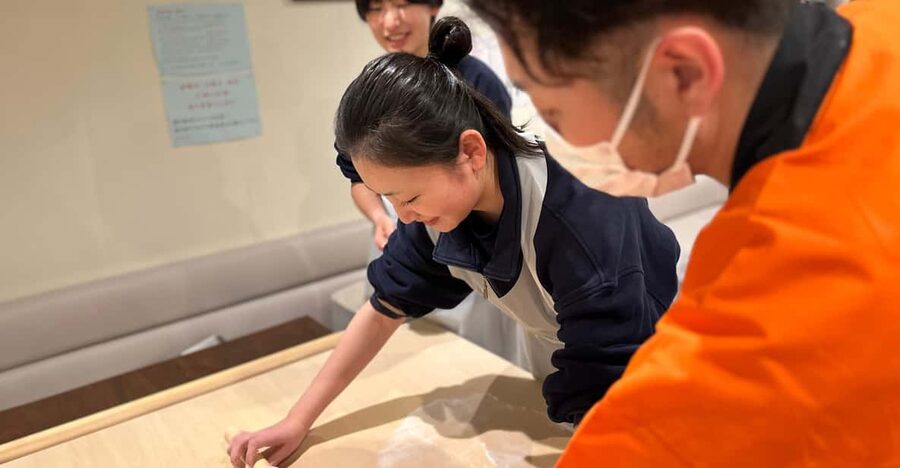
During the class, your instructor supports you as you roll and cut. You’re guided through the mechanics, and then you get to taste what you made. That tasting moment is the payoff: you’ll see how the texture changes when you control the dough handling and the cut.
You can also read our reviews of more tours and experiences in Sapporo.
Soba-mae: drinking sake before you finish the noodles
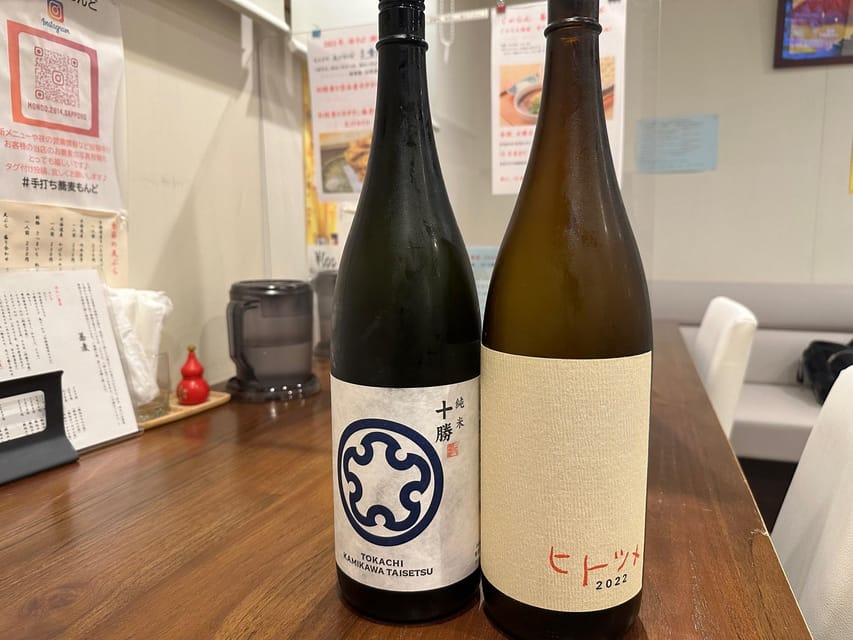
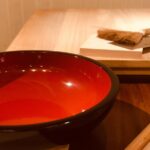
This is where the meal becomes more than just carb + crunch. There’s a Japanese custom built right into the plan: people often drink sake with soba, and the sequence is part of the tradition called soba-mae. In plain terms, you drink first, then finish with the soba.
The class adds a structured reason for that rhythm. You’re not just offered sake at random. A sake taster serves you and recommends two types of limited-edition sake from Hokkaido, paired to what you’re eating. That’s a big deal if you’ve ever ordered sake without knowing what to do with it once it hits the table.
If you like food with rules, this is for you. If you don’t like rules, you still get the benefit because the flow is practical: sake shows up, then you move into the noodles while flavors are still working together.
Tempura with Japanese culinary artisans: why it fits so well
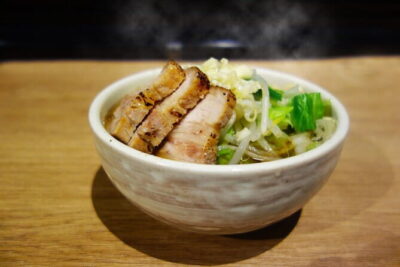
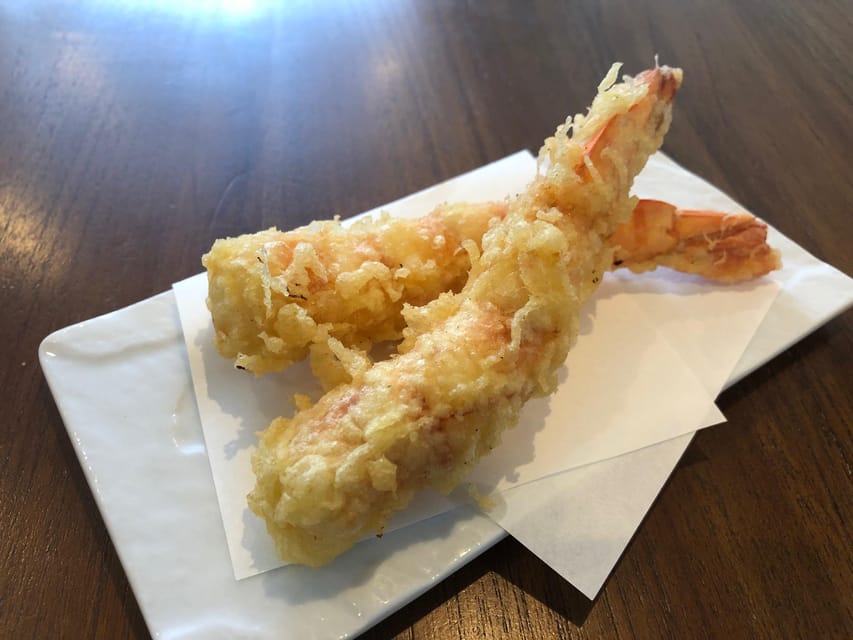
After the noodle work, tempura shows up as a set with the meal. The logic is simple: soba and tempura go together in a very common way, because one meal covers both sides of what many people want—warm, crispy bites plus a bowl of buckwheat noodles.
Here, the tempura isn’t cooked by a random station worker. The experience description frames it as being prepared by a Japanese food chef or culinary artisan. That matters because tempura timing is tight. Crispy texture lives or dies based on when things hit the batter and when they land on your plate.
You’ll likely notice the contrast right away while eating. The noodles are nutty and grounded, while tempura adds crunch and richness. Together, it’s a full set meal instead of a one-note snack.
The Sakeplan part: two Hokkaido pours, plus a licensed perspective
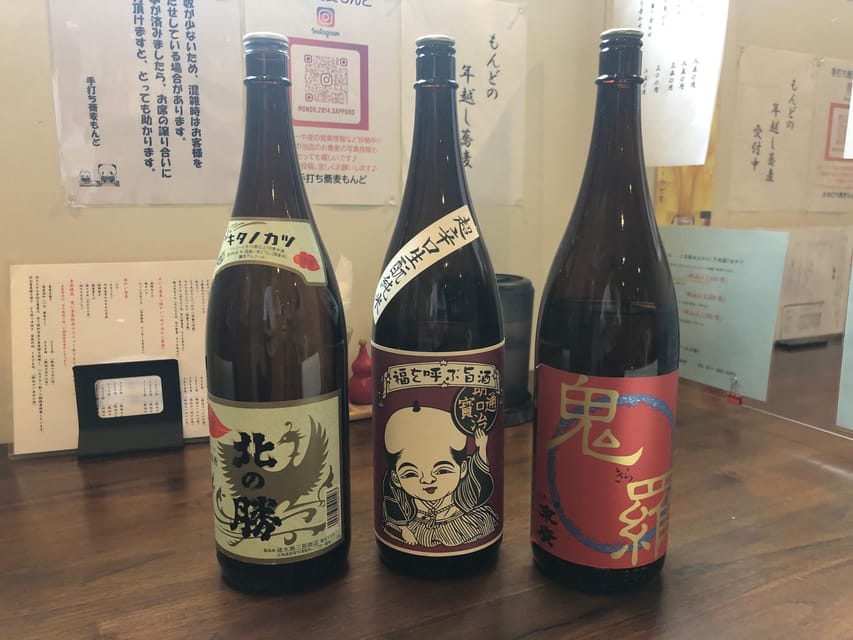
The sake component is one of the most distinctive parts of the experience. It’s not a generic add-on. The sake taster is described as having a sake license and serves you sake during the class.
You’ll taste two types of limited edition sake from Hokkaido. That gives you enough variety to learn something in a short time: you’re not locked into one bottle and hoping it works with everything. And since the taster recommends the sake, you’re getting tasting guidance rather than just a beverage on the side.
This is also the part that can make a private class feel more “local” than standard cooking tours. In Japan, sake isn’t just for drinking. It’s part of how food is built and served. The soba-mae rhythm and the tempura set make the pairing feel intentional, not accidental.
What the 90 minutes actually feels like (and how to maximize it)
The whole experience is listed as 90 minutes. A lot of cooking classes claim time and then stretch, but the structure here is pretty clear: you arrive, cook, learn the soba process, eat the results, and end with sake tastings along the way.
Since it’s a private group, your instructor can slow down or speed up based on what you’re doing. For technique-heavy tasks like rolling and cutting, that matters. You don’t want to feel rushed into a mistake, especially if you’re trying to enjoy yourself.
One detail worth noting from the experience style: it’s described as more casual than the full-on traditional versions. That’s good news if you want real instruction but still prefer a comfortable pace.
Language support is also practical. The instructor can work in both English and Japanese. You’ll get clearer answers if you can ask questions, so if you have a food curiosity (why certain steps matter, how soba should feel), this class gives you a chance to ask on the spot.
Also, if you’re the chatty type, the tone seems to lean friendly and conversational. One guest specifically called out Chef Taku and staff for making the class worthwhile with good conversation. That’s the kind of atmosphere where you learn more because you’re not just moving through steps—you’re understanding them.
Price and value: is $116 per person fair?
At $116 per person for a 90-minute private experience, you’re paying for more than a meal. You’re paying for instruction, a hands-on craft, food prepared by the chef, and two sake tastings tied to the meal.
Here’s what you actually get, bundled together:
- A handmade soba experience plus the meal
- Tempura
- Two limited-edition Hokkaido sake tastings
- A set-style experience plan in a private group
If you compare this to doing dinner in Sapporo plus buying sake separately, the pricing often starts to feel reasonable because sake tastings and tempura aren’t cheap when done well. You also get something many food tours don’t deliver: the satisfaction of eating noodles you helped make. That turns the class into a memory, not just a bill.
Could you eat soba and tempura for less on your own? Sure. But you’d skip the technique practice and the structured sake pairing. For many people, that’s the difference between a normal meal and an experience you’ll talk about later.
Practical tips so the lesson stays fun
A few things can make or break your comfort level during this kind of class.
First, arrive on time. The experience notes that if you arrive late, it can inconvenience other start-time customers. If you can’t make the start time, it’s treated as an unapproved cancellation. So set a realistic travel buffer and don’t gamble.
Second, consider your sensitivity to cooking fumes. One guest reported that tempura fumes made their eyes sting when the range hood was activated late. That’s not guaranteed to happen every time, but it’s a clear heads-up. If you know you’re sensitive, choose your spot so you’re not directly in the airflow path of the cooking area.
Third, come with an open mind about sake. The tastings are part of the plan, and the taster recommends what to pour. If you like trying new things, this becomes a mini guided tasting rather than a random beverage.
Finally, remember you’re doing both making and eating. You’ll likely want to take your time while you roll and cut. Rushing the steps can reduce both the learning and the satisfaction of tasting your own soba.
Who should book this soba, tempura, and sake class?
This is a strong fit if you want a hands-on food experience in Sapporo that includes a full meal. It’s also a good choice if you like Japanese food traditions and want the meal to follow a real rhythm—soba-mae, then finish with soba, plus tempura on the side.
It’s a private experience, so it works well for:
- Couples and small groups who want attention from the instructor
- Foodies who like craft and technique
- People who want sake pairing without needing to plan it themselves
- First-timers who want guidance rather than pressure
It’s not designed for everyone. It’s stated as not suitable for people under 20, so if you’re traveling with younger teens or kids, this one likely won’t be an option.
If you don’t drink alcohol at all, the included sake tastings could make the experience less appealing. The description frames the sake as a key part of the plan, so your comfort with tasting matters.
Should you book it?
Yes, if you want a meal that includes skill-building, not just eating. I’d book this when your priorities are:
- Hands-on soba-making with support for first-timers
- A meal that follows Japanese food logic (soba-mae plus tempura)
- Two sake tastings from Hokkaido with recommendations from a licensed sake taster
- A private setting where you can ask questions in English or Japanese
Skip it if you’re only looking for a simple dinner and don’t care about technique or sake pairing. Also think twice if cooking fumes bother you easily, unless you’re confident you can position yourself comfortably.
If your goal is to leave Sapporo with both a full stomach and a real “I did that” moment, this class lines up well.
FAQ
What is the location of the experience?
The experience takes place in Hokkaido, Japan, at 手打ち蕎麦もんど in Sapporo.
How long does the soba and tempura experience last?
The experience is listed as 90 minutes.
Is this a private tour?
Yes. It’s a private group experience.
What food and drinks are included?
You’ll have a handmade soba experience and meal, tempura, and two types of limited-edition Hokkaido sake for tasting.
Do I need to be able to speak Japanese?
No. The instructor is listed as working in English and Japanese.
Where do we meet?
Lunch is served at 手打ち蕎麦もんど (the meeting point). It’s noted as being a short walk from Miyanosawa Station (Exit 6) and within walking distance from Shiroi Koibito Park.
Is it suitable for children or teens?
It’s not suitable for people under 20.
What if I have to cancel or change my plans?
The experience states free cancellation up to 24 hours in advance for a full refund. It also notes you may cause inconvenience if you arrive late, and arriving late can be treated as an unapproved cancellation if you’re not able to come until the start time.
Can I book without paying right away?
Yes, it’s listed as reserve now & pay later, with pay nothing today.