REVIEW · SAPPORO
Ramen Making Experience in Sapporo
Book on Viator →Operated by 和do Studio Sapporo · Bookable on Viator
Ramen noodle class in Sapporo sounds nerdy. It is, but in the best way, because you leave with real skills and a bowl you helped build from dough to dinner. I like how the process is step-by-step, so you do not need cooking experience. I also like that you get to make and eat what you produce, not just watch.
My favorite part is getting hands-on with every stage: mixing dough, flattening it into sheets, and cutting your own noodles with a special knife. I also really appreciate the hospitality and patient instruction from the team, including Erika, who goes through details in a clear, careful way.
One thing to think about: this is a hands-on class with flour and dough, so your clothes may get dusty or messy. If you are sensitive about mess, plan to wear something you can sacrifice for the afternoon.
In This Review
- Key things that make this ramen class fun
- Ramen From Scratch in 90 Minutes: What You Actually Do
- Inside 和do Studio Sapporo: The Start, Tools, and Group Setup
- Kneading, Rolling, Cutting: The Noodle-Making Workshop
- Making dough: getting to smooth
- Flattening dough: rolling thin, evenly
- Cutting dough: the special knife moment
- Build Your Bowl: Toppings, Broth Base, and That First Slurp
- Price and Logistics: Is $64.87 Worth It?
- Practical Stuff Before You Go: Clothes, Mess, and Allergens
- Allergy notice you should read closely
- Safety note
- Who This Sapporo Class Fits Best (and Who Might Want Another Option)
- Should You Book This Ramen Making Experience in Sapporo?
- FAQ
- How long is the ramen making experience in Sapporo?
- Do I need any cooking experience to join?
- What do you actually make during the class?
- What should I wear?
- Are aprons and paper hats provided?
- What’s included in the price?
- What allergens are in the ramen?
- Where do I meet for the experience?
- Is transportation included?
- What is the cancellation policy?
Key things that make this ramen class fun
- Noodles from scratch: dough, rolling, and cutting are all part of the session
- An instructor-led flow: tools and steps get explained before you start
- Special cutting setup: you use a dedicated knife to cut your own noodles
- Eat immediately: your ramen shows up right after you finish cooking and assembling
- Erika’s patient teaching: careful, thorough guidance helps beginners succeed
Ramen From Scratch in 90 Minutes: What You Actually Do
This is a hands-on ramen making experience in Sapporo where you learn the noodle work and then assemble and eat your bowl. The timing is tight enough to feel focused, but not so rushed that you just slap dough around and hope for the best.
You start with a quick explanation of the tools and the sequence. Then you get to work: making dough, kneading it until it turns smooth, stretching and rolling it into thin sheets, and cutting those sheets into ramen noodles using the class’s special knife. After that comes the satisfying part: toppings and broth, then a first taste while everything is fresh.
I like this structure because it mirrors what ramen chefs actually do, just in a friendlier classroom form. You are not learning a random kitchen trick. You are building a repeatable approach: make, shape, cut, dress, and serve.
You can also read our reviews of more tours and experiences in Sapporo.


Inside 和do Studio Sapporo: The Start, Tools, and Group Setup
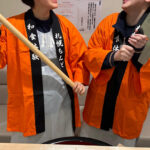
The class meets at 和do Studio Sapporo in Chuo Ward, Sapporo. That location matters because it is set up for this kind of activity, not a kitchen you have to hunt down inside a hotel or share with strangers. When you arrive, you are set for the session right away, with aprons and paper hats provided.
The experience is private, meaning only your group participates. That can be a real plus if you want to ask questions without waiting your turn behind a long line of people. You also get a mobile ticket, which typically makes check-in simpler once you’re there.
You will be near public transportation, so you are not stuck doing a long walk with flour-scented intentions. Just plan to show up on time: with a 1 hour 30 minute flow, the instructor needs everyone ready before the dough stage begins.
Kneading, Rolling, Cutting: The Noodle-Making Workshop
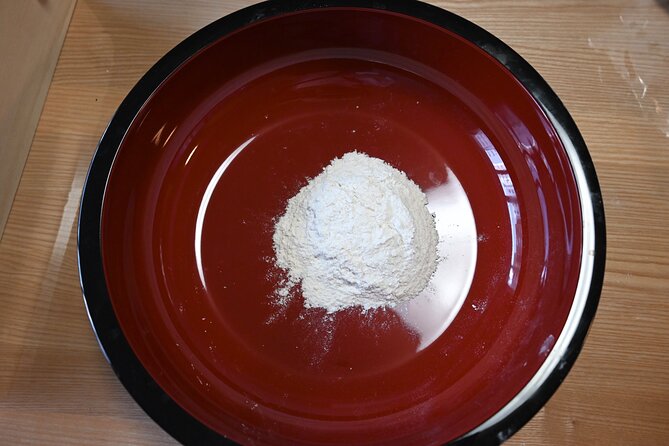
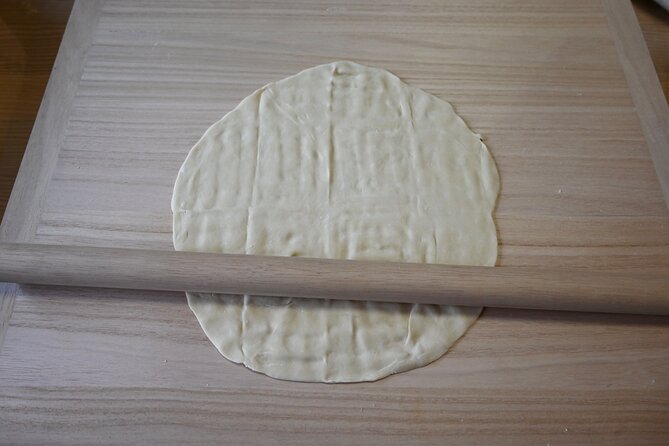
Here’s where the experience earns its keep. This class treats noodle making as a skill, not a magic trick. If you have ever wondered why restaurant noodles feel springy and consistent, this is your answer—at least for the parts you can control at home.
Making dough: getting to smooth
You start by mixing flour and water, then kneading until the dough turns smooth. Even if you have never kneaded dough before, the instructor guides you through what to look for. For ramen noodles, the goal is an even texture so the sheets roll without tearing or thick edges.
A small practical tip: kneading will make your hands feel doughy at first. That is normal. The class is paced for beginners, so you’re not expected to nail it in the first minute.
Flattening dough: rolling thin, evenly
Next is flattening the dough—stretching and rolling it into thin sheets. This is where consistency shows up. Thicker areas tend to create uneven noodles, and thin sections can cook faster. You do not need perfection, but you do need evenness, and the instructor’s step-by-step approach helps you get closer to that.

Cutting dough: the special knife moment
Then you cut your noodles using a special knife. This matters because cutting ramen noodles by hand with the wrong tool can lead to jagged widths. The knife is part of how the class helps you get noodles that look like ramen noodles, not kitchen noodles.
When you finish cutting, you’re basically half a chef already. It’s also the moment that makes the activity feel real: you can point at what you made and say, I did that.
Build Your Bowl: Toppings, Broth Base, and That First Slurp
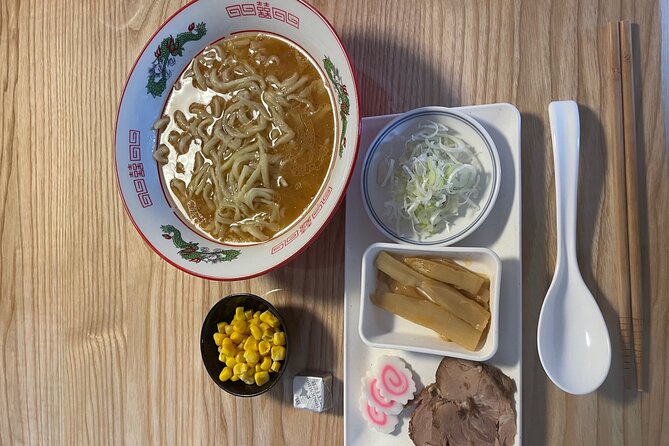
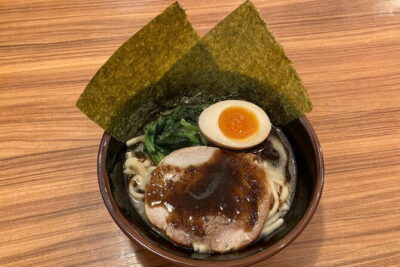
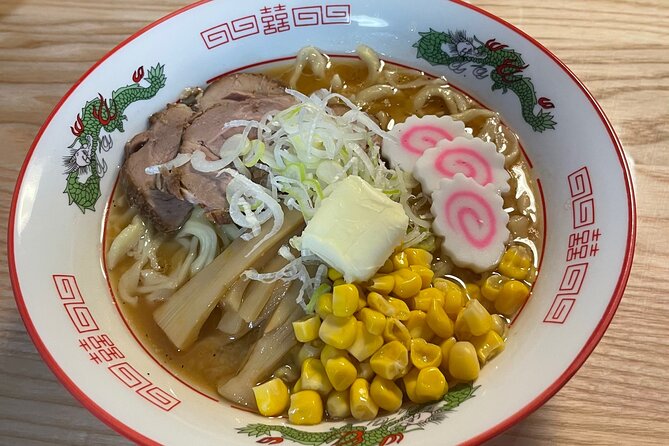
Once the noodles are done, you move into assembly mode. You decorate your bowl with your chosen toppings, then enjoy your freshly made ramen right away. That last part is key. Fresh noodles taste different than noodles that sat around. You get that just-made texture, and you get to enjoy the reward while your brain is still in learning mode.
One standout detail from the experience style is the broth suggestion. The hosts strongly recommend trying the miso broth as your base. If miso is an option during your class, I’d take that advice. Miso’s flavor holds up well against the wheat-forward taste of homemade noodles, and it makes the whole bowl feel comforting instead of subtle.
Toppings are part of making it feel personal. Even if you do not know Japanese cooking terminology, you can still build a bowl that matches your preferences. That reduces the intimidation factor, especially if you’re coming in as a ramen fan rather than a cooking person.
And yes, it is fun to eat what you just made. It’s also useful. When you taste your own noodles, you instantly learn what kneading smoothness and rolling thickness affect. That feedback is harder to get when you only watch someone else do the work.
Price and Logistics: Is $64.87 Worth It?
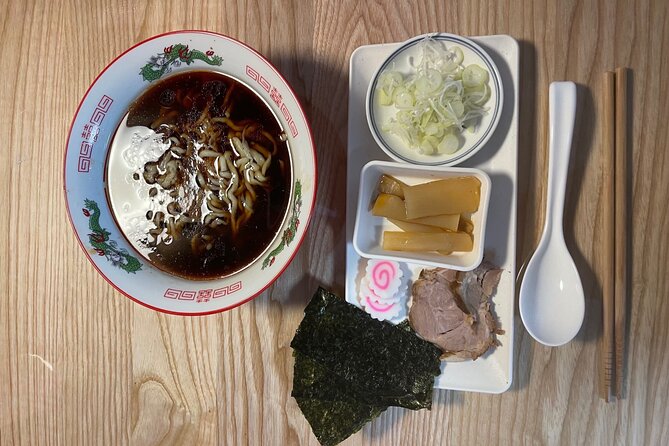
At $64.87 per person for about 1 hour 30 minutes, this is not the cheapest thing on your Sapporo list. But it also is not a generic food stop. You are paying for three things that cost time and coaching: ingredient prep, instruction, and a hands-on noodle skill.
Here is why it can be good value for the right traveler:
- You leave with a practical skill, not just a meal.
- The class includes the food you make and eat (so you are not paying extra for lunch or dinner on top).
- It’s private for your group, which helps the instruction feel focused.
If your Sapporo plan includes ramen already, this class is still different. A regular ramen shop gives you flavor and convenience. This gives you technique and context. That can make your later ramen tastings sharper, because you start paying attention to noodle texture and broth balance.
On logistics, public transportation is available, and the activity ends back at the meeting point. So you can keep your schedule simple afterward. Just plan your day so you are not rushing straight into something fancy where you’d feel stuck in flour dust.
Practical Stuff Before You Go: Clothes, Mess, and Allergens
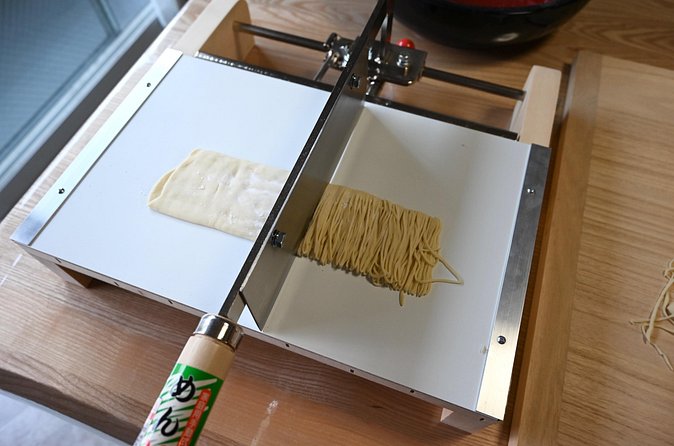
This class has a clear mess level: it uses flour and powder can get on your clothes. Wear comfortable clothes you do not mind getting a little messy. Sneakers are a smart choice. Loose sleeves can be annoying when you’re rolling dough, so pick something that won’t keep sliding onto your hands.
Paper hats and aprons are provided, which helps, but it does not magically make flour disappear. Think of it like baking: your outfit should be ready for a light makeover.
Allergy notice you should read closely
The ramen includes ingredients that cover a wide range of common allergens: wheat, egg, milk, sesame, mackerel, soy, pork, chicken, gelatin, rice, seafood, and apple.
If you have food allergies, do not skim this. You should treat this as a hard checklist before booking. If you’re not sure about how each ingredient is used in your specific bowl, ask the studio before the class starts.
Safety note
You’re working with a dough setup and a special knife for cutting noodles, so pay attention to the instructor’s guidance. The experience also states that precautions are taken, but they cannot be held responsible for injuries. In plain terms: listen closely, move carefully, and keep kids or anyone nervous about sharp objects out of the cutting area unless the instructor says it’s okay.
Who This Sapporo Class Fits Best (and Who Might Want Another Option)
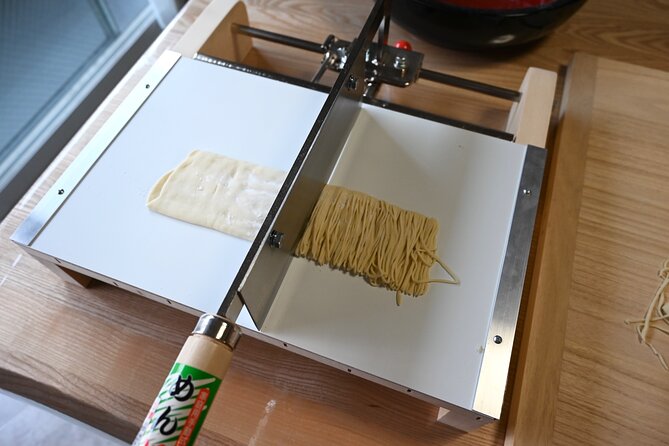
This experience suits you if:
- You love ramen and want to understand what goes into it.
- You enjoy cooking that has a clear, guided structure.
- You want a Sapporo activity that feels hands-on and social without being overly technical.
It can also be a great “first cooking class” choice because the instructor guides you step by step and says no experience is needed. That beginner-friendly setup is part of why it tends to score well.
You might reconsider if:
- You dislike mess and do not have clothing you can treat gently.
- You have restrictions related to the listed allergens.
- You want a longer tasting experience. This is a skill-building session with a meal at the end, not a slow food tour.
Group privacy is another deciding factor. If you want a class where your questions get answered without competing with a larger crowd, private setup is a real benefit.
Should You Book This Ramen Making Experience in Sapporo?
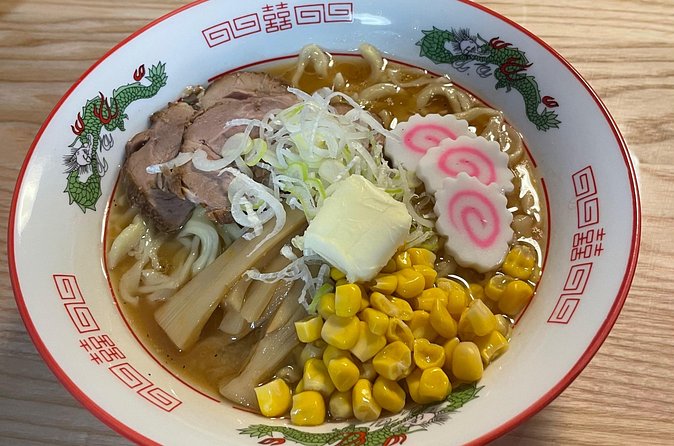
I’d book it if you want a memorable Sapporo food day that goes beyond eating. For the money, you get noodle-making practice, a guided experience that works for beginners, and a meal built from your own work. The noodle steps are the heart of it, and the quality of instruction—especially the careful teaching style associated with Erika—seems to be a big reason people love it.
Skip it only if flour-and-dough mess would stress you out, or if you need to avoid any of the listed ingredients. If those two issues do not apply, you’ll likely find this is one of the best ways to spend 90 minutes in Sapporo when you want something authentic and hands-on.
FAQ
How long is the ramen making experience in Sapporo?
It runs for about 1 hour 30 minutes.
Do I need any cooking experience to join?
No. The instructor guides you step by step, so no experience is needed.
What do you actually make during the class?
You make ramen noodles from scratch, then you assemble your ramen bowl with toppings and eat it.
What should I wear?
Wear comfortable clothes you don’t mind getting a little messy, since flour may get on your clothes.
Are aprons and paper hats provided?
Yes. The experience provides paper hats and aprons.
What’s included in the price?
Meals are included. You eat the ramen noodles you make.
What allergens are in the ramen?
The ramen includes wheat, egg, milk, sesame, mackerel, soy, pork, chicken, gelatin, rice, seafood, and apple.
Where do I meet for the experience?
The meeting point is 和do Studio Sapporo, 060-0063 Hokkaido, Sapporo, Chuo Ward, Minami 3 Jōnishi, 9-chōme 998 ICハイデンス.
Is transportation included?
No. Public transportation and private transportation are not included.
What is the cancellation policy?
You can cancel for a full refund up to 24 hours in advance of the experience start time. If you cancel less than 24 hours before, the amount paid is not refunded.