REVIEW · YOKOHAMA
Yokohama: Soba Noodle Workshop with a Soba Master
Book on GetYourGuide →Operated by misah_Yokohamaguide · Bookable on GetYourGuide
Buckwheat smell beats jet lag. In Yokohama, this hands-on class teaches 100% buckwheat soba from scratch with a soba master at Soba Studio CHIHANA. I loved the way the dough changes with each person’s hands, and I loved that the lesson ends with the soba you made. One catch: if you have a buckwheat allergy, you should skip this experience.
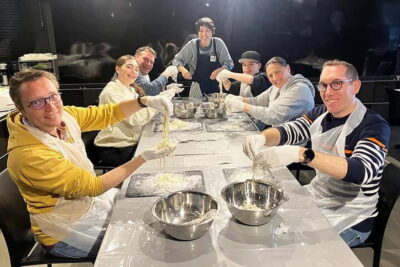
The flow is simple and satisfying: meet near Sakuragicho Station, make noodles for about an hour, then sit down at an izakaya-style restaurant to eat them. It’s not a quick “watch and snack” activity. You’ll get flour on your hands and learn real technique.
In This Review
- Key things I’d watch for
- What You Make: 100% Buckwheat Soba with Real Technique
- Soba Studio CHIHANA and the Sakuragicho Meeting Point
- Step-by-Step: Kneading, Rolling into a Square, and Cutting Noodles
- The Buckwheat Smell Test: What You Notice During the Lesson
- Eating What You Made: Izakaya-Style Soba and Hot vs Cold
- Price and Value: Is $88 Worth It
- Who Should Book This Yokohama Soba Workshop
- Practical Tips for a Smooth Class Day
- Should You Book This Yokohama Soba Workshop?
- FAQ
- Where do I meet for the workshop?
- How do I know I’m using the correct station exit?
- How long does it take to complete the soba?
- What’s included in the price?
- Are drinks or other foods included?
- Is 100% buckwheat soba gluten-free?
- Is this workshop suitable for vegetarians?
- Is it okay if I have a buckwheat allergy?
- Can I cancel and get a refund?
- Who should not join due to age or mobility limits?
Key things I’d watch for
- 100% buckwheat soba: true buckwheat noodles, not a half-and-half shortcut
- A soba master + English support: clear steps, even if you’ve never kneaded dough before
- Hands-on technique: mixing, kneading, rolling into a square, and cutting by hand
- You eat what you make in an izakaya-style meal setting
- Noodle seasonings in context: hot vs. cold soba experience helps you taste the differences
What You Make: 100% Buckwheat Soba with Real Technique
This isn’t a generic “cook Japanese food” class. The goal is specific: make 100% buckwheat soba from scratch using a traditional approach. That matters because buckwheat behaves differently than wheat. The dough feels different. It stretches differently. And the aroma is its own thing.
When you mix buckwheat flour with water, you start building structure. It’s not the same as bread dough or even many wheat-based noodles. As you knead and work it, you’re looking for elasticity and a workable texture, not a glossy, elastic miracle. This is closer to training your hands to notice subtle changes.
If you care about food culture, soba is a great window. In Japan, people treat soba as more than a snack. It has its own seasonality, texture, and pride. And the fact that you’re making the noodles yourself makes the food feel personal, not just plated.
You can also read our reviews of more tours and experiences in Yokohama.
Soba Studio CHIHANA and the Sakuragicho Meeting Point
You start at Sakuragicho Station, and the directions are very straightforward: exit from the South Gate. Use the South gate. Don’t get tempted by the North gate.
This kind of meeting-point clarity is genuinely helpful on a travel day. It reduces that awkward moment where you’re standing outside a station looking at signs like they’re written in a secret code. Once you’re pointed the right way, you’re on track.
From there, you’re headed to Soba Studio CHIHANA to work with your soba master. The studio setting matters too. You’re not cooking in a hotel kitchen with a nice view. You’re in a place built around soba, with equipment and workflow that make sense for noodle making.
Step-by-Step: Kneading, Rolling into a Square, and Cutting Noodles
The whole practical lesson is about 60 minutes to complete the soba. And yes, the timeline matters. You’re not spending all day. You’re learning the core steps and finishing while your skills are still “fresh.”
Here’s the sequence you’ll get guided through:
- Mixing buckwheat flour with water
- Kneading to develop the right dough feel
- Rolling the dough out
- Shaping it into a square (without trimming the edges the way you might instinctively do)
- Cutting the noodles by hand
Kneading is where you learn what kind of dough you’ve actually created. Too little work, and it feels uneven. Too much, and you’ll start chasing the wrong texture. You’ll also notice that different people end up with slightly different results. That’s normal. Your body strength and hand technique show up immediately.
Rolling into a square is a fun challenge. You might think you need to tidy the edges first. The technique you’re taught is about following method, not perfectionism. Once you understand the logic, it feels satisfying rather than fussy.
And then comes cutting. Cutting requires more strength than many people expect. The moment you start slicing evenly is when you really understand why soba masters spend years honing this. The good news: you do it hands-on, with support, so you’re not left to struggle alone.
The Buckwheat Smell Test: What You Notice During the Lesson
One of the best parts of this workshop is the sensory learning. As you work with buckwheat flour, the aroma shows up fast. It’s warm, nutty, and very “buckwheat.” That smell fills the studio while you knead, roll, and cut.
That sounds like a small thing, but it’s not. Smell links the process to the final taste. When you later eat your soba, you’re not guessing what buckwheat is supposed to taste like. You’ve already met it at the ingredient stage.
I also liked the way the lesson makes you pay attention to texture rather than just following steps. You learn to notice elasticity, thickness, and how your noodle edges behave. That’s how you avoid the common travel-class trap where you leave with a photo but no real understanding.
Eating What You Made: Izakaya-Style Soba and Hot vs Cold
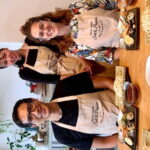
At the end, you eat the soba you made in an izakaya-style restaurant. This part is more important than it sounds. It’s where the lesson becomes a meal, and the meal becomes your memory.
A key detail: your soba is the focus. You’re not meant to turn it into a full-on dinner order spree. Additional foods or drinks you order aren’t included, so plan to keep it simple and let the soba be the main event.
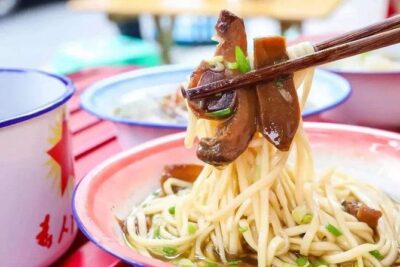
In my case, I got to compare hot and cold soba. The cold noodles had a strong buckwheat aroma. The hot noodles felt warm, comforting, and mellow. Even if you’re not a noodle nerd, you’ll feel the difference quickly because the temperature changes how the aroma and texture read in your mouth.
That hot vs. cold contrast is one of the best “taste lessons” you can get in Yokohama. It explains why soba culture isn’t just one standard bowl.
Price and Value: Is $88 Worth It
$88 per person is not a bargain-basement price. You should think of it as paying for skill, ingredients, and instruction—not just the meal.
Here’s the value equation that makes sense here:
- You get all necessary ingredients and equipment
- You get a soba master guiding the technique
- You get English-speaking support to keep things clear
- You get to eat the soba you made afterward
If you’ve ever taken a cooking class where you do a few steps, then watch someone else finish, this is different. You’re doing the real work: kneading, shaping, and cutting. That kind of hands-on time usually costs more, because it takes teacher attention and slow, careful setup.
Also, you’re getting something that many food souvenirs can’t do: a skill you can practice again later. Even if your noodles aren’t perfect the first time, you’ll understand the process well enough to improve.
So yes, it’s a splurge. But it’s a purposeful splurge.
Who Should Book This Yokohama Soba Workshop
This workshop is a great fit if you:
- Want a hands-on food experience in Japan, not a tasting tour
- Like learning technique you can repeat later
- Are curious about 100% buckwheat soba and how it differs from other noodles
- Can eat buckwheat (it’s gluten-free and suitable for vegetarians, as stated)
It’s also a good option if you’re traveling solo or as a couple. One of the strengths from prior experiences is that the group is small enough to ask questions and get help while you work. That makes the class feel personal instead of rushed.
It’s less ideal if you’re:
- Allergic to buckwheat flour
- Traveling with kids under 11 (not suitable)
- Using a wheelchair (not suitable for wheelchair users)
Practical Tips for a Smooth Class Day
A few details will help you avoid last-minute friction:
- You’ll be working with buckwheat flour, so come with the right expectations. It’s messy by nature.
- You should avoid joining if you have a buckwheat allergy. This is not a “maybe it’s fine” situation.
- Don’t bring things the class restricts: pets, baby strollers, bikes, baby carriages, chewing gum, and electric wheelchairs.
Plan your timing so you can arrive at Sakuragicho Station South Gate without stress. The directions are clear, and that clarity is part of what makes the experience work well.
Language is English and Japanese, and the support is designed so beginners can follow the steps with confidence. That’s especially useful if you don’t read Japanese noodle vocabulary.
Finally, if you like flexibility, you can book with pay later. That’s helpful when you’re still juggling train schedules and day plans.
Should You Book This Yokohama Soba Workshop?
Book it if you want a real skill in Yokohama, with a soba master and English support, plus a meal that tastes like your own effort. The combination is rare: technique, sensory ingredient work (that buckwheat aroma), and then an izakaya-style bowl at the end.
Skip it if buckwheat is a problem for you, or if accessibility needs make the class a poor fit. Also skip if you hate getting hands-on and don’t want any mess at all.
If you’re on the fence, here’s the simplest way to decide: if you’d rather learn how something is made than just buy it, this is the kind of workshop that rewards you.
FAQ
Where do I meet for the workshop?
You meet when you arrive at Sakuragicho Station, exiting from the South Gate.
How do I know I’m using the correct station exit?
Use the South Gate exit. Be careful not to exit from the North gate.
How long does it take to complete the soba?
The soba is completed in about 60 minutes.
What’s included in the price?
Included are the soba making lesson with a soba master, English-speaking guide support, all necessary ingredients and equipment, and enjoying your own made soba in an izakaya-style restaurant.
Are drinks or other foods included?
No. Only the soba noodles you made are included. Additional foods or drinks you order are not included.
Is 100% buckwheat soba gluten-free?
Yes. 100% buckwheat soba is described as gluten-free.
Is this workshop suitable for vegetarians?
Yes. It is stated to be suitable for vegetarians.
Is it okay if I have a buckwheat allergy?
No. Buckwheat flour is used, so you should not join if you have a buckwheat allergy.
Can I cancel and get a refund?
You can cancel up to 24 hours in advance for a full refund.
Who should not join due to age or mobility limits?
It’s not suitable for children under 11 years and not suitable for wheelchair users.